Whole home rewiring replaces old or unsafe wiring with new circuits that better fit the way a modern home uses power. An electrician first checks the wiring, panel, grounding, outlets, and electrical load. If a full rewire is needed, new wiring is then planned and installed throughout the home.
This can be a key concern in older Riverside neighborhoods. The Wood Streets, for example, have a strong 1920s character, and the City says nearly all homes there were built before World War II. Age alone does not mean a house needs rewiring, but older homes may have wiring from several periods hidden behind the walls.
What Is Whole Home Rewiring?
Whole home rewiring means replacing most or all of the old branch wiring that carries power through a house. New circuits are run to lights, outlets, switches, appliances, and other electrical points.
The work may also include grounding, new breakers, added outlets, or changes to the electrical panel. However, every project is different. A full panel replacement is not always part of a rewire.
The goal is to build an electrical system that fits the home’s present needs. It can also remove wiring or connections that an electrician finds damaged, unsafe, or no longer suitable.
A proper home rewire should start with an inspection. Replacing wires without first understanding the full system can lead to missed problems and extra work later.
Do All Older Riverside Homes Need Rewiring?
No. An older home does not need a whole house rewire just because of its age. The condition, type, and history of the electrical system matter more.
Many older Riverside homes have been updated over time. One room may have newer copper wiring, while another area may still have older wiring. A kitchen or addition may also have been rewired during a past remodel.
This is common in neighborhoods that have been around for many decades. Riverside says the Wood Streets developed mainly around the early 1900s and still show a strong 1920s design. Nearly all of the neighborhood’s homes were built before World War II.
An electrician should inspect the actual system before deciding if you need a full rewire or only repairs in certain areas.
What Signs May Point to Old or Unsafe Wiring?
You may want an electrician to check your wiring if you notice repeated electrical problems. Common signs include breakers that trip often, flickering lights, buzzing switches, warm outlets, burning smells, or outlets that no longer work.
Another clue is a home with very few outlets. Older houses were built before people used large TVs, computers, chargers, kitchen equipment, and many other electrical devices every day.
You may also find two-slot outlets with no ground. This does not by itself prove that the whole home must be rewired. It does show that the electrical system may need a closer look.
If several issues appear across different parts of the house, a full electrical check can help show if the problems are local or part of a larger wiring issue.
What Types of Old Wiring May Be Found in Riverside Homes?
Older homes can contain several types of wiring. What you find depends on when the home was built and what electrical work was done later.
A house from the 1920s does not always have its original electrical system. It may have been partly rewired in the 1950s, changed again in the 1970s, and updated in another remodel years later.
That is why rewiring an old house should begin with careful inspection instead of guesses based only on the year it was built.
Knob and Tube Wiring
Knob and tube is an older wiring method found in some early homes. It uses separate conductors supported by ceramic knobs and tubes.
The National Electrical Code has existed for well over a century, and NFPA’s history of the NEC includes early knob and tube wiring. Finding this type of wiring does not tell you everything about its condition.
An electrician should check how much of it remains, what has been changed, and what loads are connected to it. Problems can also occur when old systems have been changed by later owners or mixed with newer wiring.
If knob and tube wiring is present, do not cover, move, or alter it yourself.
Cloth-Covered Wiring
Some older homes may contain wiring with cloth-based outer covering or other older insulation materials.
Over many years, insulation can become dry, worn, or damaged. The condition can vary from one part of the home to another.
An electrician may need to check visible wiring at panels, boxes, attics, crawl spaces, or other safe access points. The goal is not to replace something only because it looks old. The electrician needs to judge its condition and how it is being used.
If old wiring is mixed with poor splices or damaged boxes, the need for repair may become more urgent.
Aluminum Wiring
Some homes may also contain aluminum branch wiring, often from later work or a past remodel rather than the home’s original build.
The U.S. Consumer Product Safety Commission warns that some aluminum wiring connections in older homes can create a fire risk. CPSC has documented overheating and failed connections linked to certain aluminum wiring systems.
Finding aluminum wiring does not mean you should start removing it yourself. The correct next step is a professional check.
An electrician can identify the wiring type and decide what repair or replacement method fits the condition found.
Ungrounded Outlets
Older electrical systems may have outlets that do not provide modern equipment grounding.
You may notice two-slot outlets instead of three-slot outlets. You may also find newer-looking three-slot outlets on circuits where the grounding setup is not clear.
Do not assume that changing the outlet face solves the problem. The wiring and grounding behind it still need to be checked.
During house rewiring, an electrician can plan new grounded circuits where needed. This can also be a good time to place outlets where they better fit how the rooms are used today.
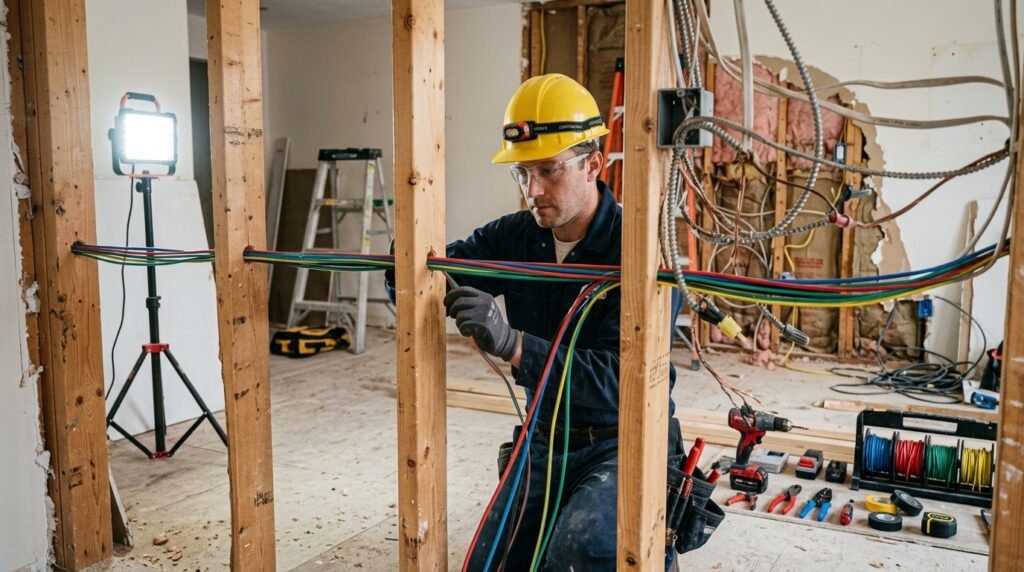
What Happens During a Whole House Rewire?
A whole house rewiring project normally follows several stages. The exact order depends on the house, access, electrical system, and any remodeling work happening at the same time.
Older Riverside homes can need more planning because walls, trim, flooring, and other parts of the house may be worth protecting. The goal should be to complete the electrical work while avoiding damage that is not needed.
Here is what owners can usually expect.
Step 1: Inspect the Existing Electrical System
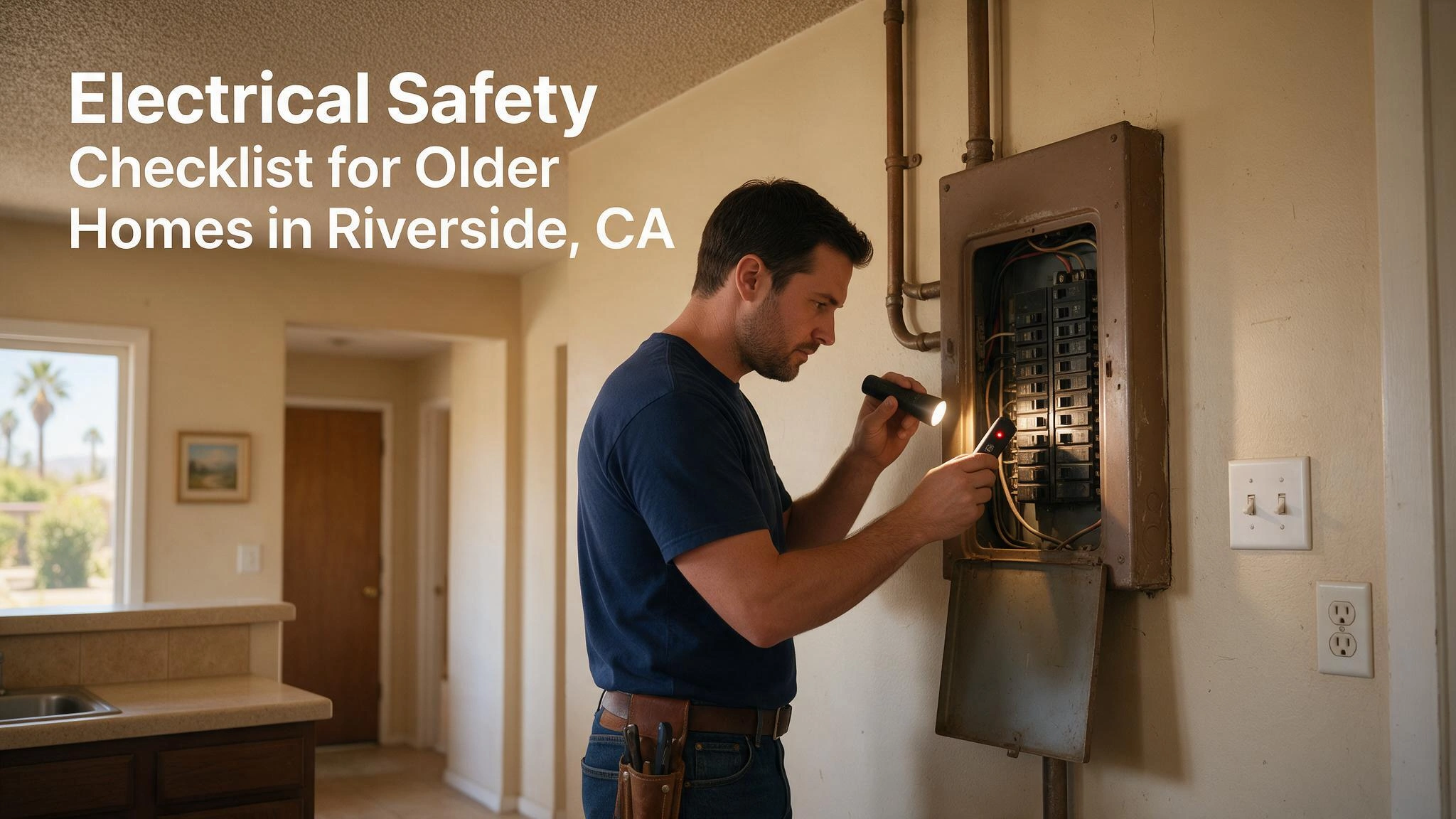
The electrician first needs to understand what is already in the home.
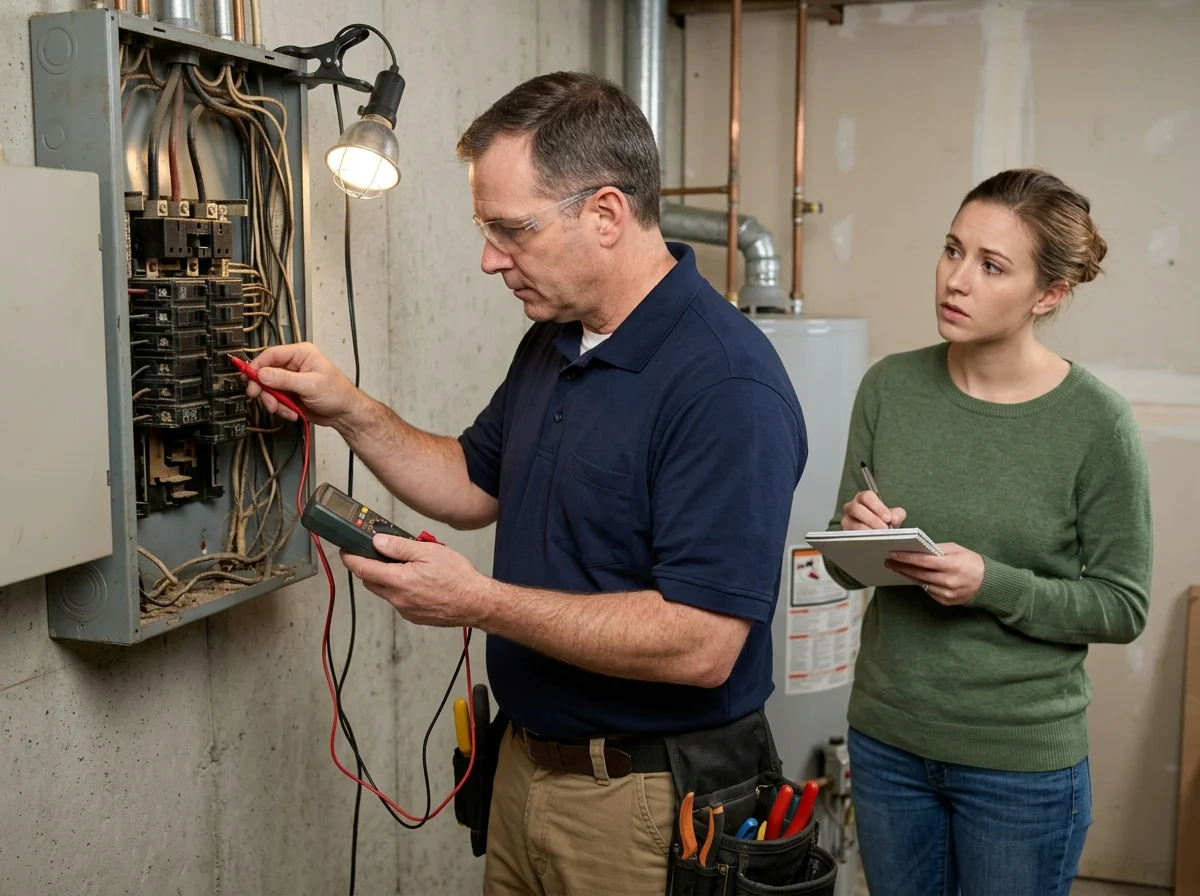
This can include the panel, breakers, accessible wiring, grounding, outlets, switches, major appliances, and signs of past electrical work. The electrician may also ask about problems you have noticed.
This step helps answer a key question: does the house really need a full rewire?
Sometimes only part of the system needs work. In other homes, old wiring may be found across enough of the property that a full home rewiring plan makes more sense.
Step 2: Plan the New Circuits
The next step is deciding where the new electrical circuits need to go.
A modern home may need separate circuits for the kitchen, laundry area, HVAC equipment, garage, home office, or other higher-use areas. The plan should also consider lights, outlets, switches, and future electrical needs.
This is a good time to think about how the home is actually used.
For example, adding useful outlet locations during the rewire may be easier than opening walls again later. The electrician can also plan around any future EV charger, electric appliance, or other planned upgrade.
Step 3: Check the Electrical Panel
The electrical panel must work with the new wiring and expected home load.
A full rewire does not always mean the panel must be replaced. A newer panel with enough capacity and space may still work well with the project.
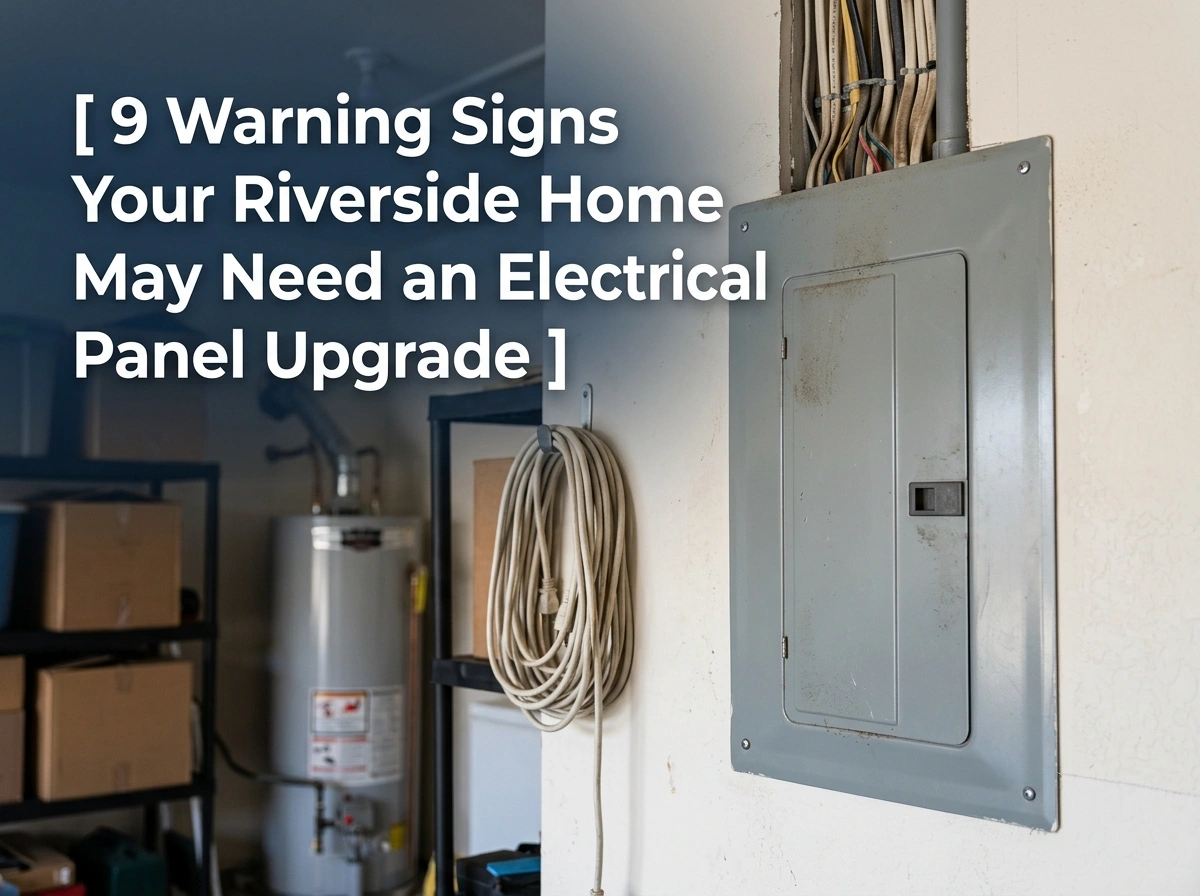
An older or limited panel may need more work. The electrician should check the condition, capacity, breaker space, and electrical load before making that decision.
For Riverside homeowners who need a wider electrical review, our residential electrician service covers wiring, panels, circuits, and other home electrical needs.
Step 4: Create Safe Access for New Wiring
Running new wires often requires access inside walls and ceilings.
This part worries many owners of historic homes. They may picture every wall being removed. That is not always needed.
Electricians can often use attics, crawl spaces, basements, existing openings, and small wall access points to reach parts of the home. The best method depends on how the house was built.
Homes with plaster walls may need more care than homes with modern drywall. The electrician should plan wire paths before cutting openings so damage can be kept as limited as practical.
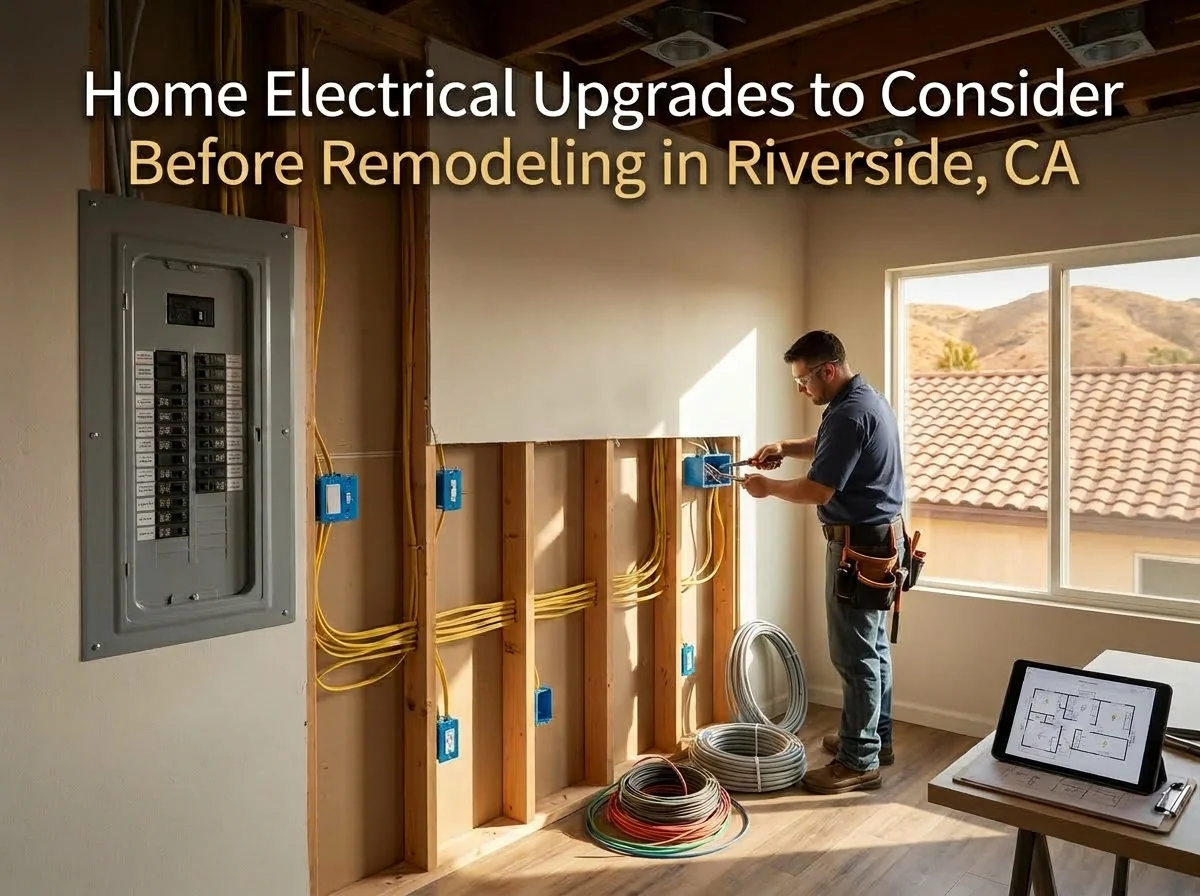
Step 5: Install New Wiring, Outlets, and Switches
Once access is ready, the electrician can run the new wiring.
Old circuits may be taken out of use as new circuits are connected. New boxes, outlets, switches, and other electrical parts may also be added as part of the project.
The work should follow the approved project plan and the electrical rules that apply to the job.
California’s current 2025 Building Standards Code became effective on January 1, 2026. Part 3 is the California Electrical Code.
The National Electrical Code also serves as a main safety standard for electrical design and installation.
Step 6: Complete Inspection and Finish Work
Electrical work may need to remain open until required inspections are complete.
The City of Riverside provides an online permit system where permit applications can be sent, plans can be uploaded, and inspection results can be tracked. Riverside permit records also show residential projects that include both electrical panel upgrades and rewiring work.
Once the electrical work passes the needed inspections, wall openings can be repaired.
For plaster homes, owners may want the patching work to match the existing wall finish as closely as possible.
Do You Have to Remove All the Walls to Rewire an Old House?
Usually not. Rewiring a house often needs some wall and ceiling access, but that does not mean every wall must be torn open.
Electricians first look for easier paths through attics, crawl spaces, cabinets, closets, basements, or existing openings. Small access holes may then be made where the wire cannot reach another way.
The amount of cutting depends on the way the home was built.
Older Riverside homes can have plaster walls, tight framing, added rooms, or past remodels that make wire routes harder to reach. Planning those routes before work starts can help reduce unnecessary damage.
Ask your electrician how they plan to reach each area before the project begins.
What Should Owners of Historic Riverside Homes Consider?
Historic character should be part of the planning when rewiring your home.
The Wood Streets are a good example. The City describes the neighborhood as having a strong 1920s feel with many early architectural styles and nearly all homes built before World War II.
Original plaster, wood trim, built-in cabinets, and other details may be important to the look of the house. Electrical access should be planned with those features in mind.
Tell the electrician which parts of the home you want to protect before work starts. If the property has a formal historic designation or is part of a preservation program, owners should also check with the City before planning work that could affect protected parts of the property.
The goal is to improve the electrical system without taking away the features that give the home its character.
Does Whole Home Rewiring Include a Panel Upgrade?
Not always. The panel and the wiring are related, but they are not the same thing.
An electrician may find that the panel is newer and has enough capacity for the new circuits. In that case, replacing it may not be needed.
Another house may have a panel that is too small, damaged, crowded, or not suited to the planned electrical load.
The answer should come from the panel condition and a load review, not from the age of the house alone.
This is also why it helps to plan large future loads before the rewire. If you expect to add an EV charger, electric range, heat pump, or other equipment, tell the electrician during the planning stage.
Does a Whole Home Rewire Need a Permit in Riverside?
Major electrical rewiring should be planned with City permit and inspection rules in mind.
The City of Riverside’s Building and Safety system handles permit applications and inspections. Its records include residential electrical permits for rewiring and service upgrades.
The exact permit needs depend on the work being done. A small repair and a full whole house rewire are not the same type of project.
For a closer look at local requirements, read our guide to electrical permits in Riverside.
Your electrician should confirm what permits and inspections apply before major work begins.
Can You Stay in Your Home During Rewiring?
Sometimes, but it depends on the project.
Parts of the home may lose power while circuits are being replaced. Electricians may also need access to bedrooms, kitchens, closets, attics, and other areas during the work.
A smaller or phased project may allow the family to stay in the house more easily. A large whole home rewiring project can create more dust, noise, wall access, and power shutoffs.
Ask the electrician how the work will be divided before it starts. Knowing which rooms will be affected can help you plan work, meals, pets, children, and daily routines.
There is no single answer that fits every home because access and project size can vary greatly.
Should You Rewire Before a Home Renovation?
Often, yes. If you already know the home needs major electrical work, completing it during a renovation can make sense.
Walls may already be open for a kitchen, bathroom, or other remodel. That can give the electrician easier access and may reduce the need to open finished surfaces later.
It also lets you plan new lighting, outlets, switches, and appliance circuits at the same time.
However, do not start removing old wiring just because the walls are open. The electrical system should still be inspected and planned first.
Good coordination between the electrician and other trades can make the work smoother and help avoid having one contractor undo another contractor’s finished work.
Frequently Asked Questions About Whole Home Rewiring
How do I know if my old house needs rewiring?
Warning signs can include repeated breaker trips, warm outlets, burning smells, flickering lights, damaged wiring, old wiring methods, or electrical problems in several rooms. An electrician should inspect the system before deciding if you need a full home rewire.
Does knob and tube wiring mean the whole house must be rewired?
Not automatically. The electrician needs to find out how much knob and tube remains, what condition it is in, and how later electrical work connects to it. The full system should be checked before deciding on the right scope.
Can a house be rewired without destroying plaster walls?
Often, much of the wiring can be run through attics, crawl spaces, existing openings, and small access holes. Some wall openings may still be needed. Older plaster homes usually need careful planning to keep damage as limited as practical.
Does whole home rewiring include new outlets?
It can. A rewire is a good time to review outlet and switch locations because new circuits are already being installed. The final layout should be planned around the rooms and how the home is used.
Do I need a new panel when rewiring an old house?
Not always. If the existing panel is in good condition and has enough capacity, it may be able to stay. An electrician should check the panel and electrical load before recommending an upgrade.
Is old aluminum wiring dangerous?
CPSC warns that certain aluminum branch wiring connections can overheat and create a fire risk. If aluminum wiring is found, have a qualified electrician assess it rather than trying to repair the connections yourself.
Plan Whole Home Rewiring for Your Riverside Home
Whole home rewiring is not simply about replacing old wires. It starts with finding out what wiring is present, what condition it is in, and what the home needs today. From there, an electrician can plan new circuits, wall access, grounding, outlets, panel work, permits, and inspections.
That careful approach matters in Riverside, where areas such as the Wood Streets include many homes built before World War II. Older character and modern electrical needs can work together when the project is planned well.
Fowles Electric serves homeowners throughout Riverside and the Inland Empire. You can also visit the Fowles Electric homepage or contact Fowles Electric to discuss wiring concerns in an older Riverside home.