While older residences can certainly be very charming, their electrical infrastructure may not be up to handling today’s appliances, electronics, air conditioning, and charging for electric vehicles. However, it’s not true that all older homes are wired poorly. It does mean certain components deserve closer attention.
A practical electrical safety checklist for older homes can help Riverside homeowners spot warning signs before they become costly repairs or safety hazards. Here is what to check, what deserves professional attention, and when an electrical upgrade may be necessary.
Why Older Riverside Homes Need a Closer Electrical Look
There are a lot of well-established neighborhoods at Riverside that are decades old. Over time, owners may have added new appliances, remodeled rooms, converted garages, or installed equipment that places more demand on circuits than the original system was designed to handle. Age alone does not determine safety. The larger issues are dated components, substandard repairs, improper grounding, and overloaded circuits.
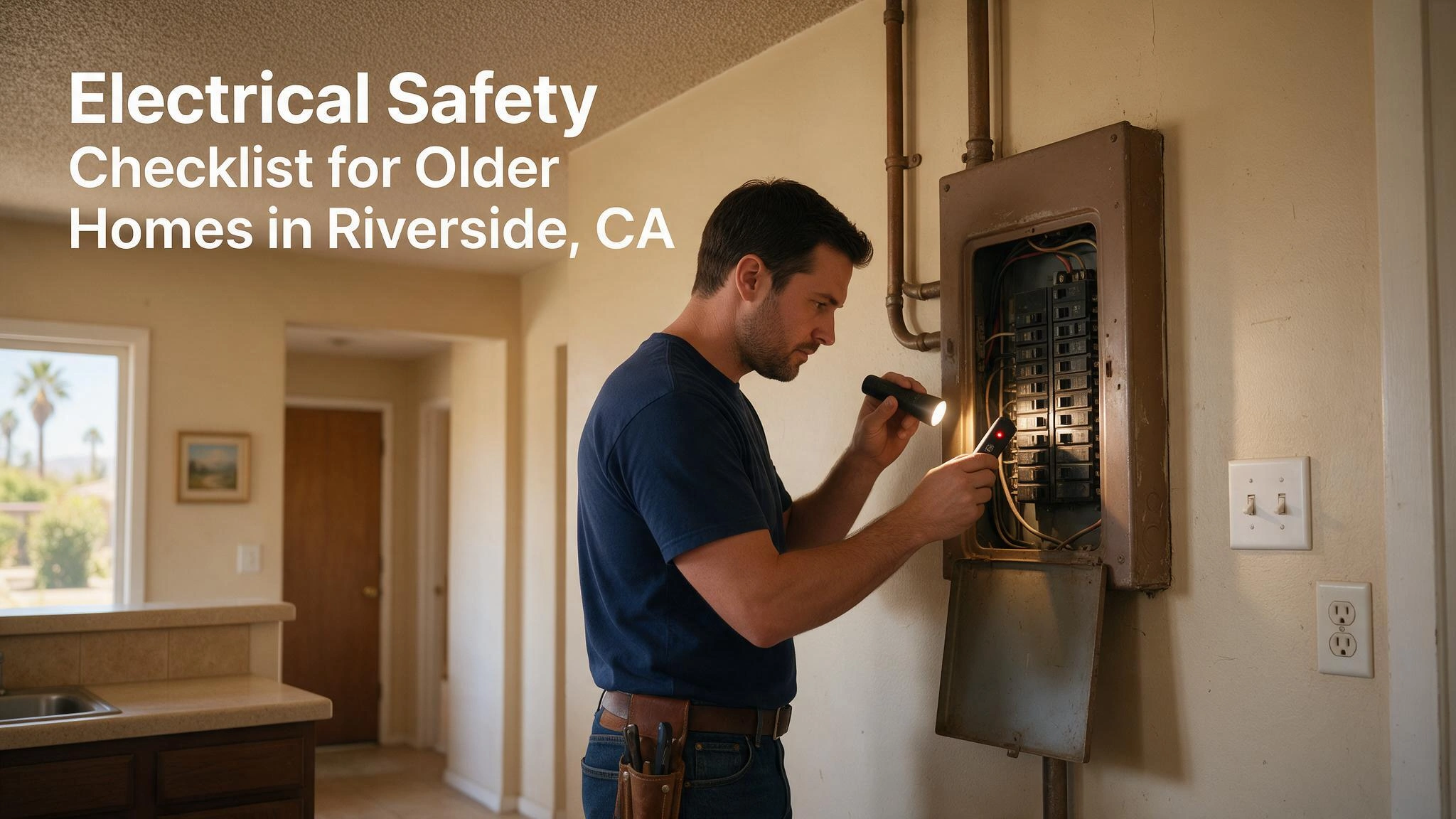
An older home electrical inspection can reveal problems that are not obvious during normal daily use. A professional residential electrical service can help homeowners evaluate outdated wiring, overloaded circuits, grounding issues, and electrical equipment that may no longer meet their home’s needs.
Your Electrical Safety Checklist for Older Homes
This checklist is intended to be used as a screening guide and should not be used as a replacement for professional testing. There are some electrical issues that fall within walls, junction boxes, panels, or service pieces.
Check the Electrical Panel
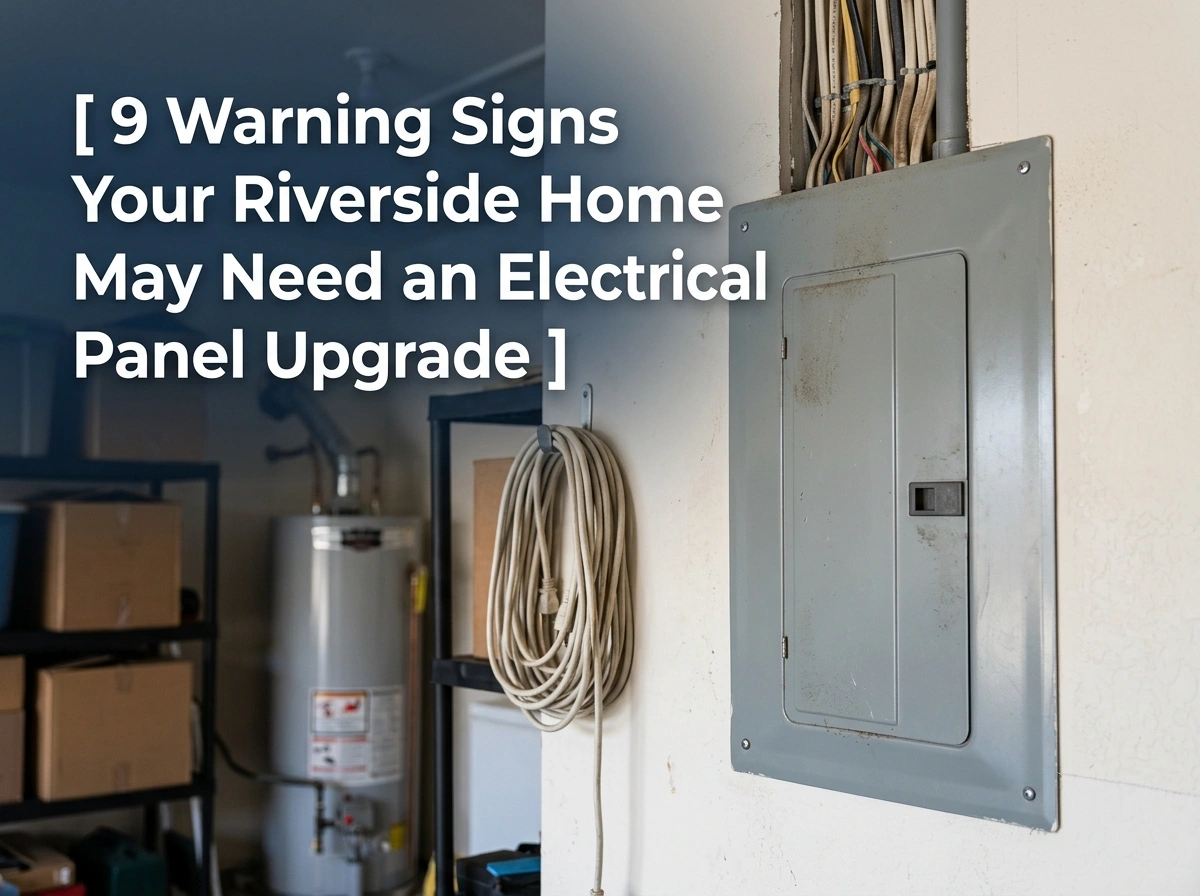
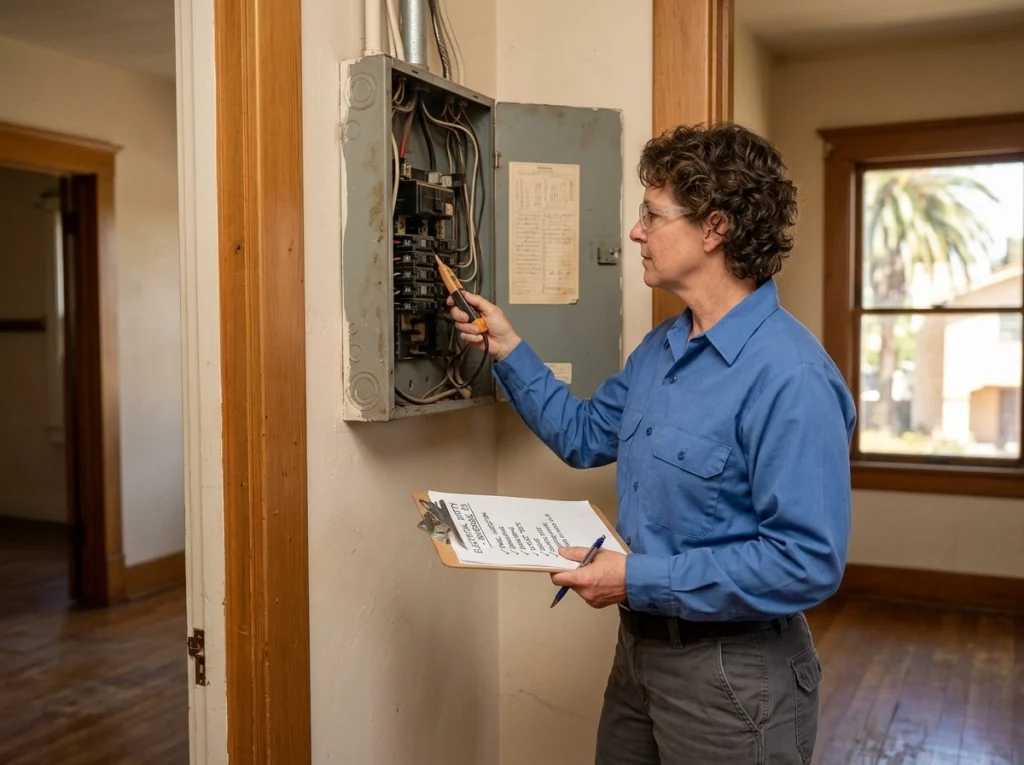
Check the panel for visible issues like rust, scorching, cover problems, loose breakers, unusual noises, or a burning smell. Be sure to check if the panel is outdated or has changed over the years.
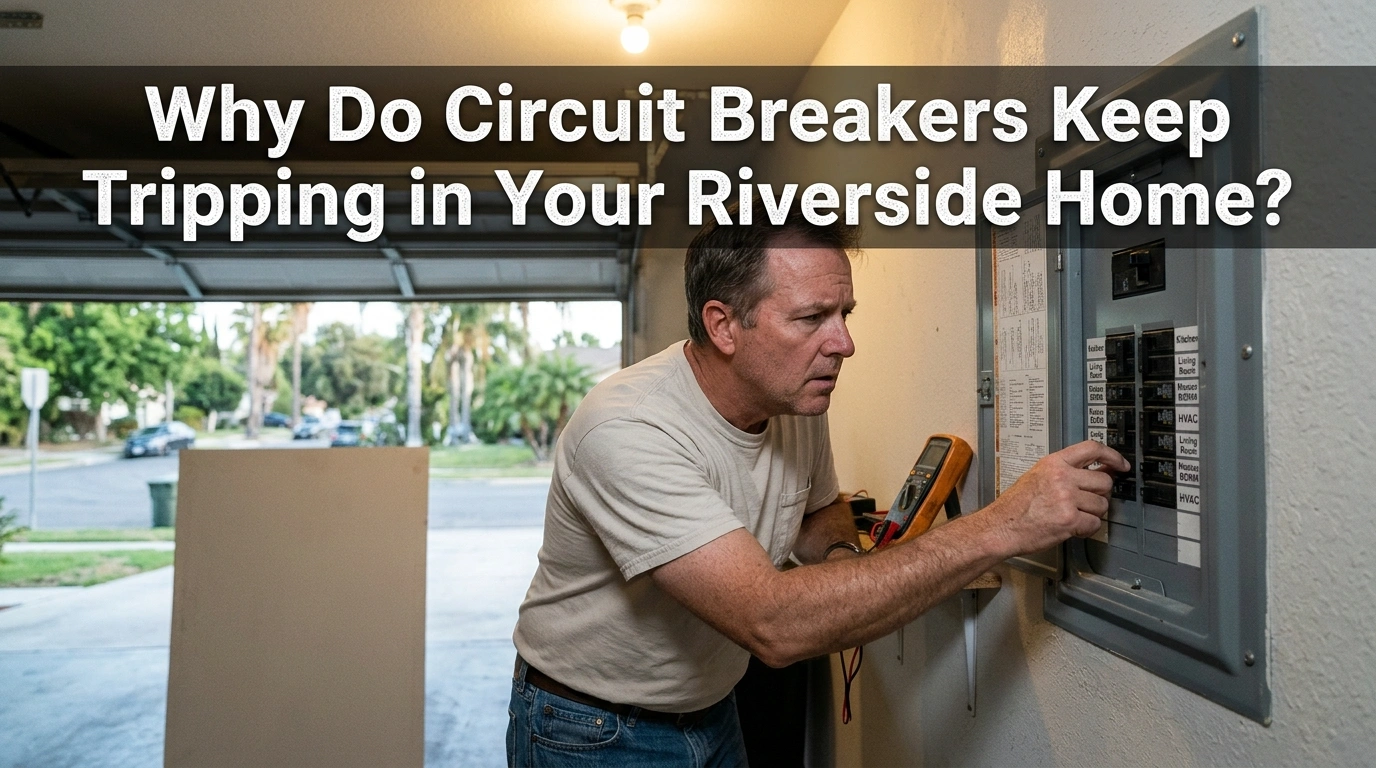
If breakers trip often, they may be overloaded, the breaker may be damaged, the wiring may be damaged, or there may be other electrical problems. Do not simply replace a breaker with one of a higher rating to stop the trips.
Inspect Outlets and Switches
Damaged electric outlets can be a shock and fire hazard. Check for outlets that are warm, spark, buzz, give off odors, feel loose, or show stains. Two-prong outlets also may mean older wiring doesn’t have a modern equipment grounding path. Do not assume a three-prong adapter makes an ungrounded outlet safe. A pro will be able to decide if rewiring, a good grounding, or some other correction is necessary.
Look for Damaged Wiring
Inspect accessible cords and wiring for any cracks in insulation, exposed copper, frayed areas, scorch marks, or loose connections. Watch for cords being pinched or damaged near appliances, in garages, and in attics.
Do not open electrical boxes to inspect concealed connections yourself. An old house wiring inspection can identify problems that a visual walk-through cannot.
Watch for Legacy Wiring
Two types of older wiring deserve particular attention: knob-and-tube wiring and aluminum wiring. The presence of these does not necessarily indicate that the entire electrical system is unsafe, but each must be evaluated.
In older construction, a knob-and-tube wiring system may not have all the features that are expected of a modern wiring system. Some houses were constructed with aluminum branch circuit wiring in the mid-20th century and may also need a professional assessment, as connections can fail.
If you are not familiar with the type of wiring that your Riverside home is using, have a licensed electrician determine if it requires replacement prior to assuming that it does.
Room-by-Room Safety Checks
Different rooms create different electrical risks.
Kitchen: Ensure that outlets are properly protected by GFCI in the kitchen. Don’t overload an outlet or circuit with a lot of high-demand appliances.
Bathrooms: GFCI protection is particularly critical around water. Avoid using cords or portable electrical devices near sinks and tubs, and check out outlets that trip easily.
Bedrooms and living areas: Check for overloaded power strips, damaged cords, loose outlets, and extension cords that are used as permanent wiring. Ensure portable heaters are not near curtains, furniture, or flammable substances.
Garage and exterior: Check outlets and cords for moisture damage or exposure. The outdoor electrical equipment should be equipped with proper environmental protection.
These simple checks support residential electrical safety that Riverside homeowners can practice between professional inspections.
Do GFCI and AFCI Protection Need Attention?
An older electrical system might not have the same protection devices installed as a newer system. GFCI devices are designed to eliminate the ground fault shock hazard in places where electricity and water can come in contact.
AFCI protection will protect against some of the conditions that can cause dangerous arcing in wiring. It will depend on the circuit, equipment, and existing installations, and upon code requirements.
A professional electrical safety inspection in Riverside, CA, can identify the protection your system currently requires and whether there are other issues that need to be addressed first.
Signs Your Electrical System Needs Professional Attention
Some warning signs should move an inspection higher on your list. They can indicate electrical hazards in older homes that should not wait for routine maintenance.
Look out for:
- Repeated breaker trips or circuits that shut off unexpectedly
- Flickering or dimming lights
- Warm, buzzing, or discolored outlets
- Burning smells or scorch marks
- Shocks or tingling from appliances or electrical components
- Exposed, frayed, or damaged wires
- A panel that shows rust, heat damage, or unusual noise
- Extension cords used to supply permanent electrical loads
In the event of smoke, active sparking, or indications of fire, get out of the fire area and call for emergency help. Never investigate energized equipment without the help of an electrician.
When Should You Schedule an Older Home Electrical Inspection?
No single age is the standard at which all houses need to be rewired. But inspection is worthwhile when no history of electrical work can be found, and in the event of warning indications of the system.
If you’re thinking about buying an older home, major renovations, expensive additions or equipment, or if you have some electrical problems you don’t understand, consider an electrical inspection of your house.
The inspection should include the electrical panel, service entrance, accessible wiring, outlets, switches, the grounding system, and other related items. During a home electrical inspection, Riverside homeowners can ask questions about any outdated components and which repairs deserve priority.
During an older home electrical inspection, homeowners can also ask Fowles Electric Inc about concerns they have noticed, such as repeated breaker trips, aging wiring, or an outdated panel.
Electrical Code Compliance Is Not the Same as Safety
A lot of older homes still have wiring and electrical systems that were allowed under previous versions of the electrical code. Just because something doesn’t meet today’s standards doesn’t mean it’s unsafe.
At the same time, later alterations may need to meet current requirements, and unsafe conditions still need correction. Understanding electrical code compliance and Riverside requirements becomes especially important during remodeling or when electrical work has been added over the years.
This distinction matters because original construction and later modifications may have different compliance considerations.
Frequently Asked Questions
How often should an older home have an electrical inspection?
There’s no exact schedule that fits every older house. An inspection is smart if you don’t know the home’s electrical history, if you’re about to start a major renovation, after a big electrical upgrade, or whenever you notice warning signs. You can also ask a licensed electrician to recommend how often you should schedule visits based on the system’s age and overall condition.
Should I replace knob-and-tube wiring immediately?
Not automatically. Knob-and-tube wiring needs a professional’s eye to check its condition, whether it’s been altered, how it’s insulated, and if it can safely handle the home’s current electrical load. Some setups need replacement, but others might only need targeted fixes. Your electrician can lay out what’s safest for your house.
Are two-prong outlets unsafe?
Two-prong outlets aren’t faulty by default, but they usually mean there’s no grounding conductor present in that circuit. You shouldn’t count on an adapter for grounding. Have an electrician check the circuit so you can choose the best solution for your home’s wiring.
Does an older electrical panel always need replacement?
No. You can’t judge by age alone. The real question is whether the panel is in good shape, can handle your power needs, and has the right safety features. An electrician will take a look at its capacity, check for issues, and recommend whether you just need repairs, a new panel, or a bigger upgrade.
Final Thoughts: Protecting Your Riverside Home
Just because your home isn’t new doesn’t mean the wiring is dangerous. That said, old wires, overloaded circuits, loose connections, and aging panels are things you shouldn’t ignore. Start with an electrical safety checklist so you know where you stand, and schedule a professional inspection to catch trouble you can’t spot yourself.
If you’re a Riverside homeowner and you want an expert opinion on older electrical systems, Fowles Electric Inc can help you identify problems and prioritize what repairs or upgrades matter most. Taking care of things now cuts electrical risks and gives you more peace of mind for years to come.