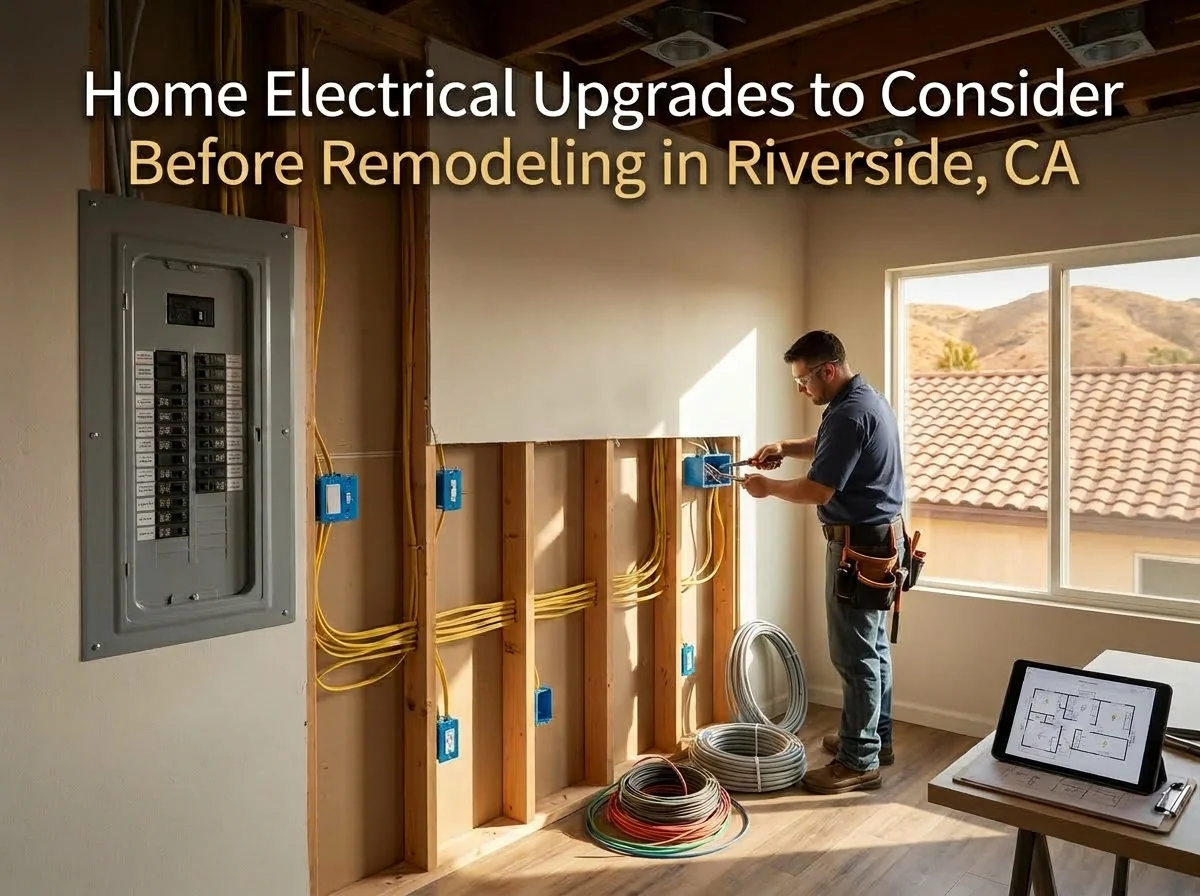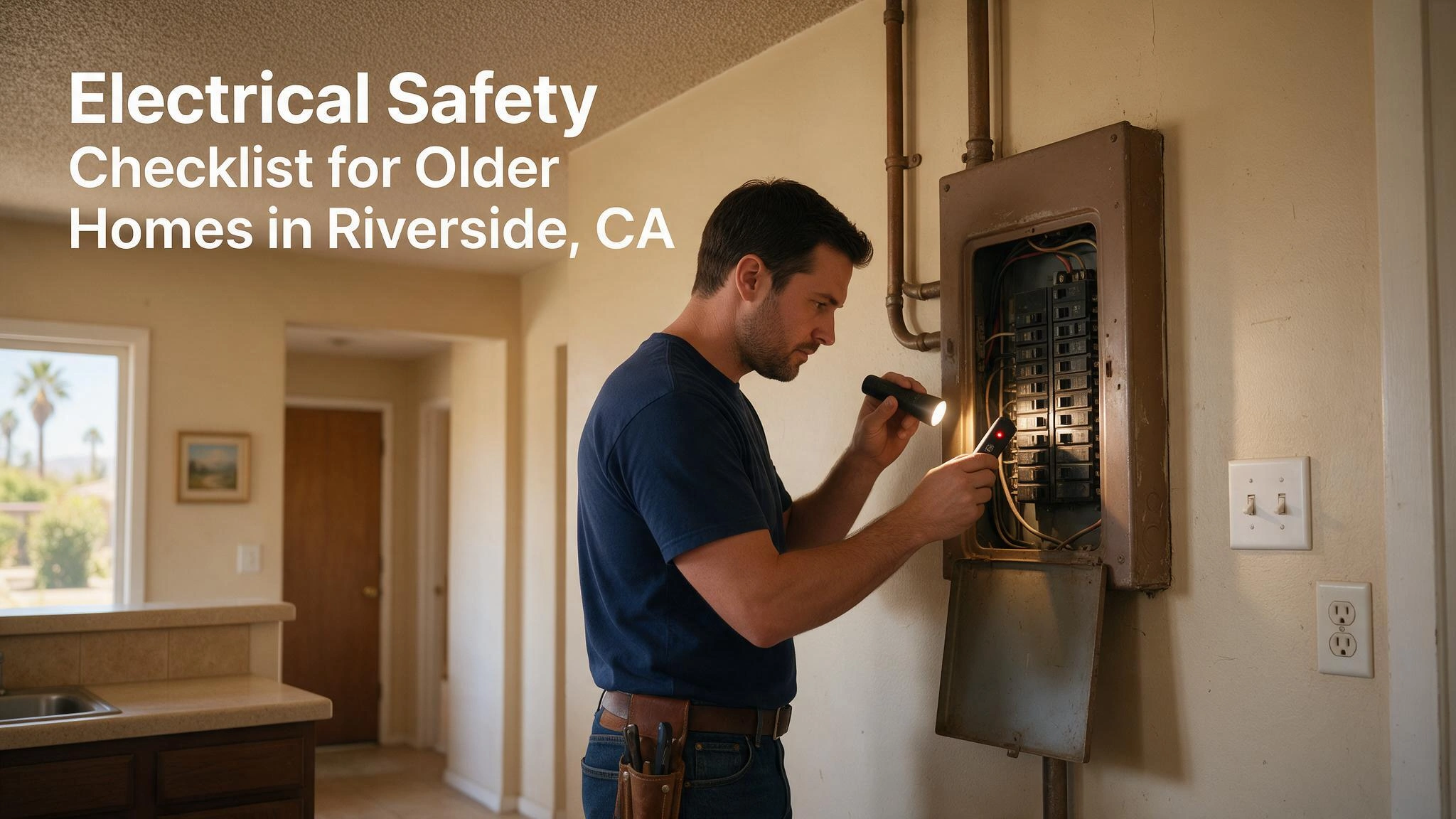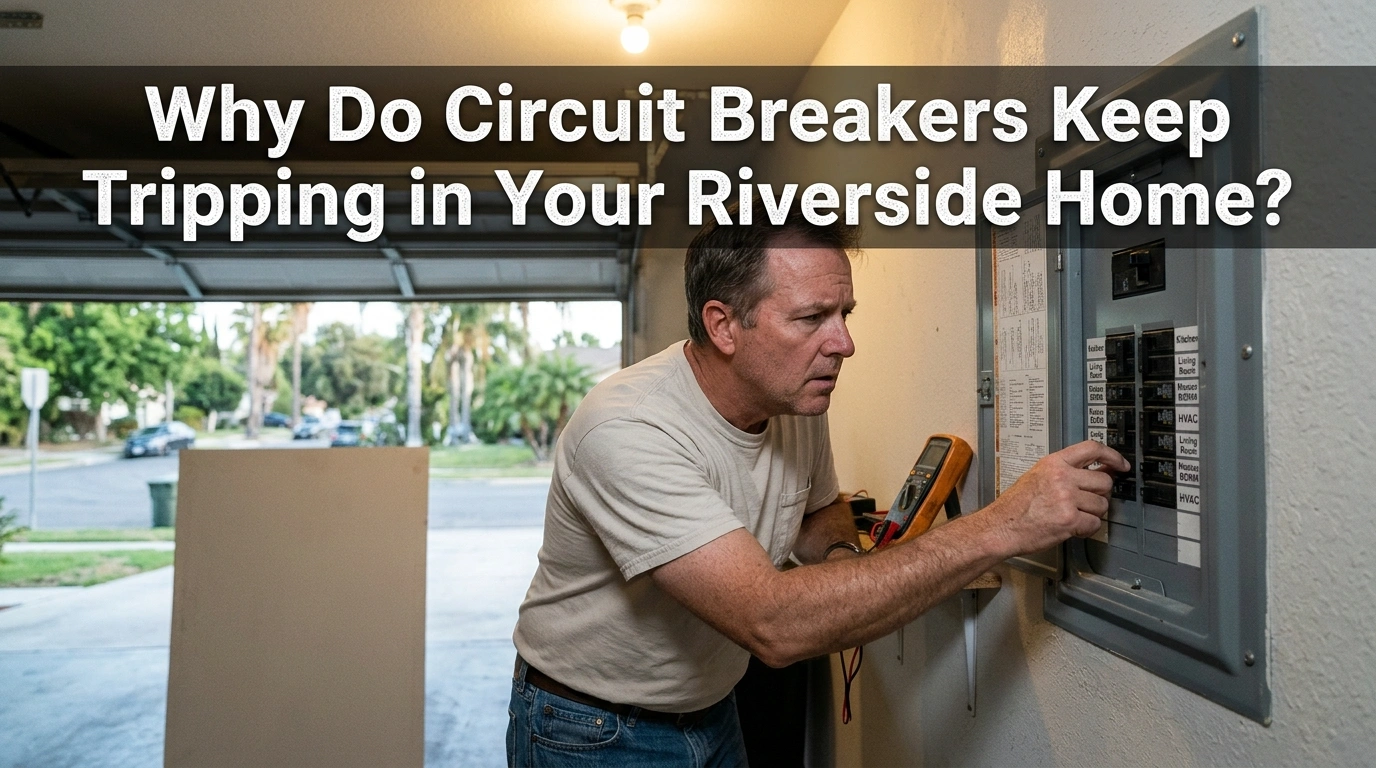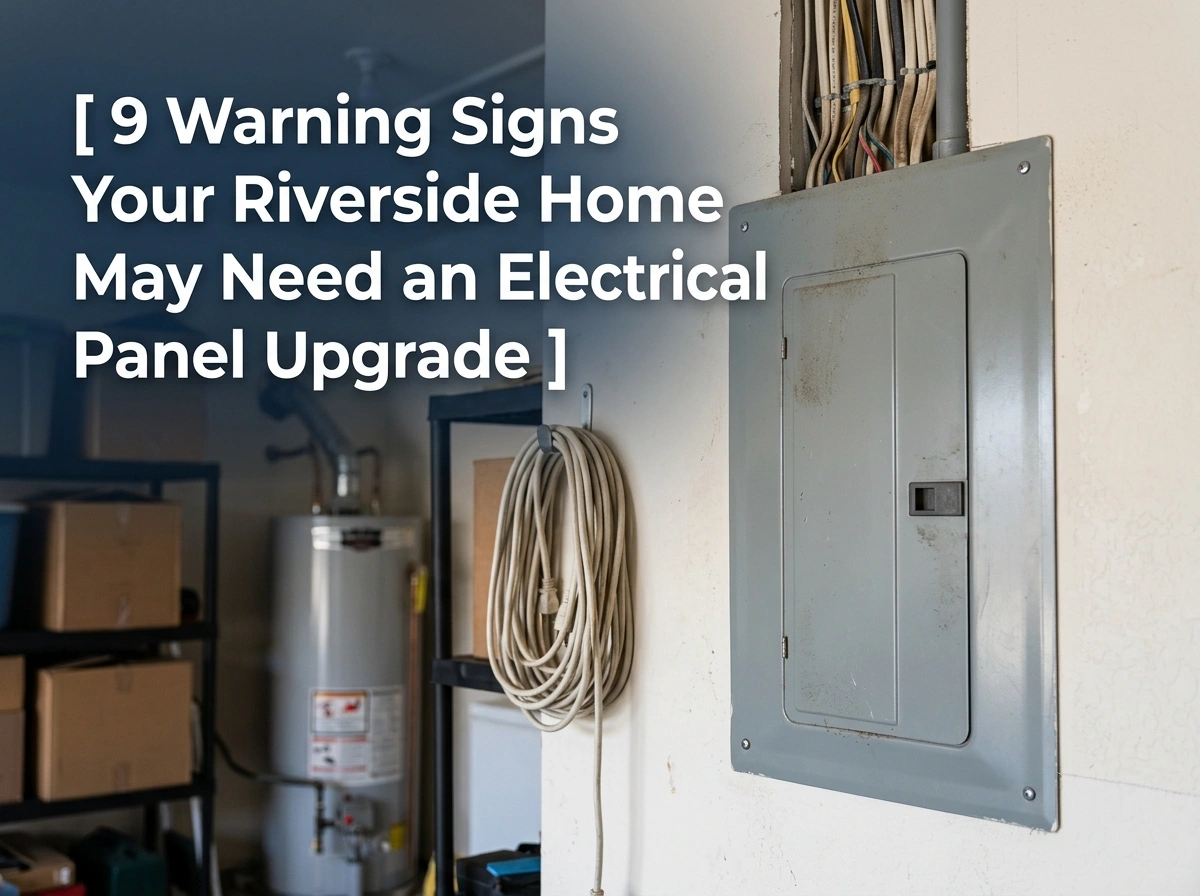
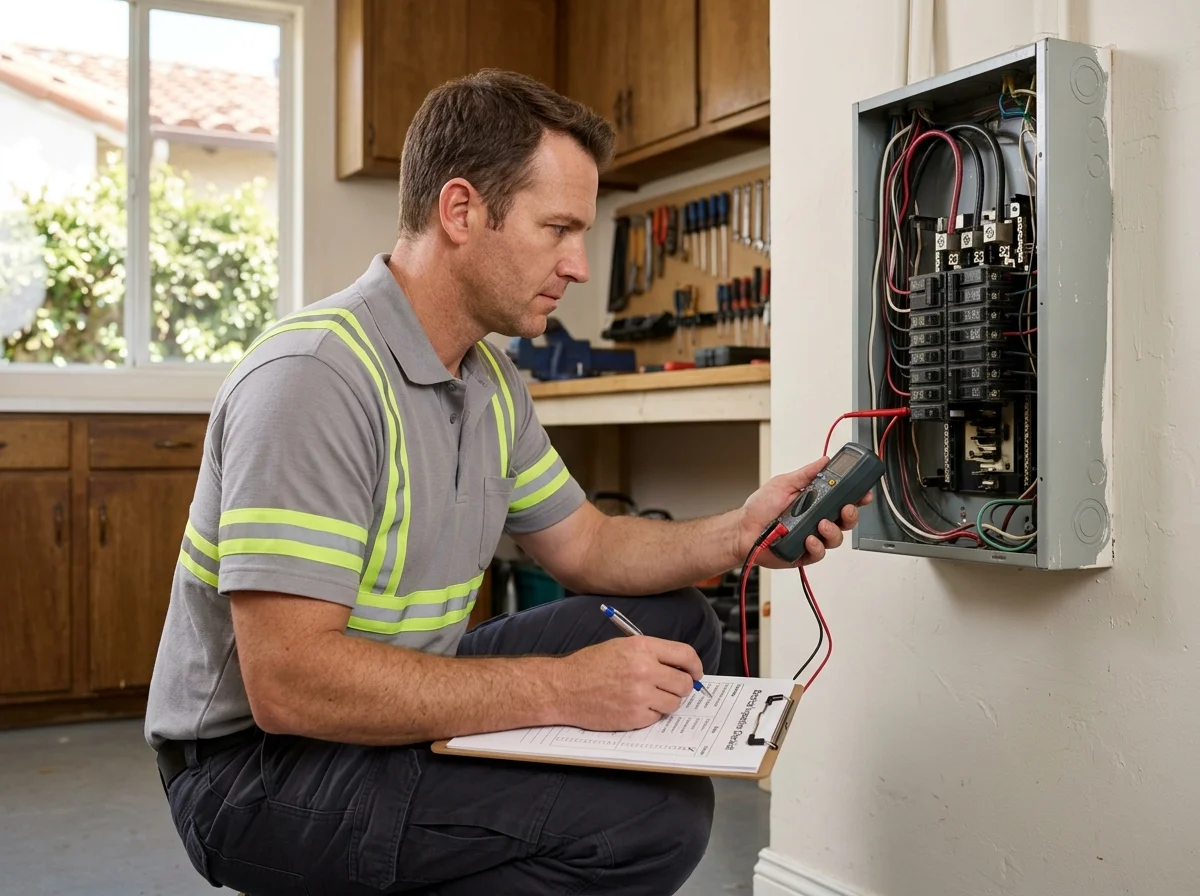
A home electrical inspection checks the safety and condition of your home’s electrical system. An electrician looks at the panel, breakers, wiring, outlets, switches, grounding, and safety devices. The goal is to find problems before they lead to shocks, power loss, damaged equipment, or a possible fire risk.
An inspection can help when you buy an older home, plan a remodel, add new electrical equipment, or notice warning signs. Redlands has both older and newer homes. Because of this, electrical systems can be very different from one property to another. Knowing what an electrician checks can help you make safer choices for your home.
What Is a Home Electrical Inspection?
A home electrical inspection is a close look at the main parts of your electrical system. A licensed electrician checks for damaged parts, unsafe wiring, loose connections, overloaded circuits, and other problems that may need repair.
The electrician does more than see if your lights and outlets work. A device may still have power even when there is a safety problem behind it. The inspection looks at the condition of the system, not only whether electricity is flowing.
A residential electrical inspection can also help you understand if your current system is ready for future changes. This may include a remodel, a new appliance, an EV charger, or other electrical work.
What Does an Electrician Check During a Home Electrical Inspection?
A whole home electrical inspection covers the main electrical parts that can be safely reached and checked. The exact work may change based on your home’s age, layout, and electrical setup.
The electrician will also pay attention to any problems you have noticed. These may include flickering lights, hot outlets, breaker trips, buzzing sounds, or areas that lose power.
Here are some of the main things that may be checked.
Electrical Panel and Circuit Breakers
The electrical panel is one of the first places an electrician may check. It sends power to the different circuits in your home. A problem in the panel can affect many rooms or devices.
The electrician may check the panel for visible damage, heat marks, loose parts, poor labels, damaged breakers, or signs of past electrical work. The condition of the panel can also give clues about the age of the system.
Breakers should not keep tripping without a reason. One trip may happen after too many devices are used at once. If it happens often, the circuit may need to be checked.
If your panel has problems, you can also read our guide on electrical panel repair vs. replacement.
Wiring and Electrical Connections
An electrical wiring inspection looks for visible problems with wires and connections. The electrician may find damaged wire covers, loose connections, poor splices, exposed wires, or signs of old repairs.
Older homes can have several types of wiring. Parts of the system may have been changed during repairs or remodels. Other parts may still be much older.
Redlands has many older homes, including Craftsman, Victorian, and bungalow-style properties. An older home is not unsafe just because of its age. Still, the wiring may deserve a closer look if its repair history is not clear.
A professional inspection helps you learn what is actually there instead of guessing based only on the age of the house.
Outlets and Switches
Outlets and switches are used every day, so they can show early signs of electrical trouble. During an electrical house inspection, an electrician may check for loose outlets, broken covers, heat, dark marks, poor connections, or grounding problems.
You should also tell the electrician about outlets or switches that feel warm, make noise, smell burnt, or stop working at times.
An outlet that powers a lamp is not always in good condition. There may still be a loose or damaged connection behind the wall. A close inspection can help find these issues before they get worse.
GFCI and AFCI Protection
An electrician may also check safety devices such as GFCI and AFCI protection.
GFCI outlets are often used in places where water may be nearby. They can quickly cut power when certain electrical faults happen. This helps lower the risk of electric shock.
AFCI protection helps detect some dangerous electrical arcs. An arc can happen when electricity jumps across a bad or loose connection.
The type of protection needed depends on the home, the circuit, past work, and current rules. An electrician can explain what protection your home has and whether any part of the system needs more attention.
Grounding
Grounding is another key part of an electrical system. It gives unwanted electrical current a safer path to travel.
An electrician may check visible parts of the grounding system and look for signs of missing or poor connections. Grounding problems may not always cause a clear warning sign, which is why they can be easy for a homeowner to miss.
The type of grounding used can depend on the age and design of the home. A professional inspection can help show whether there are concerns that need further work.
When Should You Get a Home Electrical Inspection?
You may need an electrical inspection when something changes in your home or when you notice signs of electrical trouble. You do not have to wait for a major failure.
An inspection can also be useful before you spend money on a new electrical project. It helps you understand the current system first.
Here are some common times when an inspection may make sense.
When Buying an Older Home
Buying a home is a major step. If the house is older, an electrical home inspection can give you more details about the panel, wiring, outlets, and other electrical parts.
A normal home inspector may point out clear electrical issues. However, a licensed electrician can take a closer look when there are signs of a problem.
This can be helpful in Redlands because many local homes were built in different time periods. Some may have had several electrical upgrades over the years.
An inspection can help you understand which items need fast action and which ones can be planned for later.
When Breakers Keep Tripping
A breaker that keeps tripping needs attention. Resetting it again and again does not fix the cause.
The problem may come from too many devices on one circuit, damaged equipment, wiring trouble, or another fault. An electrician can test the circuit and find out what is happening.
If the issue only affects one part of the home, the electrician may focus on that area first. If several circuits have problems, a wider inspection may be a better choice.
For help with these types of problems, Fowles Electric also provides residential electrical services.
When Lights Flicker or Outlets Feel Warm
Flickering lights can happen for simple reasons, but they should not be ignored if the problem keeps coming back. The same is true for warm outlets, buzzing switches, dark marks, or burning smells.
These signs may point to a loose connection, worn part, bad device, or another electrical problem.
Do not open outlets, switches, or your electrical panel to look for the cause yourself. Electrical parts can stay dangerous even when the problem seems small.
A licensed electrician can check the area safely and decide if the issue affects one circuit or a larger part of the home.
Before Adding New Electrical Equipment
It can be smart to inspect your electrical system before adding equipment that uses a lot of power.
This may include an EV charger, electric range, new HVAC unit, hot tub, large kitchen appliance, or major home addition.
The electrician can check your panel, circuit space, wiring, and current electrical load. This helps show if the existing system can support the new equipment.
Checking first can also help prevent problems after the new device is installed. You will know if other electrical work should be done before the project moves forward.
Is an Electrical Inspection Different From a Home Inspection?
Yes. A normal home inspection looks at many parts of a property. An electrical inspection focuses only on the electrical system.
A home inspector may check basic items and point out visible concerns. They may then suggest that a licensed electrician take a closer look.
An electrician can focus on the panel, circuits, outlets, wiring, safety devices, and other electrical parts. This can give you more useful details when a home inspection report lists electrical concerns.
For home buyers, the two inspections can work together. One gives a broad view of the property, while the other gives a closer look at the electrical system.
Can You Check Your Electrical System Yourself?
You can look for warning signs, but you should not perform a full electrical inspection yourself.
Homeowners can safely note problems such as dead outlets, flickering lights, loose outlet covers, buzzing sounds, breaker trips, or unusual smells. You can also write down when each problem happens.
This information can help the electrician find the cause faster.
Do not remove your panel cover or touch exposed wires. Do not try to test live electrical parts unless you have the right training.
A homeowner checklist is useful for spotting problems. It is not a replacement for a professional house electrical inspection.
What Happens After a Home Electrical Inspection?
After the inspection, the electrician should explain what was found in simple terms. You should know which issues may affect safety and which items are less urgent.
Not every problem means you need a full electrical upgrade.
You may only need one damaged outlet replaced, a loose connection repaired, or one circuit corrected. In other cases, the electrician may find several issues that should be fixed.
Ask why each repair is being suggested. You can also ask which items should be handled first.
A clear inspection should help you make a plan based on the real condition of your home.
Do Electrical Repairs in Redlands Need a Permit?
Some electrical projects in Redlands may need a permit and inspection. The exact rules depend on the type and size of the work.
Small repairs may be treated differently from panel changes, new circuits, major remodels, or larger electrical upgrades.
The City of Redlands handles local building permits and inspections. Your electrician can help explain when a permit may be needed for the work being planned.
A home electrical inspection does not mean every old part of your house must be replaced. The goal is to find concerns and decide what work makes sense.
You can learn more about local electrical help on our Redlands electrician service area page.
How Can You Prepare for a Whole Home Electrical Inspection?
Getting ready for a whole home electrical inspection is easy. Make sure the electrician can reach the electrical panel and the areas where you have noticed problems.
Move boxes or furniture away from the panel if needed. Do not remove covers or open electrical parts yourself.
Make a short list of any problems you have seen. Include breaker trips, dead outlets, flickering lights, warm switches, buzzing sounds, or power loss.
If you have reports from past repairs, remodels, or home inspections, keep them nearby. They can help the electrician understand what work has already been done.
Good access and clear information can make the inspection more useful.
How Do You Choose an Electrician for Electrical Inspections?
If you search for an electrical inspection near me or home electrical inspection near me, look for a qualified electrician who can clearly explain what they find.
A good electrician for electrical inspections should not just hand you a list of problems. They should explain what each issue means and why it matters.
They should also help you understand which repairs need quick action and which upgrades can wait.
Local experience can be useful too. An electrician who works in Redlands may already be familiar with the mix of older and newer homes found in the area.
Fowles Electric serves homeowners in Redlands and other Inland Empire communities.
Frequently Asked Questions About Home Electrical Inspections
What does a home electrical inspection include?
A home electrical inspection may include the panel, breakers, wiring, outlets, switches, grounding, GFCI protection, AFCI protection, and visible connections. The electrician also looks for damage, heat, loose parts, poor wiring, and overloaded circuits.
Do I need an electrical inspection when buying a house?
Not always, but it can be helpful. You may want one if the house is older or if the normal home inspection finds electrical problems. An electrician can take a closer look before you make repair plans.
Should an older home have its wiring inspected?
Yes, especially if you do not know when the wiring was last checked or changed. An older home is not automatically unsafe. An electrical wiring inspection can show the true condition of the system.
Why do my breakers keep tripping?
Breakers may trip because a circuit is overloaded, a device has a problem, or there is a wiring fault. If the same breaker keeps tripping, call an electrician instead of resetting it again and again.
Is a warm outlet dangerous?
A warm outlet can be a warning sign. Stop using it if it becomes very hot, smells burnt, makes noise, or has dark marks. Have an electrician check the outlet and circuit.
Can I open my electrical panel to inspect it?
No. You can look at the outside of the panel, but you should not remove the cover. Live electrical parts inside the panel can cause serious injury.
Schedule a Home Electrical Inspection in Redlands
A home electrical inspection can help you understand the condition of your panel, wiring, outlets, switches, and other electrical parts. It is useful when buying an older home, planning an upgrade, or dealing with warning signs such as breaker trips and flickering lights.
Every home is different. Some Redlands homes are older, while others have newer electrical systems. The safest choice is to judge the system by its actual condition, not only by the age of the property.
If you have concerns about your home’s electrical system, contact Fowles Electric to discuss an inspection and the right next step for your home.