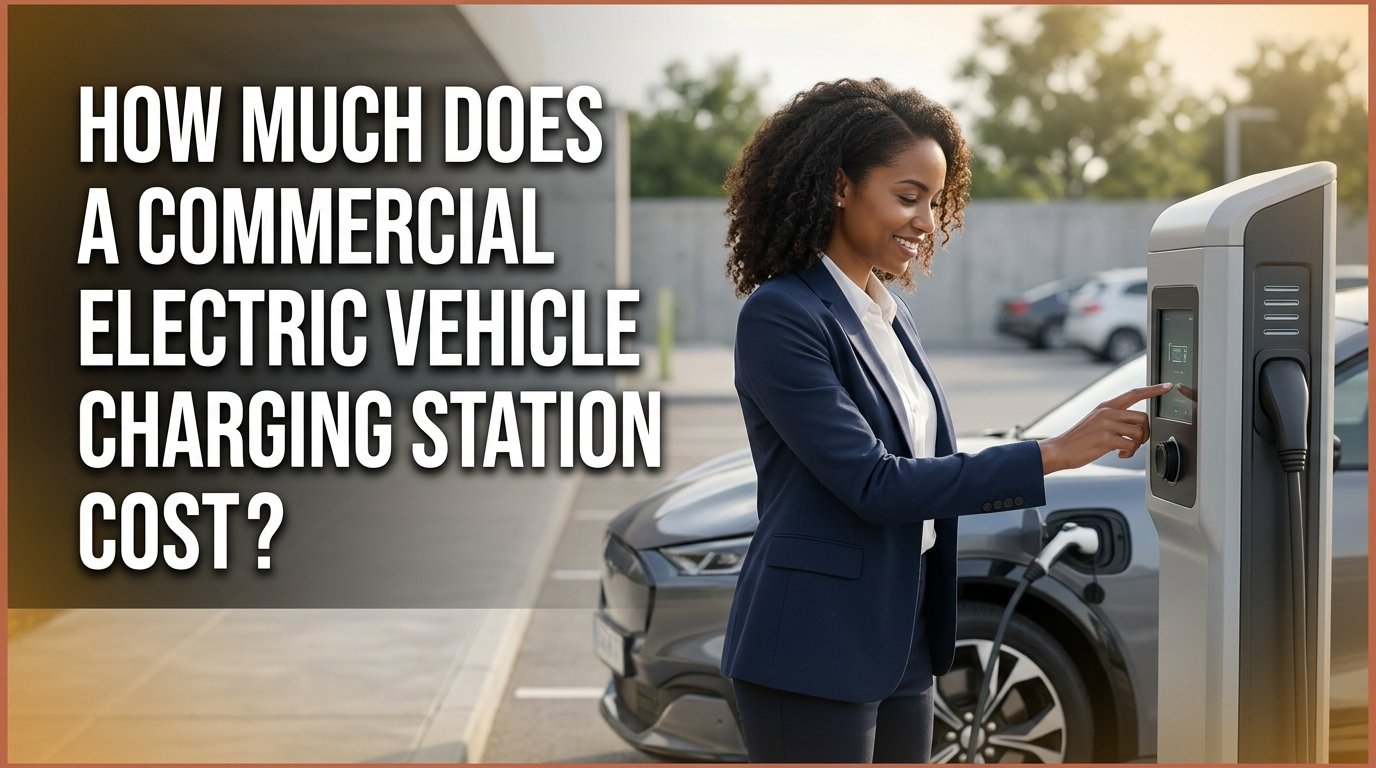
How much does a commercial electric vehicle charging station cost? Most projects can range from a few thousand dollars per Level 2 port to well over $100,000 for one powerful DC fast charger. That range is wide because the charger itself is only one part. Wiring, trenching, permits, electrical panels, utility work, and payment software may also add cost. A small office installing two chargers near its main panel may have a simple project. A retail center adding several public chargers across a large parking lot may need major electrical and ground work.
Commercial EV charger installation also changes based on how drivers use the property. Office workers may leave their cars parked for several hours. Retail customers may need a useful charge during a shorter visit. Apartment residents often need overnight access, while warehouse fleets may need several vehicles ready by morning. Each use calls for a different charger type and power plan. This guide explains common cost ranges, charger levels, wiring needs, permits, panel upgrades, and site factors. It can help Redlands property owners plan a realistic project before requesting final quotes.
How Much Does a Commercial Electric Vehicle Charging Station Cost?
The full cost depends on the charger level and site condition. Level 2 stations usually cost much less than DC fast chargers. Federal planning data shows that Level 2 installation alone often averages around $2,500 per connector. Yet hard sites may cost far more because of long wire runs or electrical upgrades.
A complete quote should include the charger, electrical work, permits, and setup. Network fees and future service may appear as separate costs. Site owners should compare full project totals, not only hardware prices.
What Does a Commercial Level 2 Charger Cost?
A commercial Level 2 charger project may cost around $3,000 to $15,000 per port. Simple sites may fall near the lower end. Sites needing trenching, new panels, or long wiring runs may cost more. Networked units also tend to cost more than basic chargers.
Level 2 charging works well where cars stay parked for hours. That makes it a common choice for offices, apartments, hotels, and workplaces. It can also work at retail sites with longer customer visits. Several ports may share power when the system supports load management.
The cost may include:
- Commercial charging equipment
- Mounting posts or wall hardware
- Circuit breakers and electrical wire
- Labor and testing
- Network setup
- Signs and parking markings
- Permit and inspection fees
A site visit gives a much better price than an online charger listing.
What Does a DC Fast Charging Station Cost?
A DC fast charging station may cost about $50,000 to $200,000 or more. This rough range combines costly hardware with major installation work. Federal sources show installation alone can range from about $20,000 to $60,000 per connector. High-power units may also need expensive utility upgrades.
DC fast chargers work best when drivers need power quickly. They may suit busy retail centers, public charging sites, and fleet operations. However, they can place a large demand on the electrical system. That power need often drives the project cost.
Okay, real talk: buying the charger may be the easy part. Utility service, transformers, switchgear, and trenching can cost just as much. Some sites may also face long lead times for larger electrical equipment.
What Changes the Cost of a Commercial EV Charging Station?
The cost changes with the number of chargers, cable distance, and site layout. Existing electrical capacity also plays a major role. A charger near a strong electrical room may be easier to install. A charger across a large parking lot will need more work.
The cost to install commercial electric car charging stations also rises when crews must cut concrete. Landscaping, drainage, and busy parking areas can affect the work plan. Each site should be reviewed before the final charger count is chosen.
How Do Trenching and Wiring Affect the Cost?
Trenching can become one of the largest project costs. Crews may need to cut asphalt, concrete, or landscaped areas. They must then install conduit, pull wire, and repair the surface. Longer distances require more material and labor.
A charger mounted close to the electrical panel is often cheaper. However, the closest spot may not be best for drivers. Accessible parking, traffic flow, and future growth also matter. Good planning balances easy electrical access with practical parking use.
Underground work may also uncover pipes or other utilities. Site plans help reduce this risk. Still, hidden conditions can affect the final bill.
Do Charger Quantity and Network Features Matter?
Yes, more chargers raise the total project cost. Yet the cost per port may fall when several units share setup work. One permit, one trench, and one panel may support several chargers. This can make a larger first phase more cost-effective.
Networked chargers often include apps, payment tools, and driver controls. They may allow the owner to set prices or limit access. Some systems also provide energy reports and fault alerts. These features usually bring software or service fees.
Power sharing can lower electrical upgrade costs. The system controls how much power each car receives. This can allow several vehicles to charge without every port using full power at once.
How Do Electrical Capacity and Panel Upgrades Affect Cost?
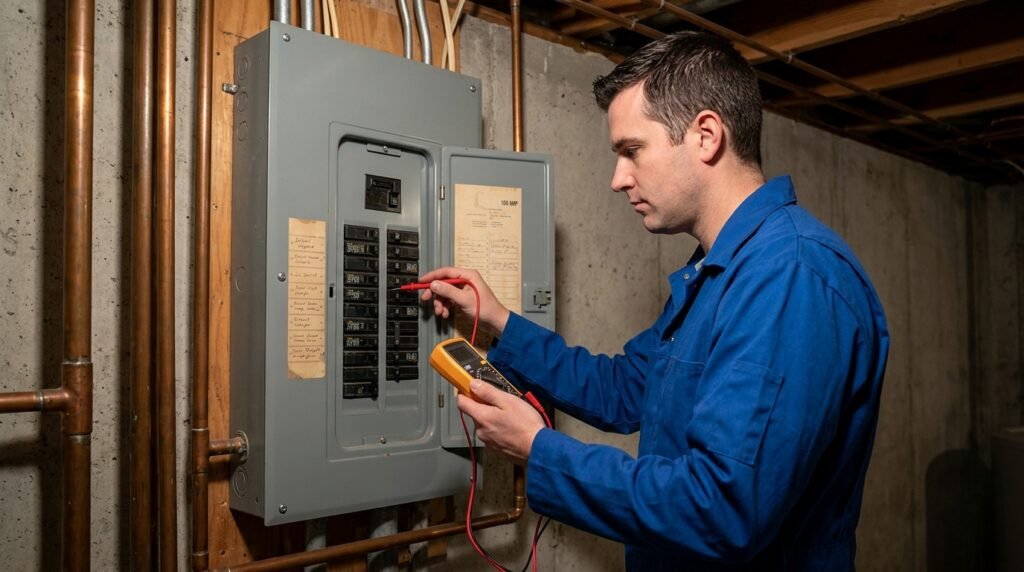
Electrical capacity can decide whether the project stays simple or becomes expensive. Every charger adds a new load to the property. An electrician must compare that load with the power already used. Offices, shops, kitchens, cooling systems, and machines may already use much of the available capacity.
A commercial electric car charger should never be added through guesswork. The installer needs to review the panel, service size, and charger demand. This check helps prevent overloads and future shutdowns.
When Is a Panel Upgrade Needed?
A panel upgrade may be needed when no safe breaker space remains. It may also be needed when the panel lacks enough power capacity. Old or damaged equipment can create another reason for replacement. The electrician should explain the exact limit before suggesting an upgrade.
Some projects only need a new subpanel. Others may need a larger main service. A large DC fast charging project could also require new switchgear or a transformer. Those changes can add major cost and planning time.
A load study should happen early. It can prevent buying chargers that the site can’t support. It may also show that smart load controls can avoid a larger upgrade.
When Does the Utility Need to Get Involved?
The utility may need to review projects that add a large electrical load. This is common with several Level 2 chargers or DC fast units. The utility may check local grid capacity and transformer size. It may also require new service equipment.
Utility work can affect both budget and schedule. Some upgrades may take months because equipment must be ordered. That’s why early contact matters for larger sites. The electrician, charger provider, and utility may need to plan together.
Here’s the thing nobody tells you early enough. A charger can arrive long before the site has enough power. Good planning keeps that from happening.
How Does Property Type Affect Commercial EV Charger Installation?
Different properties need different charging plans. The right charger depends on parking time, driver needs, and daily traffic. A busy shopping center has different goals than an apartment building. A warehouse fleet also has very different charging hours.
Commercial electric vehicle charging should match real use. Installing the fastest charger isn’t always the best choice. Slower shared charging may serve more vehicles at a lower cost.
What Works for Offices and Retail Locations?
Level 2 charging often works well at office properties. Employees may stay parked for four to eight hours. This gives the charger time to add useful range. Access can be free, paid, or limited to staff.
Retail sites may use Level 2 or DC fast charging. The right option depends on customer visit length. Restaurants and shopping centers may benefit from Level 2 stations. Short-stop sites near major roads may need faster charging.
Businesses should also think about visibility and parking loss. Charger spaces need clear signs and safe placement. The project shouldn’t block deliveries or create traffic trouble.
What Works for Apartments and Warehouses?
Apartment buildings often need several Level 2 ports. Residents may charge overnight or during long parking periods. Shared chargers can work, but assigned spaces may offer more control. Billing systems may also help divide electricity costs.
Warehouses may need charging for staff, visitors, or fleet vehicles. Fleet charging requires careful timing. Several vans or trucks may return at the same hour. Load controls can spread charging across the night.
A warehouse may also need stronger service equipment. Fleet growth should be included in the first design. Empty conduit or spare panel space can make later expansion easier.
What Permits and Planning Costs Apply in Redlands?
Commercial EV charger installation usually needs electrical permits and inspections. Redlands provides an expedited review checklist for EV charging stations. The project may require a site plan, electrical details, and charger information. Larger projects may need more review.
California’s current building standards took effect on January 1, 2026. EV charging, parking access, and building rules may apply based on the project type. A local contractor can confirm which rules affect the site.
What Should Be Included in the Project Plan?
The plan should show charger locations and parking spaces. It should also show panels, conduit paths, and wire sizes. Equipment ratings and load details may be required. Accessible routes and charger reach also need review.
Good plans can reduce permit delays. They also help electricians, property managers, and paving crews work together. The plan should leave room for future chargers where possible.
For public stations, drivers need a clear and safe setup. Lighting, signs, wheel stops, and cable placement may add cost. These items shouldn’t be left until the final week.
How Can Property Owners Control Installation Costs?
Start with a site and load review before selecting chargers. This shows how many ports the property can support. It also finds expensive site problems early. You can then compare charger levels with real user needs.
A phased project may also reduce risk. The first phase can include fewer active chargers. Conduit and panel space can be prepared for later growth. This costs more now than doing nothing, but less than reopening the same ground later.
Request a quote that separates:
- Charger hardware
- Electrical labor
- Wiring and conduit
- Trenching and surface repair
- Panel or service upgrades
- Permit and inspection costs
- Software and network fees
- Maintenance and warranty plans
Fowles Electric serves Redlands and nearby Inland Empire communities. Its electricians handle commercial electrical work, panel upgrades, and EV charger installation. A site review can help define charger type, power needs, and realistic project costs.
Frequently Asked Questions
How Long Does Commercial EV Charger Installation Take?
A simple Level 2 installation may take several days after approval. Larger projects can take weeks or months. Permits, utility work, trenching, and equipment delivery can extend the schedule. DC fast chargers often take longer because they need more power. A site review should happen early so the owner can plan around likely delays.
Are Level 2 Chargers Enough for Most Businesses?
Level 2 chargers are enough for many offices, apartments, and hotels. They work best when cars stay parked for several hours. Retail sites with longer visits may also use them well. They cost less than DC fast chargers and use less power. Busy public sites may still need faster units for short visits.
Can a Business Charge Drivers to Use EV Stations?
Yes, many networked chargers support paid use. The property owner may charge by time, energy, or session. Local rules and network terms may affect how pricing works. The system may also collect fees and provide reports. Owners should review payment costs before choosing a commercial charging network.
Does Every Commercial Charger Need a Panel Upgrade?
No, every project doesn’t need a panel upgrade. Some buildings have enough open capacity and breaker space. Other sites may only need a small subpanel. Larger charger groups or DC fast stations often need more work. A load study and panel inspection will show what the site can safely support.
Are There Ongoing Costs After Installation?
Yes, commercial stations may have network, service, and maintenance costs. Paid chargers may also include payment processing fees. Repairs, software plans, and extended warranties can add yearly costs. Electricity use is another key expense. Owners should review these costs before setting driver prices or offering free charging.