Electrical panel repair may solve problems with breakers, loose parts, or damaged connections. Yet some panels have deeper issues that a small repair can’t fix. The panel might be too old, badly damaged, or too small for the property’s power needs. In that case, electrical panel replacement may offer a safer and more useful solution. The right choice depends on the panel’s condition, age, capacity, and repair history. It also depends on what you plan to add, such as an EV charger, air conditioner, or new kitchen equipment.
Property owners in Redlands may notice flickering lights, warm panel covers, or breakers that trip often. These signs don’t always mean the whole panel must go. A worn breaker might need replacement, or one loose wire may need repair. Still, repeated trouble can point to a larger electrical system problem. This guide explains when repair may be enough and when replacement makes better sense. It also covers safety risks, common panel faults, capacity limits, and the main factors behind electrical panel repair cost.
What Does Electrical Panel Repair Fix?
Electrical panel repair fixes specific faults inside or around the panel. It may include replacing a damaged breaker, tightening a safe connection, or repairing a faulty part. The electrician should first test the panel and connected circuits. That inspection helps separate a small repair from a larger system problem.
A panel sends power from the main service into different circuits. Each breaker protects one part of the property. When a breaker or connection fails, one room may lose power. In other cases, several circuits may show problems at once.
Which Panel Problems Can Usually Be Repaired?
Some panel faults stay limited to one part. A single breaker may wear out or stop holding correctly. A connection may also loosen after years of heat and normal use. These issues may allow a focused repair when the rest of the panel remains safe.
Repairable problems may include:
- One damaged or weak circuit breaker
- A loose connection found during testing
- A damaged panel cover or missing label
- A faulty neutral or ground connection
- Minor damage around one circuit
- A breaker that doesn’t match the circuit
The electrician must still inspect the full panel. One visible fault may not be the only problem.
Is a Tripping Breaker Always a Panel Problem?
A tripping breaker doesn’t always mean the panel has failed. The circuit may carry more power than it can safely handle. A damaged appliance, short circuit, or ground fault can also cause trips. Testing must find the cause before anyone replaces parts.
Don’t install a larger breaker to stop the trips. The circuit wiring may not support a higher breaker size. That change could allow wires to overheat. The correct fix may involve the appliance, wiring, circuit, or panel.
When Is Electrical Panel Repair Enough?
Electrical panel repair may be enough when damage stays limited and the panel remains sound. The panel should have safe parts, proper capacity, and no widespread heat damage. It should also support the property’s current electrical load. A qualified electrician can confirm these points through testing.
A newer panel with one bad breaker often doesn’t need full replacement. The same may be true when a safe connection has loosened. Repair can restore reliable service without changing the complete system. Still, the repair must solve the cause, not only the symptom.
What Signs Point Toward a Simple Repair?
A simple repair may work when only one circuit has trouble. The panel may otherwise stay cool, clean, and free from rust. Breakers should fit tightly and match the panel brand. There should also be enough capacity for normal use.
For example, one room may lose power while all other circuits work. A breaker may fail a test but show no damage nearby. In that case, replacing the correct part might solve the issue. The electrician should test the circuit again after the repair.
When Can You Repair an Electrical Panel Safely?
You can repair an electrical panel safely when approved parts remain available. The panel must also be in good physical condition. There shouldn’t be melted parts, deep rust, or damaged bus bars. The main service size must still meet the building’s needs.
Here’s the thing: a repair only makes sense when it leaves a safe system. Saving one old part isn’t useful when other parts may soon fail. A clear inspection helps property owners avoid paying twice. It also gives them a better plan for future electrical needs.
When Is Electrical Panel Replacement the Better Choice?
Electrical panel replacement becomes the better choice when the existing panel has major limits. It may be too damaged, too small, or no longer supported. Replacement may also make sense when repair costs keep adding up. A new panel can provide safer parts and more room for future circuits.
Not every old panel needs immediate replacement. Age alone doesn’t prove failure. However, age combined with heat, rust, damage, and repeated trips needs attention. The electrician should look at the full picture.
Does Panel Age Mean You Need Replacement?
An older panel may still work, but its condition matters most. Years of heat and heavy use can wear connections and breakers. Some older panels also have limited space for new circuits. Replacement parts may be hard to find or may not match safely.
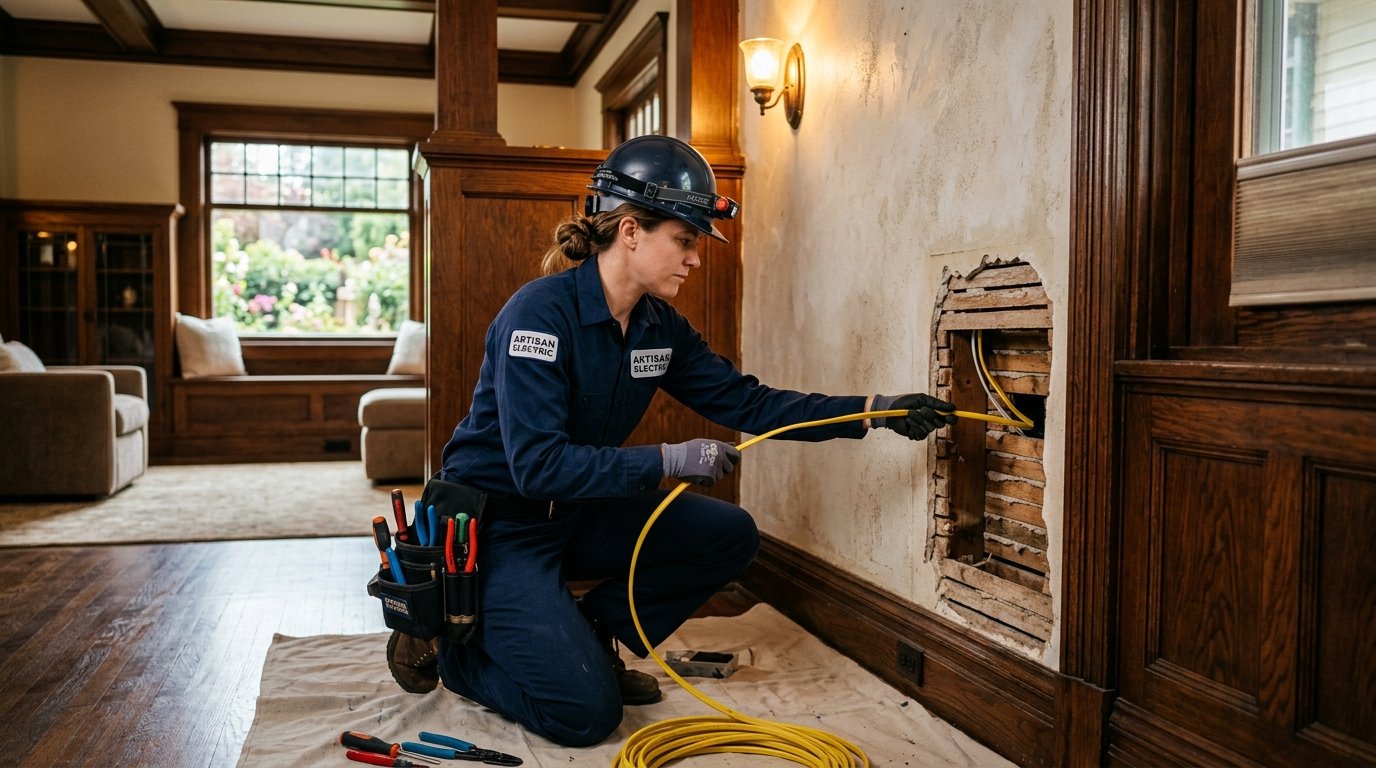
Older Redlands homes may have had several electrical changes over time. Past repairs may not always appear clear or well labeled. An inspection can reveal mixed breakers, crowded wiring, or unused parts. These signs may support replacement rather than another patch.
What Damage Makes Replacement More Likely?
Serious physical damage makes electrical panel replacement more likely. Melted parts, burned marks, and damaged bus bars may affect several circuits. Heavy rust or water entry can also weaken internal parts. These problems may continue even after one breaker gets replaced.
Replacement may be the safer choice when you find:
- Melted plastic or burned metal
- Strong heat around several breakers
- Water damage or deep corrosion
- Damaged main connections
- Cracked or loose internal parts
- No safe replacement breakers available
- Several failed repairs over a short time
Don’t touch or open a damaged panel. Keep people away and call an electrician.
How Does Electrical Capacity Affect the Decision?
Electrical capacity affects whether the panel can support current and future demand. A panel may work today but struggle after adding larger equipment. New air conditioning, electric cooking, EV charging, or shop tools can increase the load. An electrician may need to complete a load calculation before recommending work.
A panel with enough capacity may only need a new circuit. A full or undersized panel may need replacement or a service upgrade. The answer depends on the building, equipment, and service size. Guessing from the breaker count isn’t enough.
What Does an Overloaded Panel Look Like?
An overloaded panel may show repeated trips when several devices run together. Lights may dim when large equipment starts. You may also hear buzzing or notice heat near breakers. These signs need testing because loose wiring can cause similar trouble.
Too many extension cords may also reveal a lack of outlets or circuits. Property owners sometimes work around this problem for years. Yet added power strips don’t create more circuit capacity. New circuits or a larger panel may be the real fix.
Do EV Chargers and New Appliances Need More Capacity?
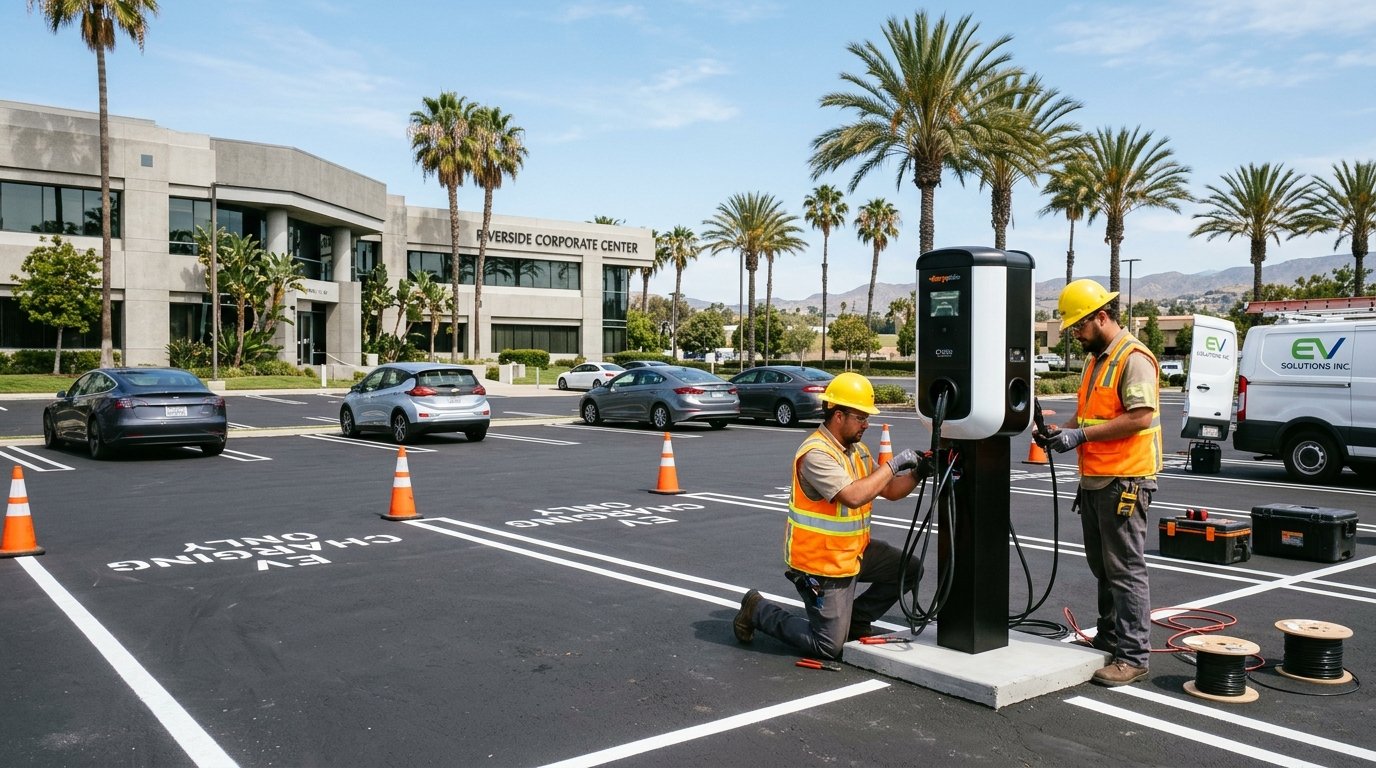
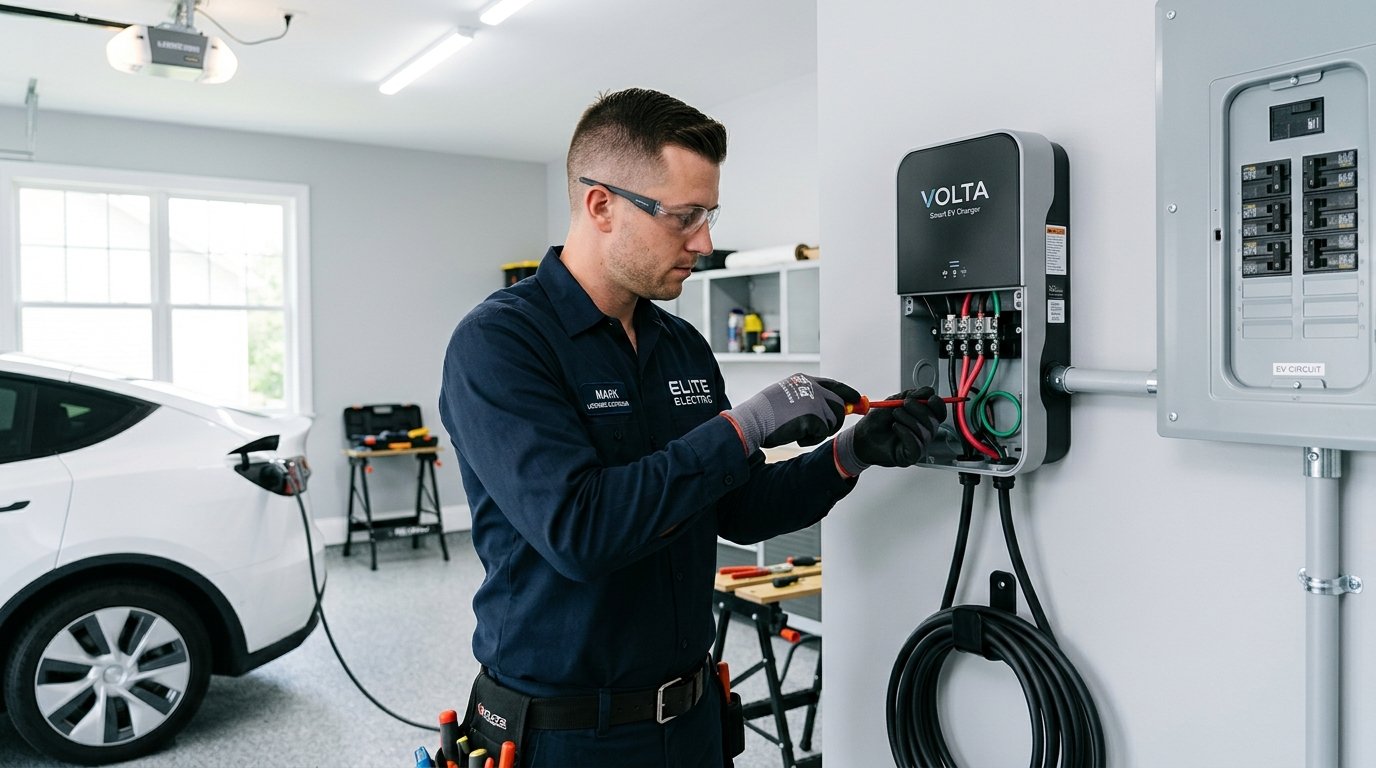
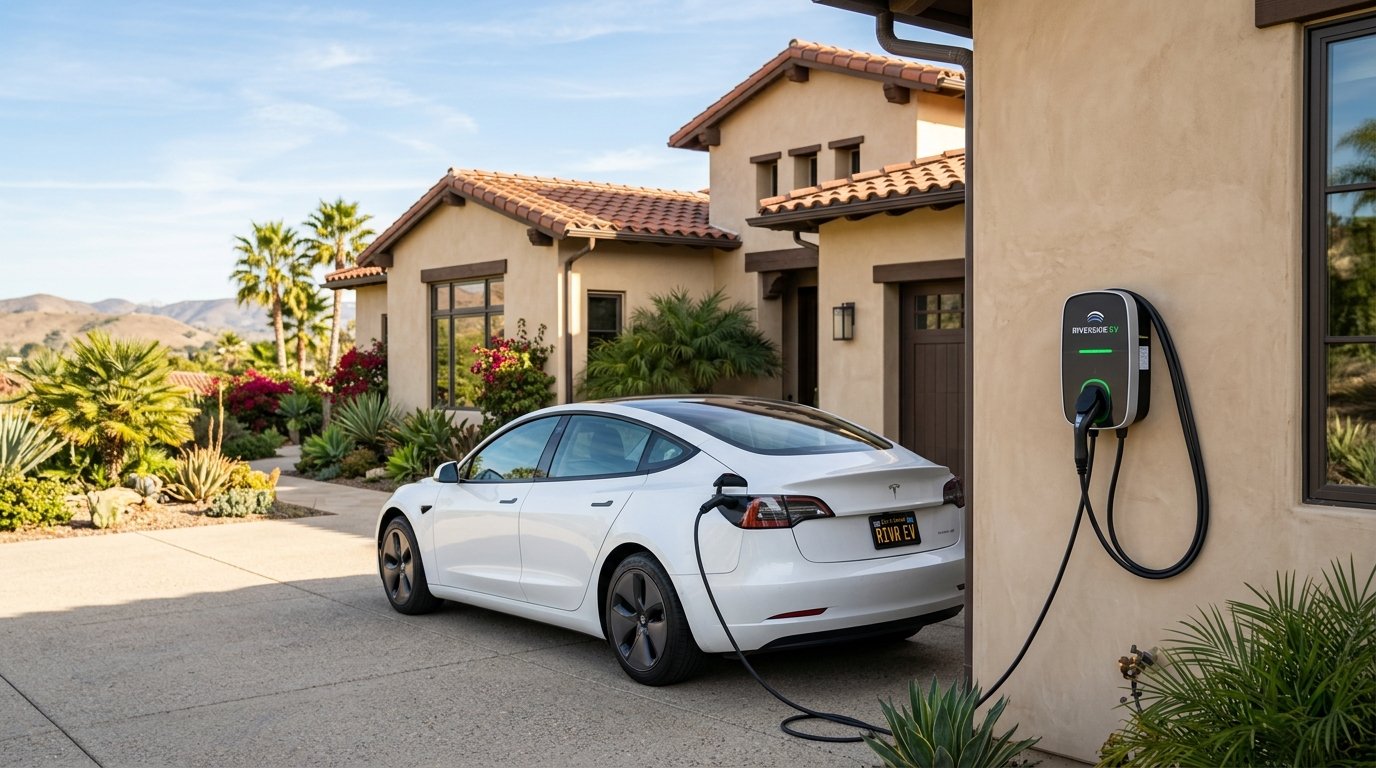
EV chargers and major electric appliances can add a large steady load. The panel must have enough available capacity for that demand. A new charger may need a dedicated circuit and proper breaker. Some installations can work with the current panel, while others need an upgrade.
The same check matters for electric water heaters, ovens, heat pumps, and shop equipment. Commercial properties may also add large lighting or kitchen loads. Planning early helps avoid a rushed electrical panel replacement later. It also keeps the new equipment working as intended.
What Warning Signs Should You Never Ignore?
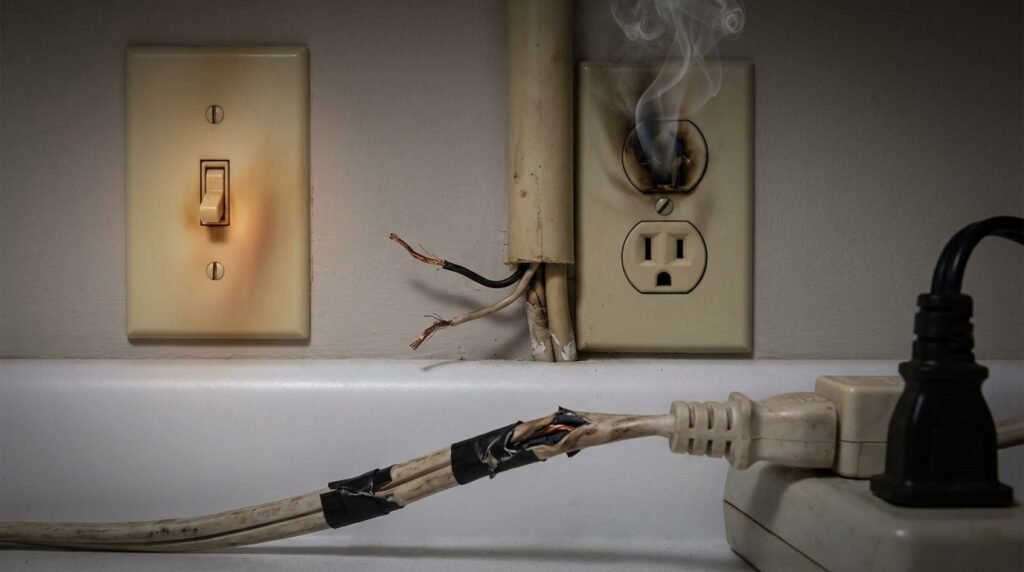
Some warning signs need fast professional attention. Smoke, sparks, burning smells, or loud buzzing may point to active damage. A hot panel cover also needs immediate care. Turn away from the area and avoid touching the panel.
If it’s safe, switch off equipment using the affected circuit. Don’t remove the panel cover or handle damaged breakers. Electrical panels contain live parts even when some breakers are off. Nope. This isn’t a safe place for trial and error.
Why Is a Warm or Buzzing Panel Dangerous?
A warm panel may point to a loose connection or heavy load. Buzzing can come from a weak breaker or damaged internal part. Both signs may mean electricity isn’t moving through a firm connection. That can create added heat.
A small sound may seem harmless during the day. Yet electrical damage can grow over time. Call an electrician when buzzing continues or returns. Quick testing may prevent a larger electrical system repair.
What Do Burning Smells or Dark Marks Mean?
A burning smell may mean wire covering or plastic has overheated. Dark marks can show heat, arcing, or past damage. Even when the smell stops, the cause may remain. Turning the breaker back on could make the problem worse.
Avoid spraying water or cleaner near the panel. Don’t cover the smell with air spray and wait. Keep the area clear and request urgent service. The electrician may recommend repair or complete replacement after testing.
How Much Does Electrical Panel Repair Cost?
Electrical panel repair cost depends on the failed part and labor needed. Replacing one common breaker may cost less than repairing damaged wiring. Hard access, burned parts, and testing time can increase the price. Emergency visits may also carry different rates.
A written estimate should explain the repair and needed materials. It should also state whether the problem may return. The lowest quote isn’t always the lowest final cost. A cheap patch can become costly when it fails again.
What Affects the Cost to Repair an Electrical Panel?
The cost to repair an electrical panel changes with panel type and condition. Some brands have easy-to-find parts, while others don’t. The electrician may also need time to trace circuit damage. Permit needs can affect larger repairs.
Key price factors include:
- The number of damaged breakers
- Part type and availability
- Heat or water damage
- Panel access and working space
- Needed wiring repairs
- Testing and troubleshooting time
- Permit and inspection requirements
- Emergency or after-hours service
Ask what the quote includes before work begins. Clear details make prices easier to compare.
Is Repair Always Cheaper Than Replacement?
Repair often costs less at first, but not in every case. Several repairs on an outdated panel can add up quickly. Replacement may offer better value when parts keep failing. It can also create room for planned electrical upgrades.
A good electrician should explain both choices. Ask how long the repair may remain useful. Also ask whether the panel can support future loads. That information helps you compare total value, not only today’s bill.
How Does an Electrician Choose Repair or Replacement?
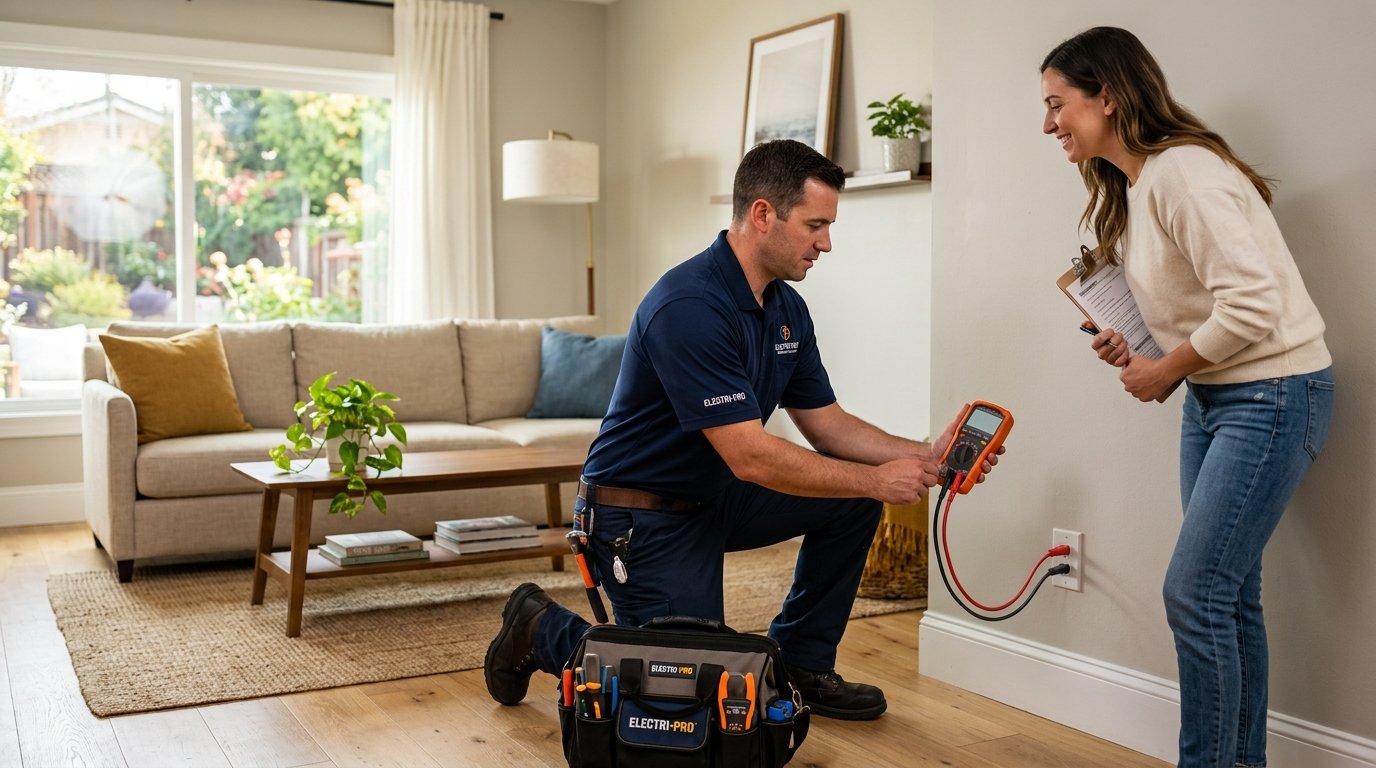
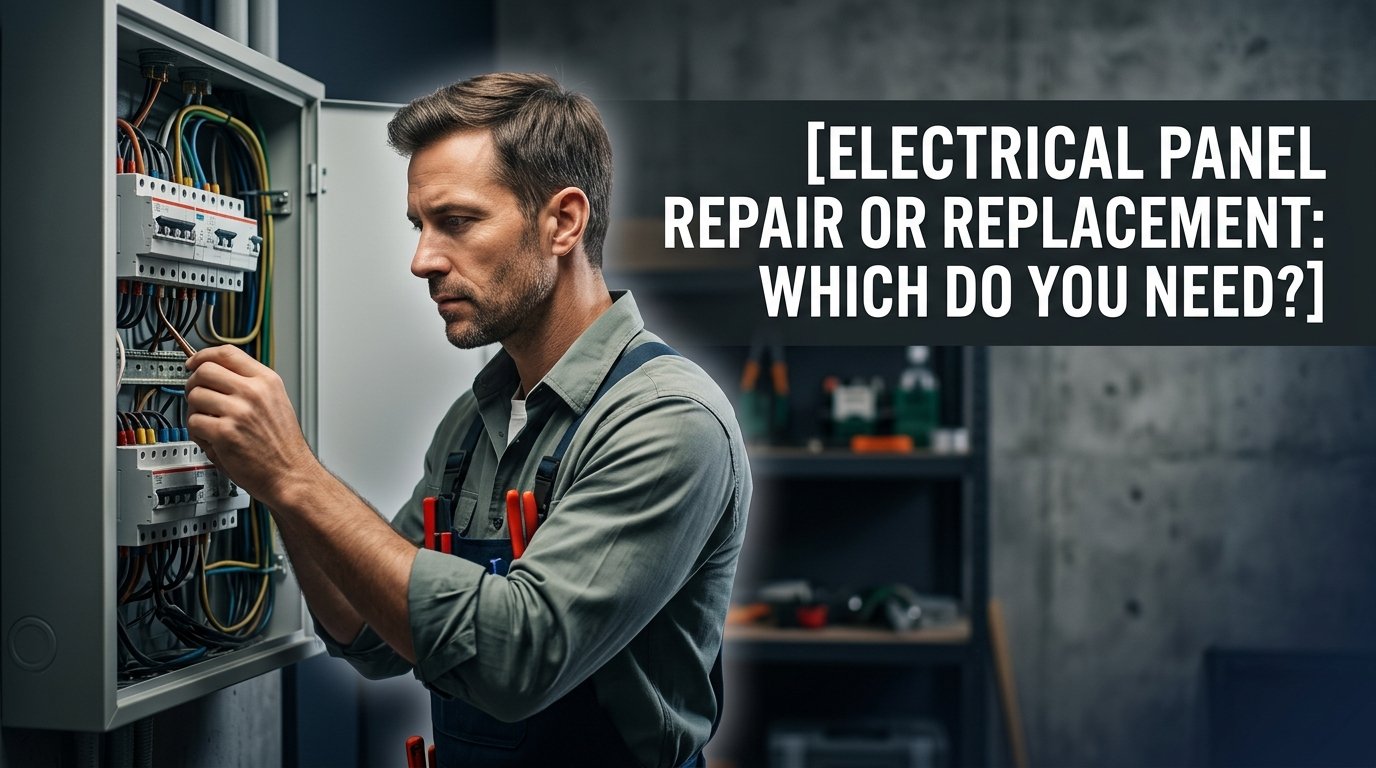
An electrician chooses between repair and replacement after checking safety and capacity. The process may include visual checks, electrical tests, and load review. They should inspect the panel, breakers, wiring, and main connections. They may also ask about past issues and future plans.
The final advice should be easy to understand. You should know what failed, why it failed, and what each option solves. Be careful when someone recommends major work without testing. A clear reason should support the decision.
What Happens During a Panel Inspection?
The electrician may first check for heat, rust, and physical damage. They may verify breaker types and circuit labels. Testing can reveal loose connections, weak breakers, or load issues. The service size and available panel space also matter.
The panel cover should only be removed by trained workers. Live parts may remain inside during the inspection. After testing, the electrician can explain whether a repair is safe. They can also outline replacement steps when needed.
Why Does a Load Calculation Matter?
A load calculation estimates how much power the property may use. It looks at the building size and major electrical equipment. This check matters before adding large new loads. It also helps select the right replacement panel and service size.
Without this step, a new panel might still be too small. A much larger panel may also be needless. The goal is a system that fits the real demand. Proper planning can support later upgrades without wasting money.
Does Panel Work Need a Permit in Redlands?
Some panel work may require an electrical permit and inspection in Redlands. Small repairs may follow different rules than full replacement. A service upgrade often needs added planning with the city and utility. The exact process depends on the project scope.
Redlands Building and Safety handles local electrical permits and inspections. Current California electrical rules also apply to covered work. A licensed electrician can confirm which steps are needed. Permit planning should happen before the panel gets removed.
What Happens During Panel Replacement?
Panel replacement usually begins with planning and permit work. Power must then be shut down so the old panel can be removed. The electrician installs the new equipment, connects circuits, and checks grounding. Labels and safety parts are also reviewed.
The utility may need to take part when the main service changes. A city inspection may happen before final approval. The full timeline depends on the property and project. Your electrician should explain expected power downtime in advance.
How Should You Choose a Redlands Electrician?
Choose a Redlands electrician who is licensed, insured, and clear about permits. Ask for a written quote and full work scope. The electrician should explain whether repair or replacement makes more sense. They should also discuss capacity and future needs.
Fowles Electric serves Redlands and nearby Inland Empire communities. Its services include panel upgrades, electrical troubleshooting, and electrical repair. Property owners can request an inspection before choosing a repair plan. That first check often makes the next step much clearer.
Frequently Asked Questions
How Long Does Electrical Panel Repair Take?
A simple breaker replacement may take a short service visit. Troubleshooting hidden wiring or heat damage can take longer. The electrician must test the circuit before and after repair. Power may need to stay off during part of the work. The best time estimate comes after the panel inspection because each fault and panel layout can differ.
Can You Repair an Electrical Panel Without Replacing It?
Yes, some electrical panels can be repaired without full replacement. The damage must stay limited to safe, replaceable parts. The panel should also have enough capacity and remain in sound condition. Repair may not be wise when several parts show heat or corrosion. An electrician should test the complete panel before making that call.
How Do I Know if My Panel Is Too Small?
A small panel may have no open spaces for new circuits. Breakers may also trip when several large devices run. Still, open spaces alone don’t prove enough capacity. An electrician must review the service size and complete a load calculation. This check is especially important before adding an EV charger, heat pump, electric range, or other large equipment.
Should I Replace a Panel Before Selling My Home?
You may need replacement when the panel has damage, unsafe parts, or known capacity issues. A working panel doesn’t always need replacement just because the home will be sold. However, buyers and inspectors may raise concerns about visible faults. A professional inspection can help you decide whether repair, replacement, or no work is needed.
Can I Replace a Circuit Breaker Myself?
Replacing a breaker involves working close to live panel parts. Some parts may stay energized even when the main breaker is off. The wrong breaker can also create heat or fail to protect the wiring. For these reasons, panel work should be handled by a qualified electrician. A proper repair includes testing the breaker, circuit, and panel connection.