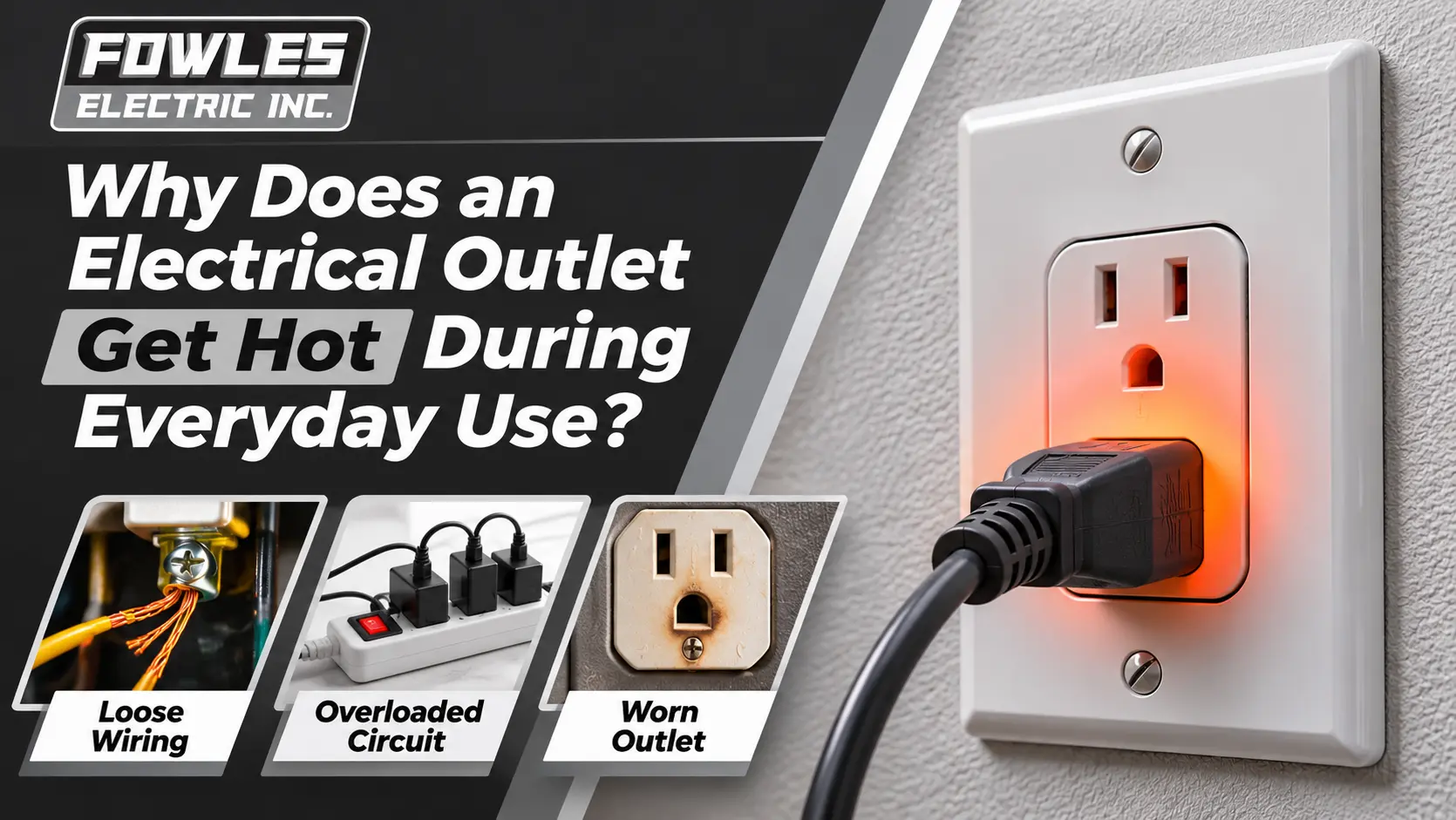
Electrical outlets should remain cool during normal operation. A slight temperature change may occur when certain devices operate, but a noticeably warm or hot wall plate deserves attention. The heat may come from the appliance, plug, adapter, or a problem inside the receptacle itself.
Understanding where that heat originates helps homeowners recognize electrical outlet getting hot problems before they develop into more serious damage. Loose wiring, worn contacts, excessive electrical loads, and faulty appliances can all create dangerous conditions. The right response depends on what is generating the heat and whether the outlet shows other signs of electrical damage.
Is a Warm Electrical Outlet Normal?
A receptacle does not always remain at room temperature. Some power adapters and electronic devices produce heat while operating, and that warmth can transfer to the outlet area. However, the wall plate itself should not become uncomfortably hot during normal use.
There is an important difference between warmth coming from a connected device and heat generated by an electrical fault.
| Where the heat appears | What it may indicate |
| Adapter or charging brick | Normal operating heat or an overloaded adapter |
| Electrical plug | Poor contact, damaged plug blades, or excessive current |
| Outlet face or wall plate | Loose terminals, worn contacts, or wiring problems |
| Nearby wall surface | Possible heat buildup behind the receptacle |
If the outlet feels hot, stop using it. Do not assume that the temperature is harmless simply because the connected appliance still works.
What Makes an Outlet Overheat During Use?
Heat develops when electrical energy encounters resistance. A secure electrical connection allows current to pass with minimal resistance. When contact becomes poor, electrical resistance heating can raise temperatures around the connection.
Several conditions can create this problem.
Loose Terminal Connections
A wire connected poorly to a receptacle may not maintain consistent contact with its terminal screw. This creates a high-resistance connection that generates heat whenever electricity flows through it.
Ongoing heat buildup may deteriorate wire insulation, damage nearby parts, and increase the risk of electrical arcing. A loose terminal connection may also produce intermittent power or a faint crackling sound.
Worn Receptacle Contacts
The internal contacts hold plug blades in position and maintain electrical continuity. Over time, repeated plugging and unplugging can reduce their grip.
A plug that does not fit securely into the outlet may signal a potential electrical hazard. Poor contact between the plug blades and receptacle creates resistance, which can heat both components. Replacing a worn receptacle may be necessary after professional inspection.
Excessive Electrical Load
An outlet or branch circuit can overheat when connected equipment demands more current than the circuit can safely handle. Running multiple high-power appliances through one receptacle or power strip increases the risk.
For example, a portable heater and another high-wattage appliance operating on the same circuit may create excessive demand. A circuit breaker is designed to protect wiring from overcurrent, but it does not make overloaded connections or damaged receptacles safe.
Faulty Appliances and Adapters
Sometimes the outlet is not the original source of the heat. A damaged appliance cord, defective plug, or failing power adapter can develop resistance and transfer heat toward the receptacle.
Compare the components carefully:
- Hot adapter: The power supply may be producing operating heat or developing a fault.
- Hot plug blades: Damaged contacts or poor connections may be responsible.
- Hot receptacle face: The outlet itself may have worn contacts or internal wiring problems.
Do not keep testing a suspicious device in other outlets. Stop using it until the appliance and electrical connection can be checked safely.
Clues That Help Identify the Source of Heat
The appearance and behavior of an outlet can provide useful information, but these signs should not replace a professional electrical inspection.
Look for the following warning indicators:
- Brown or black marks: Heat discoloration may indicate previous overheating.
- Burning plastic smell: Insulation or receptacle materials may be getting too hot.
- Sparking or crackling: Electrical arcing can occur when connections become unstable.
- Intermittent power: A loose connection may interrupt electricity as components move or heat up.
- A loose-fitting plug: Worn receptacle contacts may no longer hold plug blades securely.
A hot outlet with an appliance running is especially concerning when the heat continues after the device has been switched off. Do not remove the cover plate or attempt to tighten terminal screws yourself.
What Should You Do If the Outlet Gets Hot?
Treat an unusually hot receptacle as a potential electrical fire hazard. Follow these precautions rather than attempting to identify the internal fault yourself.
- Stop using the outlet. Disconnect the appliance from the outlet if conditions allow you to do so safely.
- Disconnect the device only if safe. Do not touch a hot, melted, sparking, or visibly damaged plug.
- Switch off the circuit breaker if safe. Avoid approaching the panel if there is smoke, active sparking, or another immediate danger.
- Arrange professional inspection. A licensed electrician can examine the receptacle, wiring, connections, and circuit load.
- Call 911 if there is smoke or fire. Move away from the area instead of attempting to put out an electrical fire on your own.
The Consumer Product Safety Commission advises homeowners to discontinue use of hot receptacles and obtain help from a qualified electrician.
How Redlands Electrical Codes Relate to Outlet Safety
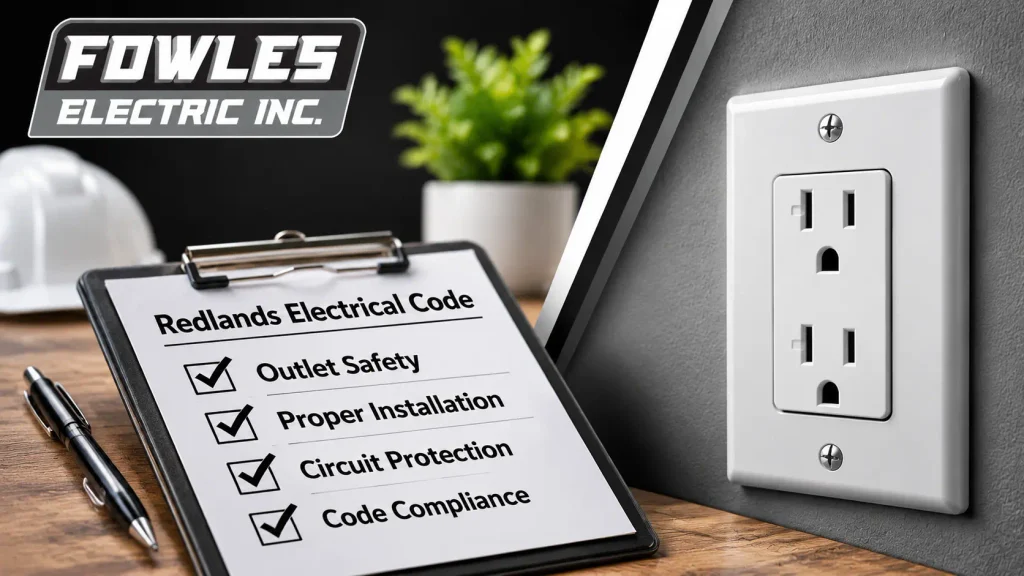
Homeowners in Redlands should also understand which electrical standards apply to local work. The city adopted the 2025 California Electrical Code, with the updated code taking effect on January 1, 2026.
This edition incorporates the 2023 National Electrical Code with California amendments. It provides the regulatory framework for electrical installations and related safety requirements. An electrician assessing an overheating receptacle should consider the applicable code requirements, the existing wiring, and the condition of the circuit rather than simply replacing a damaged faceplate.
When Does an Overheating Outlet Need Electrical Repair?
A receptacle that becomes noticeably hot, shows discoloration, produces a burning smell, or sparks needs prompt professional attention. Even if the circuit breaker has not tripped, the connection may still be developing dangerous heat.
A qualified electrician can inspect terminal connections, receptacle contact tension, conductor insulation, and the connected electrical load. The inspection helps determine whether the problem involves a worn receptacle, damaged wiring, an appliance fault, or a larger circuit issue.
Homeowners experiencing these problems can explore electrical repair services to have the underlying cause assessed. Fowles Electric Inc can help address electrical concerns with a focus on safe, properly evaluated repairs.
Frequently Asked Questions
Can an electrical outlet get warm when charging a phone?
A phone charger may become warm during operation, and some of that heat can transfer to the surrounding area. However, a wall receptacle that feels hot, smells unusual, or shows discoloration should not be considered normal.
Why does an outlet get hot only when an appliance is running?
The appliance draws current through the receptacle and its wiring. A loose terminal, worn contact, or excessive electrical load may generate heat when current flows. The problem may become less noticeable after the appliance is turned off.
Can a faulty appliance make an electrical plug hot?
Yes. A damaged cord, defective plug, or internal appliance fault can create excessive resistance or abnormal current demand. The resulting heat may affect the plug and receptacle. Stop using the appliance if its plug becomes unusually hot.
Will a circuit breaker always trip when an outlet overheats?
No. A breaker responds to overcurrent conditions, but a poor electrical connection can generate localized heat without drawing enough current to trip it. A breaker that remains on does not prove that the receptacle is safe.
Should I replace an outlet that has brown marks?
Brown or black discoloration can indicate heat damage. Do not cover the marks with paint or continue using the receptacle. Have a licensed electrician inspect the outlet and wiring to determine the necessary repair.
Final Thoughts: Do Not Ignore an Overheating Electrical Outlet
A hot outlet is more than an inconvenience. Loose connections, worn receptacle contacts, overloaded circuits, and defective appliances can all produce dangerous heat during everyday use. Identifying the source matters because replacing one damaged component may not correct an underlying wiring problem.
If an outlet becomes hot, discolored, or starts producing a burning smell, stop using it and arrange a professional inspection. Fowles Electric Inc can help homeowners address outlet overheating concerns before a minor electrical issue develops into a greater safety risk.