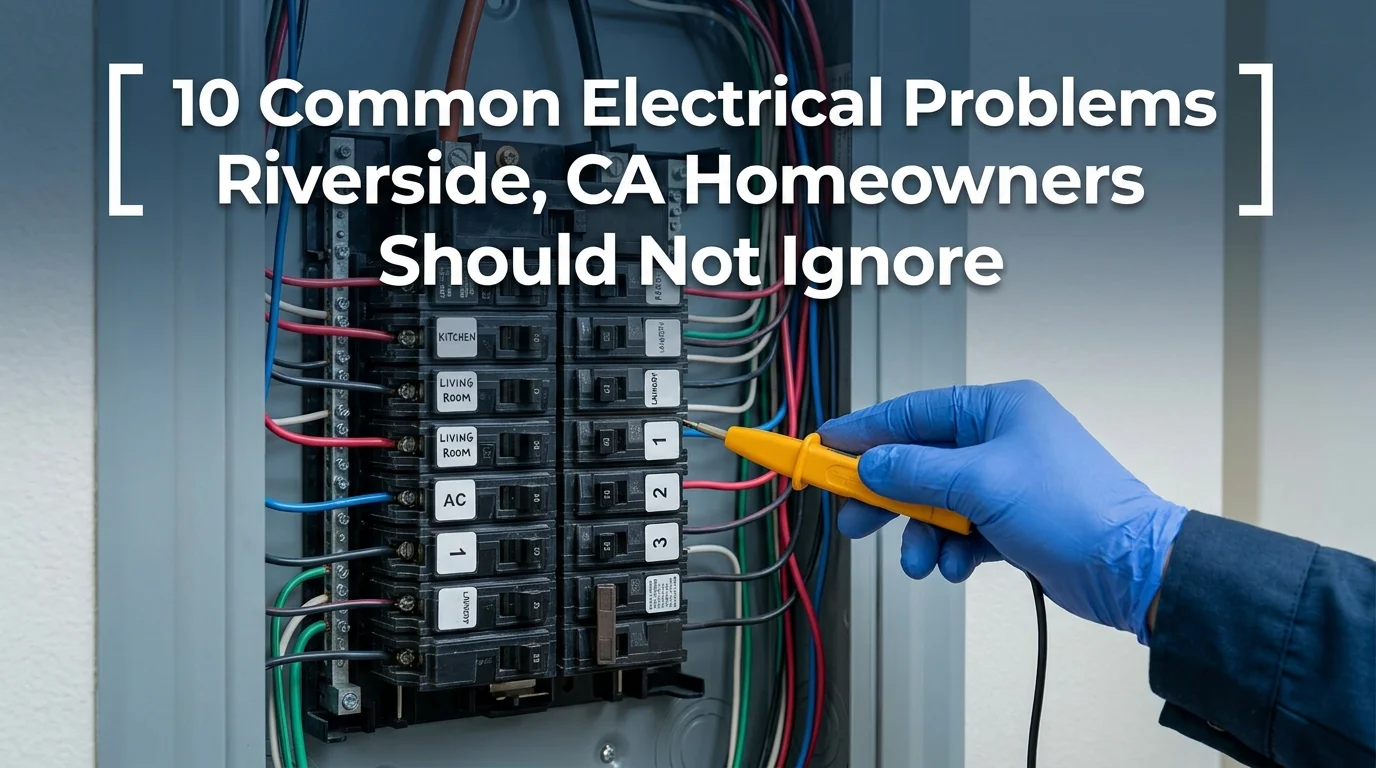
Electrical issues are not always apparent. If a light flickers or if the circuit breaker keeps tripping, it can be a simple inconvenience, but if it happens often, it could indicate that circuits are overloaded, connections are loose, wiring is damaged, or there are issues with the electrical panel.
When it comes to residential electrical issues in Riverside, CA, it is essential to be familiar with issues that can be delayed and those that need to be fixed right away. In addition, older homes might have electric systems that were installed before modern homes started using more appliances, electronics, HVAC equipment, and EV chargers.
The guide will discuss the most frequent types of electrical issues in the home, potential causes of the issues, and when to call a qualified home electrician.
1. Circuit Breakers That Keep Tripping
The circuit breaker is a device that is meant to turn off the power in case of overload or fault. Sometimes, just a single trip doesn’t indicate the problem is serious.
However, a breaker that trips repeatedly should not simply be reset over and over.
Common causes include:
- Too many devices are connected to one circuit
- A malfunctioning appliance
- A short circuit
- A ground fault
- Damaged electrical wiring
- An undersized or overloaded circuit
Today’s houses tend to be more demanding on the electrical system than they were several years ago. If additional electrical loads are added, such as large appliances or EV charging stations, it might need a dedicated circuit or an electrical panel upgrade. If the breaker is tripping over and over, the electrician can troubleshoot the circuit and find the source of the problem, rather than assuming it is the breaker.
2. Flickering or Dimming Lights
Flickering lights can sometimes have a simple cause, such as a loose bulb. If multiple lights flicker, several lights are dimmer when appliances are turned on, or lights do not work consistently across the home, then the problem could be more serious.
The reasons may be due to poor connections, overloaded circuits, voltage fluctuations, or electrical panel issues. Pay attention to patterns. When, for instance, the light dims with every turn of the AC unit, microwave, or large appliance, the circuit and/or electrical service may be under stress.
If the flicker is ongoing, it should be checked, especially if several rooms are involved, or if there are buzzing noises, outlets that are hot, or issues with the circuit breakers.
3. Dead or Faulty Electrical Outlets
If an outlet suddenly ceases to operate, it could have a tripped circuit breaker or a GFCI outlet to the rear of it. Sometimes, the power can be restored by checking the correct GFCI reset button in kitchens, bathrooms, garages, laundry areas, etc.
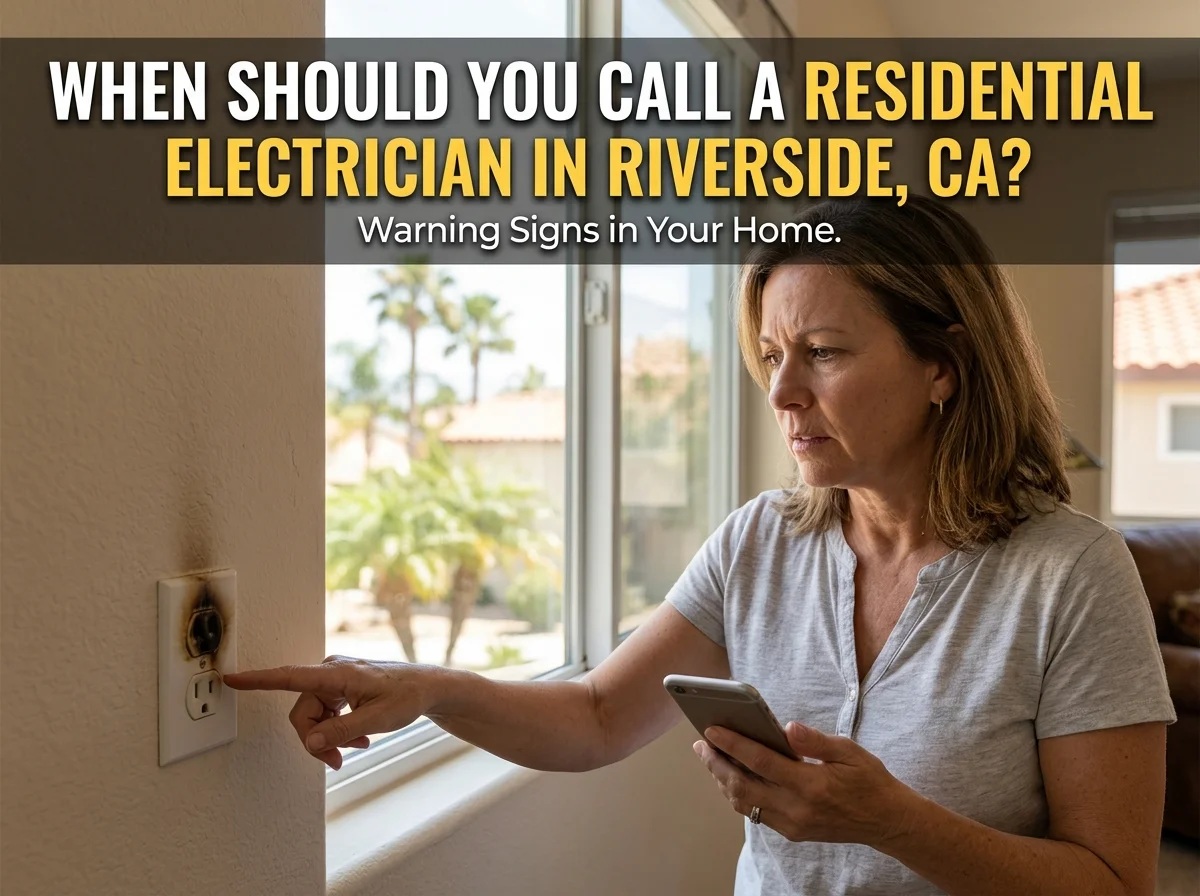
If the breaker or GFCI resets and it does not resolve the problem, do not try to push the button. Loose wiring, damaged receptacles, a poor connection, or a problem with the wiring could be the cause of a bad outlet. Be aware of any of the following signs, which warrant professional support:
- A warm outlet cover
- Discoloration
- Crackling or buzzing
- A burning smell
- Sparks
- Plugs that no longer fit securely
These symptoms may be signs of a condition that can lead to a risk of electrical shock or fire.
4. Overloaded Circuits and Too Many Extension Cords
Extension cords and power strips can serve as temporary solutions, but not as a long-term solution, as they may be a sign of insufficient electrical outlets or circuits in the home.
An overloaded circuit is when multiple high-demand appliances are connected to a single circuit. They can be used in a wide variety of situations, such as to power microwaves, space heaters, or other equipment that draws a lot of power, as well as in air conditioners. Homeowners might require extra outlets or dedicated circuits rather than keeping plugging in power strips.
Riverside, CA, residential electricians can assess the electrical load needs and provide a more risk-free solution in the long term.
5. Burning Smells, Sparks, or Warm Electrical Components
This is one of the most serious warning signs on the list. A brief spark when plugging in a device can occur in some situations, but repeated sparking, visible arcing, smoke, or a burning electrical smell should never be ignored.
If possible, unplug the affected outlet, switch, or appliance. In the event of smoke, fire, or immediate danger, evacuate and call for emergency services.
Possible reasons range from damaged wiring to loose connections, overloaded circuits, or failing electrical components. Never open an electrical box or fix exposed electrical wires. These issues should be addressed immediately by a professional evaluation.
6. Faulty Light Switches
A light switch that isn’t working properly can have a damaged or loose internal part or connection.
Common warning signs include:
- Lights turning on and off unpredictably
- A switch that feels unusually warm
- Buzzing or crackling sounds
- Visible damage
- A delay between flipping the switch and the light responding
One bad switch might just be a relatively local repair. However, if several switches or fixtures are having the same issues, the problem may be in the electrical system, not just the one switch or fixture.
7. Outdated or Damaged Electrical Wiring
Over time, wires can deteriorate due to aging, remodeling, infestation, water damage, or being accidentally struck. Electrical systems in homes can also be outdated or not meet the power requirements of the household.
Some warning signs include regularly blown breakers, lights that flicker, outlets that are not working all the time, or compromised wiring that is visibly damaged. Older houses may also have electrical parts and circuits that need to be inspected during a remodeling project or electrical upgrade. An inspection may help you decide if repairs, rewiring, or electrical panel upgrades are needed.
The goal is not to replace wiring unnecessarily. It is to identify whether the existing system can safely support the home’s present and expected electrical load.
8. Electrical Panel Problems
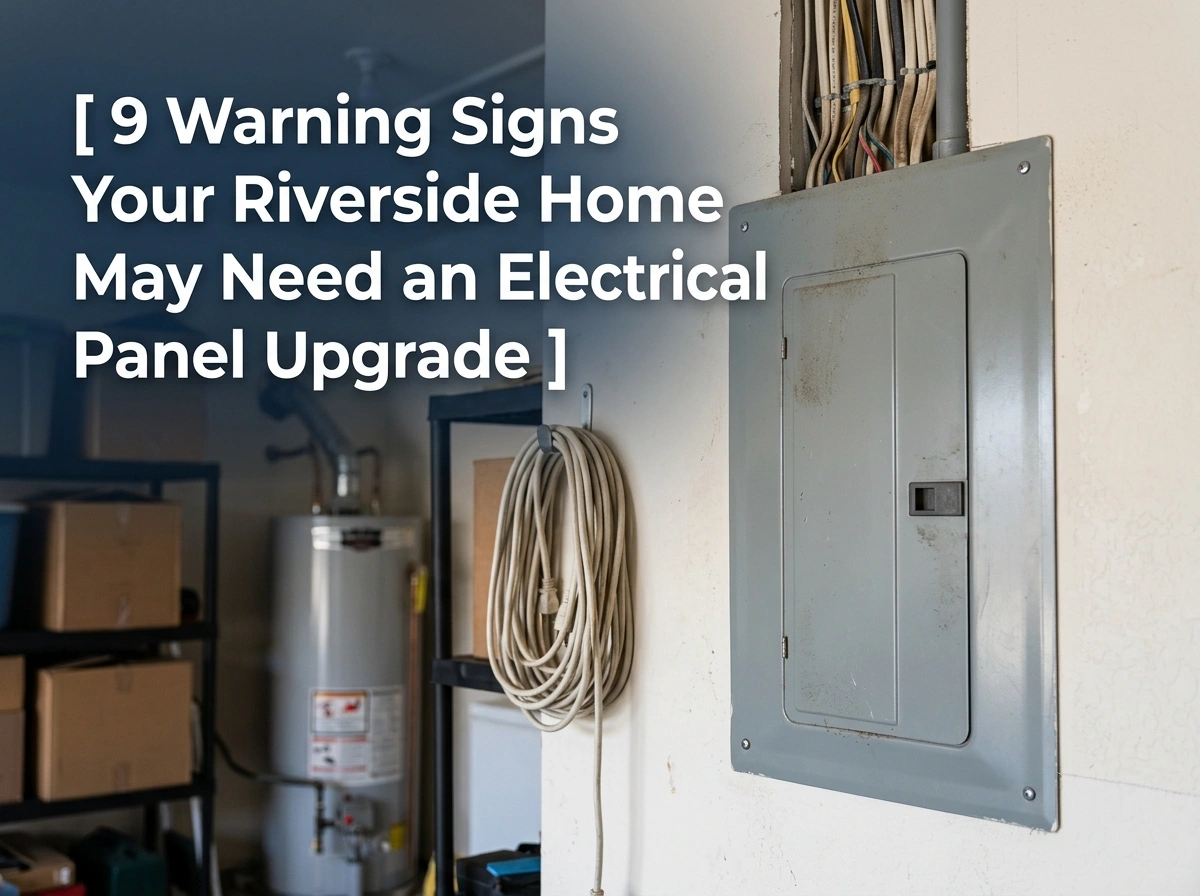
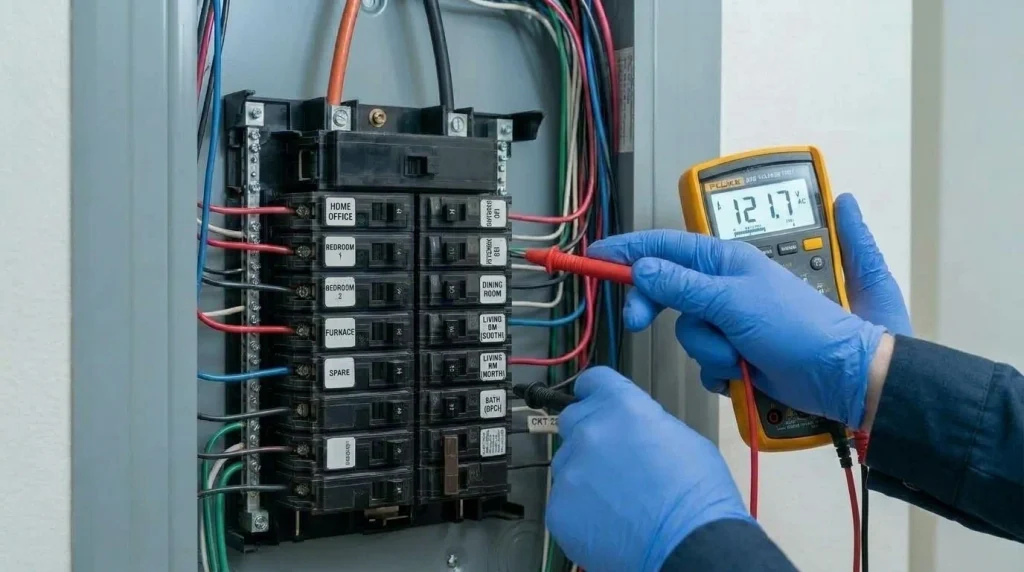
The electrical panel is used to send power throughout your home and help to safeguard individual circuits with circuit breakers. A potential panel problem is indicated by repeated breaker trips, breakers that don’t reset, corrosion, unusual heat, buzzing noises, or the panel not having enough capacity to handle additional circuits.
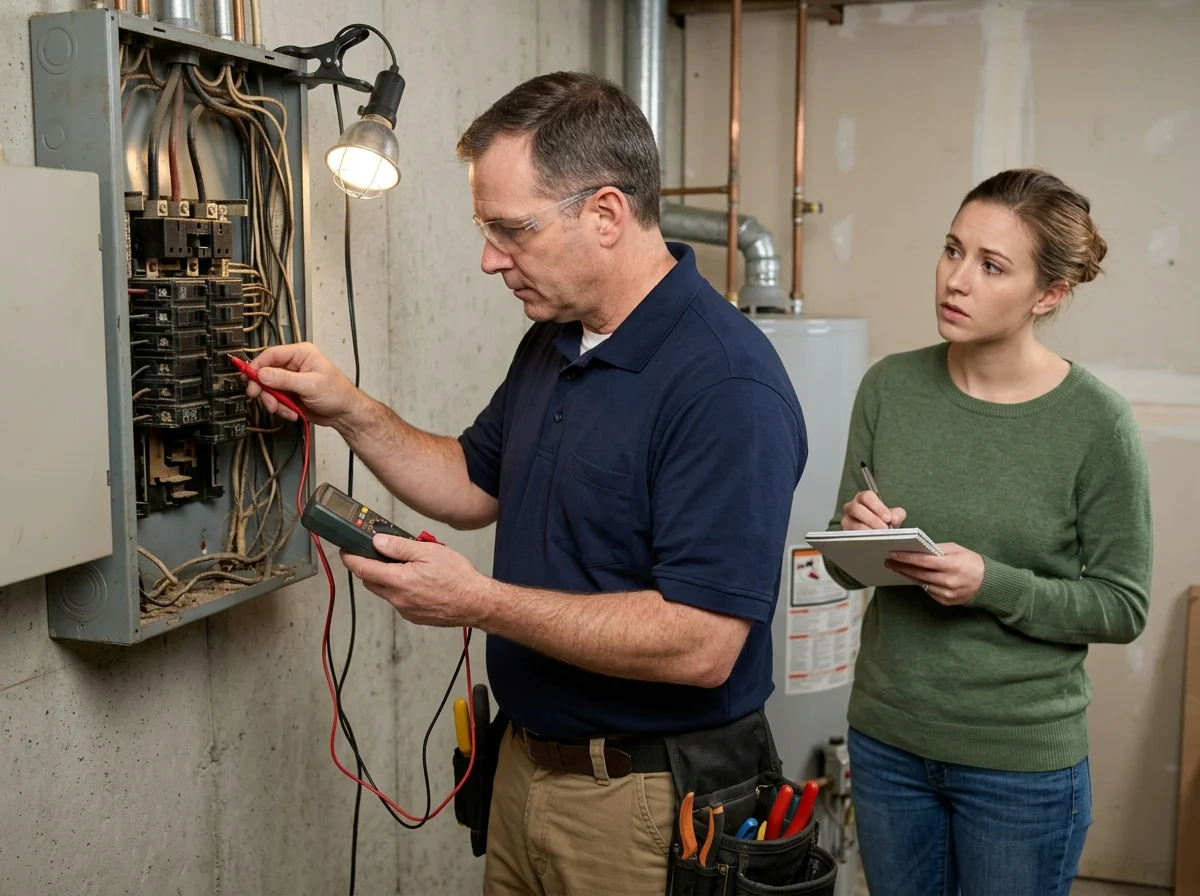
If the home has added significant electrical equipment, undergone renovations, installed an EV charger, or replaced dated electrical parts, a panel upgrade might also be recommended. A professional inspection can diagnose whether the issue is in the panel, a particular circuit, or with an appliance connected to the system.
9. Power Surges and Voltage Problems
Power surges happen when the whole electrical power system is subjected to a quick surge in voltage. These small surges can occur frequently and, over time, damage sensitive electronics. But if the surges keep happening regularly or intensely, it may indicate a bigger problem.
Possible causes include:
- Problems with an appliance
- Faulty wiring
- Electrical service issues
- Lightning
- Utility-related events
While surge protectors will help shield some of the devices to which they are connected, they will not repair damaged wiring or other electrical issues. Electrical troubleshooting is suggested whenever the lights sometimes flash brightly or dim, electronics fail to work, and/or whenever power is lost throughout the home.
10. Frequent Power Loss in Part of the Home
When power goes out across the entire neighborhood, the cause may be outside your home. However, if only one room, section, or group of outlets loses power, the problem may be within the residential electrical system.
Always inspect your electrical panel and any GFCI outlets that may be involved.
Don’t repeatedly reset breakers or replace components without understanding the problem if it persists after resetting the appropriate device. A trained electrician can determine the circuit that is affected and locate the point in the circuit where the connection failed.
When Is an Electrical Problem an Emergency?
There are some electrical issues that don’t need a regular repair appointment.
Seek urgent professional or emergency assistance when you notice:
- Smoke coming from an outlet or electrical panel
- A persistent burning smell
- Visible sparks or arcing
- Electrical components that are extremely hot
- Exposed or damaged live wiring
- Repeated shocks when using electrical equipment
- Power loss combined with signs of overheating
If there is an immediate risk of fire or electric shock, move to a safe location and contact emergency services. Never continue using an outlet, appliance, or circuit that appears to be overheating or producing smoke.
Why Electrical Maintenance Matters for Riverside Homes
Heat in the summer can put a strain on the electrical system of a home, and air conditioners make for hot days. Depending on the age and the amount of renovations that have been done to a home, it may have different electrical setups.
Older circuits simply do not have the capacity needed to support the installation of additional electrical equipment in the home, such as the installation of a larger HVAC system, a home office, modern appliances, and EV charging stations. Regular electrical checks may prevent future issues from turning into bigger problems by detecting loose connections, overloaded circuits, broken components, and more.
Fowles Electric Inc can help homeowners identify the source of electrical issues and determine the appropriate repair, upgrade, or replacement based on the condition of the home’s electrical system.
How Homeowners Can Reduce Common Electrical Problems
While homeowners should not do wiring work themselves, there are some simple rules that will help prevent unnecessary strain on the system:
- Avoid connecting multiple high-demand appliances to the same circuit.
- Do not use damaged extension cords or power strips.
- Test GFCI outlets according to the manufacturer’s instructions.
- Keep water away from electrical outlets and components.
- Have unusual electrical symptoms inspected instead of repeatedly resetting breakers.
- Consider electrical capacity before adding major appliances or EV chargers.
Small warning signs are easier to investigate before they turn into larger electrical repair projects.
Frequently Asked Questions
Why does my circuit breaker keep tripping?
Usually, your circuit breaker trips because the circuit’s overloaded, there’s a short circuit, a ground fault, a faulty appliance, or damaged wiring. It means there’s a real problem that needs fixing.
Are flickering lights a serious electrical problem?
At times, the cause is as simple as a loose bulb. But if lights keep flickering, especially all over the house or when you’re running big appliances, that points to something more serious like loose wiring, circuit overload, or other electrical issues. These are best checked by a professional.
When should I call an emergency electrician?
Don’t wait around if you see smoke, smell something burning, hear constant sparking, or feel too much heat from your outlets or electrical panel. Those are immediate warnings: call an electrician right away. And in case of fire or any real danger, call emergency services without hesitation.
Can an old electrical panel cause problems?
Absolutely. Older or damaged electrical panels just can’t keep up with modern demands. They can fail, have faulty parts, or simply become unsafe. Let a licensed electrician take a look and recommend whether it’s time for a repair or a full upgrade.
Why does one outlet work while another does not?
Your outlets might be on separate circuits, or maybe a GFCI outlet or breaker tripped and cut power downstream. Sometimes it’s just a bad connection or a broken wire stopping electricity from reaching the other outlets. Either way, it’s worth having someone check it out.
Final Thoughts: Do Not Ignore Repeated Electrical Warning Signs
Electrical problems don’t just fix themselves. If your breaker keeps tripping, lights flicker, outlets look damaged, or you smell something odd, don’t brush it off. That’s your home telling you something’s not right. Get it checked before a small issue turns into a bigger, more dangerous problem.
For homeowners in Riverside, identifying the problem early can help prevent unnecessary damage and reduce the risk of more serious electrical hazards. Fowles Electric Inc can provide professional electrical troubleshooting and help determine the right solution for your home’s specific electrical needs.