You plug in a phone charger, lamp, or kitchen appliance, but nothing happens. When an electrical outlet suddenly stops working, it can be frustrating, especially if other outlets nearby still have power. The cause might be a simple tripped breaker, a GFCI that needs resetting, or a more serious wiring problem.
Knowing what to check can help you narrow down the issue without putting yourself at risk. This guide explains why electrical outlets stop working, which basic checks are safe for homeowners, and when professional electrical troubleshooting is the better choice in Riverside, CA.
Start by Identifying How Many Outlets Have Lost Power
Before assuming that an outlet is damaged, check whether the problem affects one receptacle, several outlets, or an entire room. This distinction can help identify where the interruption may have occurred.
- One outlet not working: The receptacle may be worn, damaged, or affected by a loose connection.
- Several outlets in one room: A tripped breaker, GFCI, or circuit issue may be responsible.
- Outlets in multiple rooms: The problem could involve a shared circuit, electrical panel, or broader power supply issue.
Unplug devices from the affected outlets and check whether nearby lights or appliances are also without power. If you notice burning smells, sparks, smoke, unusual heat, or buzzing, stop investigating and arrange professional help.
Common Reasons Electrical Outlets Stop Working
A dead electrical outlet does not always mean the receptacle itself has failed. The interruption may originate elsewhere in the circuit.
1. A Tripped Circuit Breaker
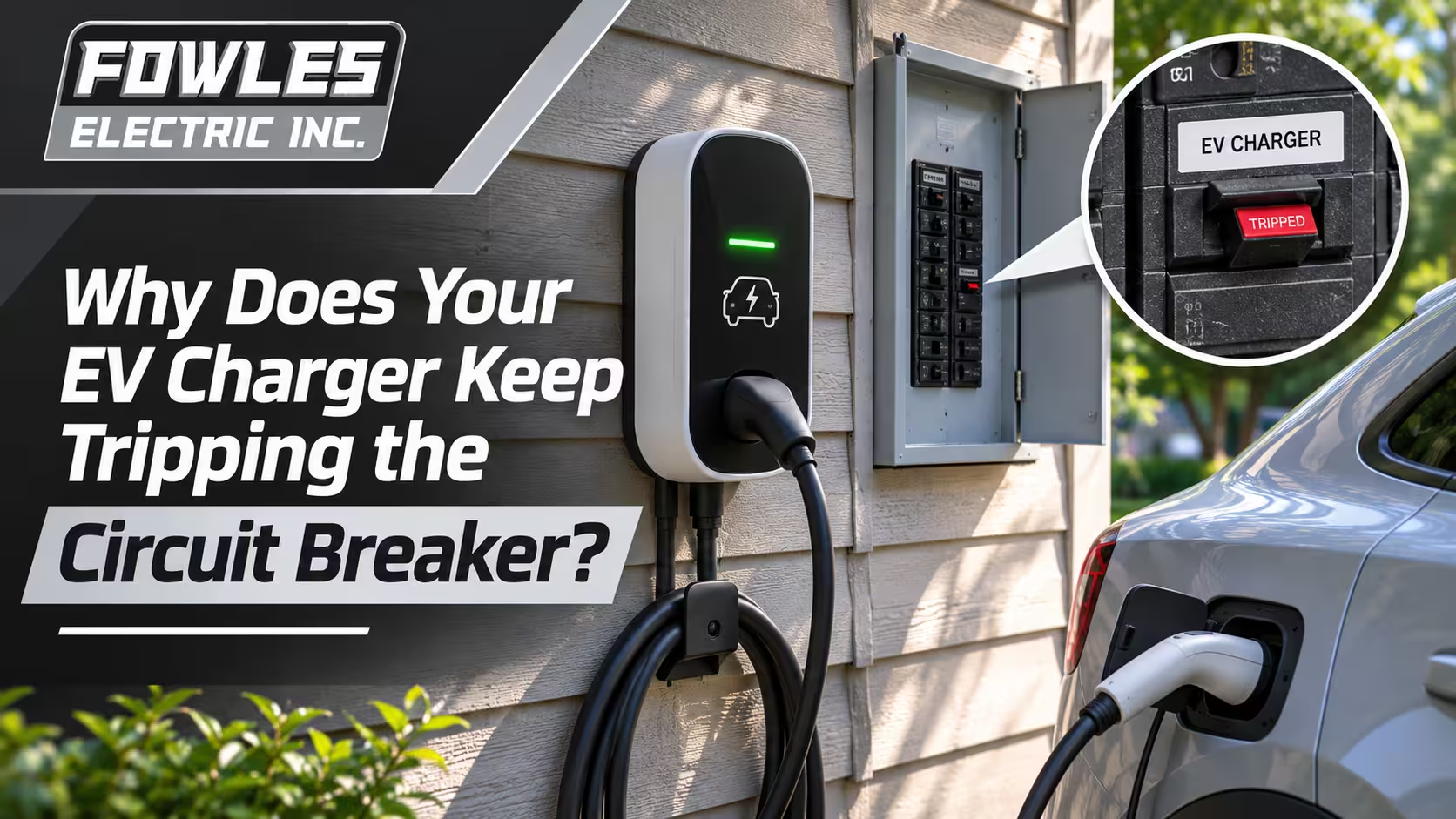
A circuit breaker shuts off power when it detects an overload or certain electrical faults. Running several high-demand appliances on the same circuit can cause it to trip.
Check your circuit breaker panel for a switch that is sitting between the ON and OFF positions or appears out of line with the others. If there are no warning signs of damage, you can move the affected breaker fully to OFF and then back to ON once.
If it trips again, leave it off. Repeated tripping can indicate an overload, short circuit, or wiring problem that needs professional attention.
2. A Tripped GFCI Outlet
Ground-fault circuit interrupter (GFCI) outlets are commonly installed in areas where electrical equipment may encounter moisture, including bathrooms, kitchens, garages, and outdoor spaces.
A GFCI can interrupt power to itself and other outlets connected downstream. If a wall outlet has no power, check nearby GFCI devices and look for the RESET button.
Only press RESET if the outlet is dry, undamaged, and free of warning signs. If it will not reset or trips again, do not keep trying. A wiring fault, faulty GFCI, or connected equipment may be causing the problem.
3. A Blown Fuse or Older Electrical System
Some older properties use fuse-based electrical panels instead of modern circuit breakers. A blown fuse interrupts power to the circuit it protects.
A fuse that has blown should never be replaced with one carrying a higher rating. The correct replacement must match the circuit requirements. If you are unsure which fuse is responsible or why it failed, have an electrician inspect the system.
4. Loose Wiring or a Faulty Receptacle
Electrical connections can loosen over time because of aging components, repeated use, or improper installation. A damaged receptacle may also develop worn internal contacts that no longer hold a plug securely.
Warning signs include:
- Plugs that fall out easily.
- Crackling or buzzing sounds.
- Discoloration around the outlet.
- A receptacle that feels unusually warm.
- Intermittent power when a plug moves.
Do not remove the outlet cover or attempt to tighten wires while investigating. Loose hot, neutral, or ground connections can create shock and fire hazards. Have a qualified electrician inspect the outlet and its wiring.
5. An Overloaded Circuit or Electrical Short
An overloaded circuit occurs when connected devices demand more power than the circuit can safely supply. Space heaters, microwaves, and other high-demand appliances can contribute when used together on an unsuitable circuit.
An electrical short circuit is different: it involves an unintended connection between conductors, which can cause a sudden surge of current and trip a breaker. If an outlet repeatedly loses power, avoid reconnecting appliances to test it. The underlying fault needs to be identified first.
Safe Electrical Outlet Troubleshooting You Can Do
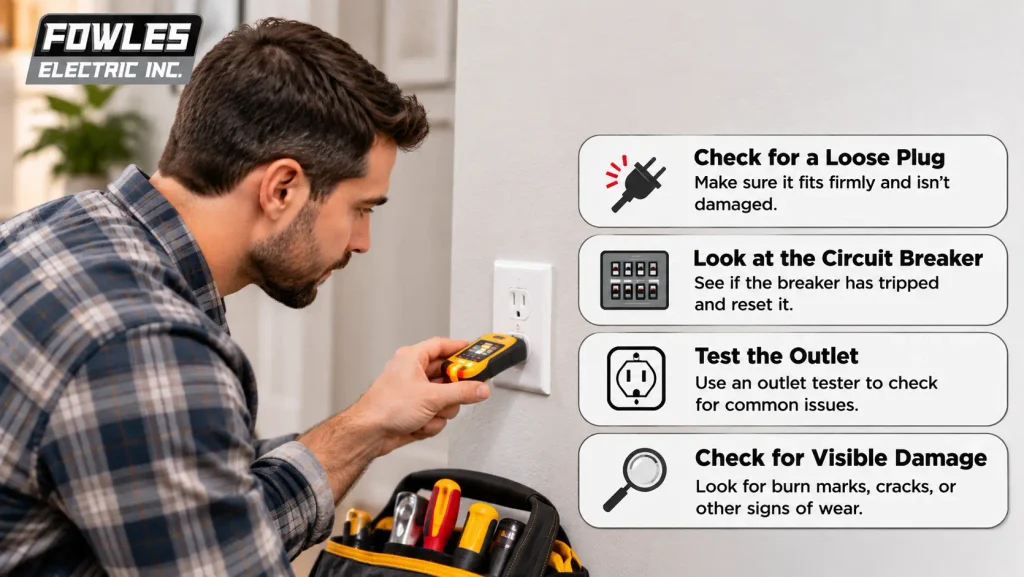
Homeowners can perform a few basic checks without opening electrical equipment or handling wiring.
- Unplug connected devices. Remove appliances from the affected outlets so a faulty device is not contributing to the problem.
- Check nearby outlets. See whether the power loss affects one receptacle or a larger area.
- Look for a GFCI. Check accessible GFCI outlets in nearby rooms and reset only a dry, undamaged device.
- Inspect the breaker panel externally. Look for a visibly tripped breaker, but do not touch exposed wiring or remove the panel cover.
- Stop if the problem returns. A breaker or GFCI that trips again needs further investigation rather than repeated resetting.
Avoid using a multimeter or voltage tester unless you know how to use the equipment safely. Testing electrical receptacles involves exposure to live voltage, so it is not a necessary DIY step for diagnosing a suspected fault.
Why Riverside Homes and Businesses Need Proper Electrical Repairs
A dead outlet can affect more than household convenience. In a home, it may interrupt access to essential appliances or charging points. In a workplace, a failed receptacle can disrupt equipment, customer service, or daily operations. Commercial outlet planning also needs to account for equipment loads and the demands placed on individual circuits.
Riverside has adopted the 2025 California Building Standards Code, including the 2025 California Electrical Code, effective January 1, 2026. The city lists electrical outlet replacements among certain minor repairs that may be exempt from permits. However, adding circuits, changing wiring configurations, or carrying out broader electrical work may have different requirements. Confirm permit needs with the City of Riverside before starting a larger project.
When Should You Call an Electrician?
Call a qualified electrician when a breaker or GFCI repeatedly trips, several outlets lose power without an obvious cause, or an outlet shows signs of overheating or physical damage. Professional troubleshooting is also appropriate when the problem involves inaccessible wiring, a junction box, or an electrical panel.
Do not use an outlet that sparks, smells burnt, feels hot, or makes unusual sounds. If you see smoke or active sparking, keep away and contact emergency services when necessary.
For homeowners and businesses dealing with persistent outlet problems in Riverside, Fowles Electric Inc can help identify the source of the issue and provide the appropriate repair. Electrician selection matters when electrical work involves safety, code requirements, and the condition of existing wiring.
Frequently Asked Questions
Why is one electrical outlet not working when others are fine?
A single dead outlet may have a failed receptacle, loose wiring, or a connection affected by another device on the same circuit. A nearby GFCI may also have interrupted its power. The outlet may need professional testing to identify the exact cause.
Can a GFCI outlet cause other outlets to stop working?
Yes. Some standard outlets are connected downstream from a GFCI receptacle. When that GFCI trips, it can interrupt power to those outlets as well. Check accessible GFCI devices nearby, but do not reset one that is wet, damaged, or repeatedly tripping.
Is an electrical outlet that suddenly stops working dangerous?
It can be. A tripped breaker may simply indicate an overload, but loose connections, short circuits, and damaged receptacles can create shock or fire risks. Stop using an outlet if it is hot, discolored, buzzing, or producing a burning smell.
Should I replace a dead electrical outlet myself?
Replacing a receptacle involves working with electrical wiring, so it is not a suitable task for someone who is unfamiliar with electrical safety. A qualified electrician can determine whether the receptacle has failed or whether the actual problem is elsewhere in the circuit.
What should I do if multiple outlets are not working in one room?
Unplug devices and check whether an accessible GFCI or circuit breaker has tripped. If power does not return after a safe, single reset, or the breaker trips again, leave the circuit off and arrange an electrical inspection.
Final Thoughts: Do Not Ignore Outlets That Lose Power
When electrical outlets stop working, the cause may be a tripped breaker, GFCI interruption, overloaded circuit, or damaged wiring. Basic external checks can help narrow down the issue, but repeated power loss and signs of overheating should never be ignored.
If an outlet remains dead or the problem keeps returning, professional troubleshooting can help restore safe, dependable power. Fowles Electric Inc can help Riverside property owners identify persistent outlet problems and determine the appropriate electrical repair.