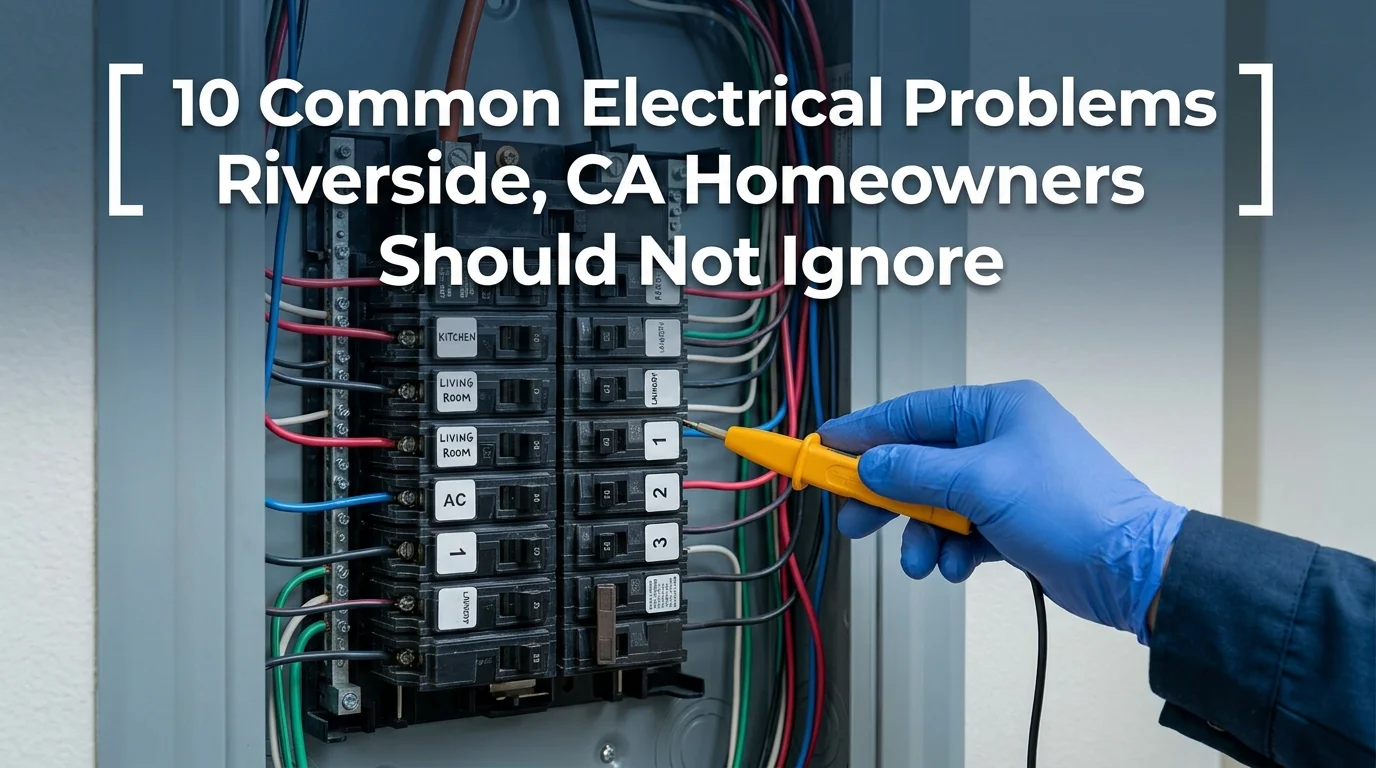
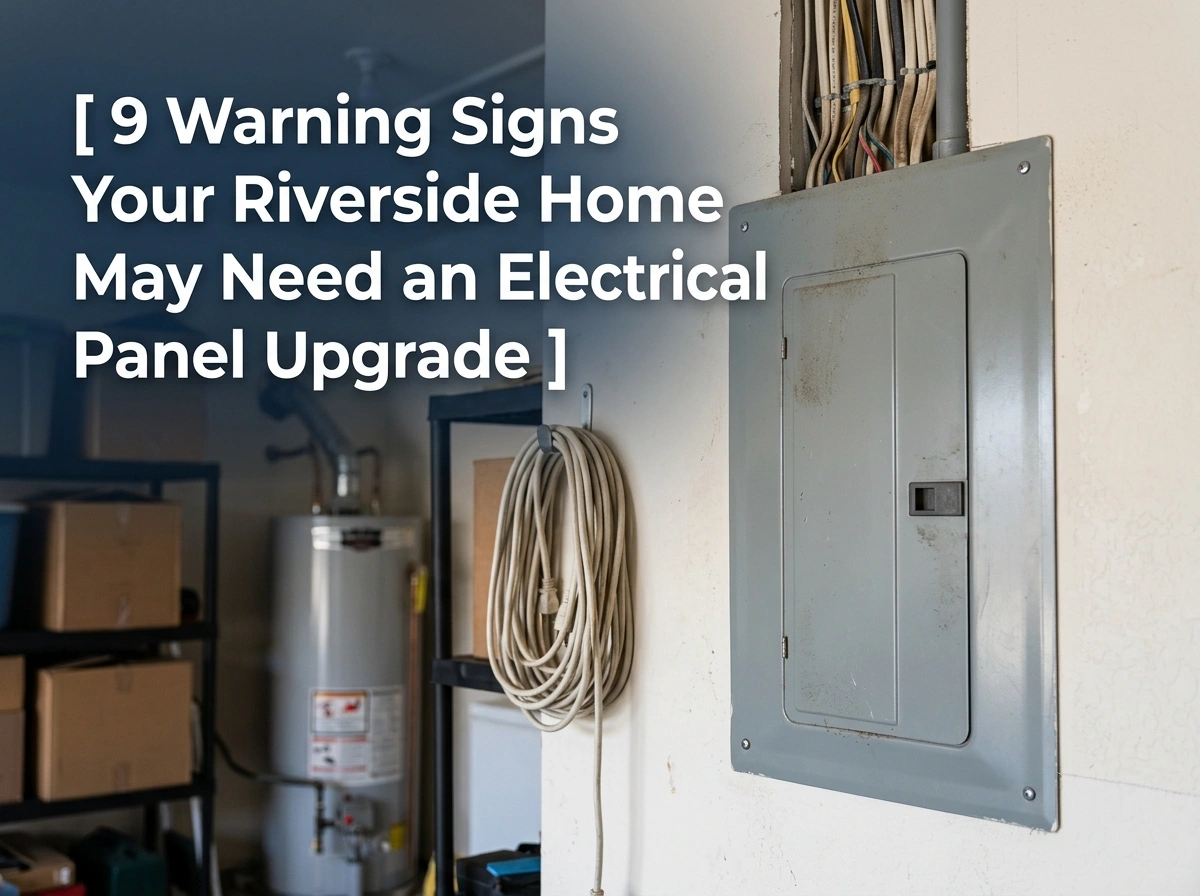
The electrical panel of your home is designed to spread electricity around your home and to safeguard circuits from overloading. If the panel is running out of capacity, has been damaged, or is unable to meet your electrical needs, it’s time to see a professional.
Over the years, many homes in Riverside have undergone updates that include new appliances, new air conditioning, new home office spaces, larger entertainment areas, and EV charging stations. These additions may add to the electrical load that an older electrical system was not designed to accommodate.
If you are wondering whether you need an electrical panel upgrade in Riverside CA, these nine warning signs can help you understand when a professional inspection makes sense.
1. Your Circuit Breakers Trip Frequently
A circuit breaker is a safety device that is intended to stop electrical current from flowing through its circuit when it senses an overload or some electrical faults. A frequent occurrence can be a result of having too many appliances with a high demand on a single circuit.
But you can’t shrug off frequent breaker trips. The result may be that the circuits are overloaded, the wiring is damaged, the breaker is bad, or there is a lack of electrical capacity.
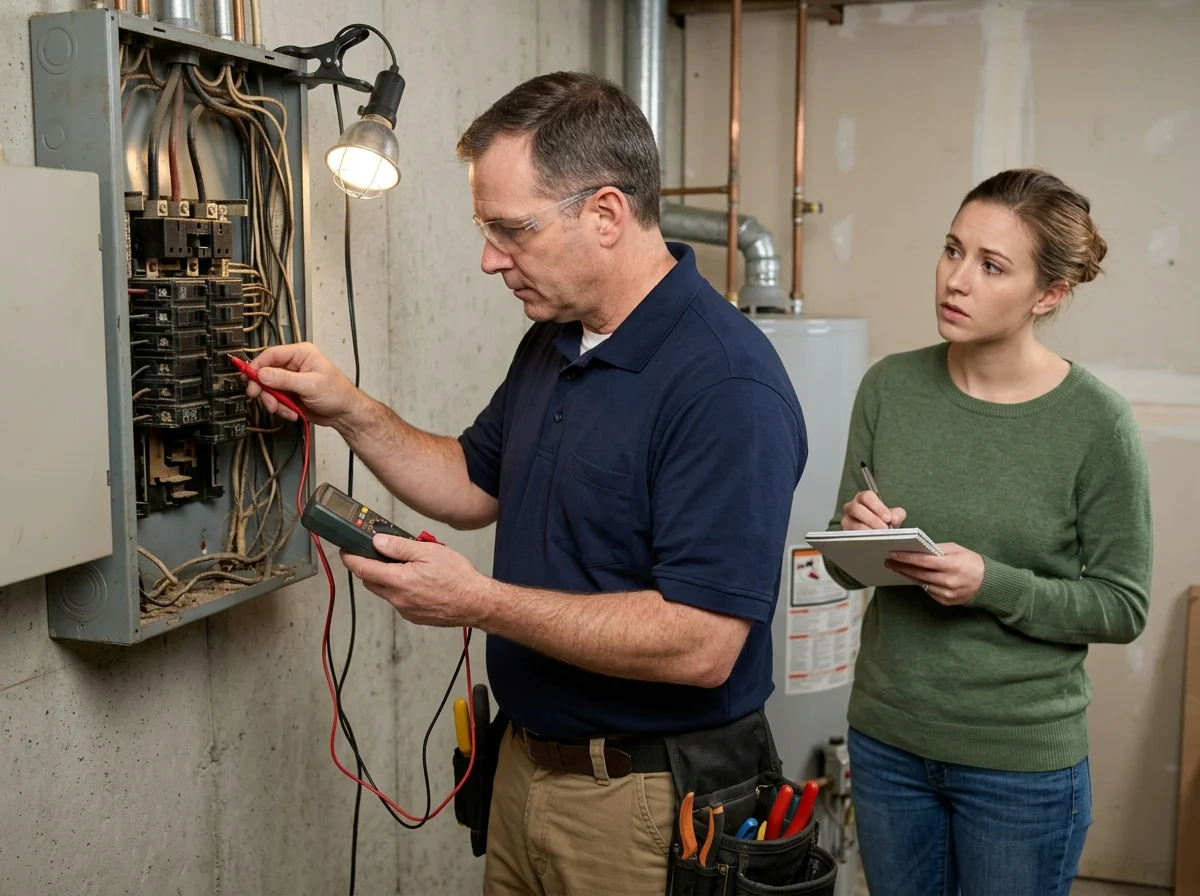
If the breaker is continually tripping and no cause is found, the problem might remain. A licensed electrician can test the circuit and identify whether the problem is isolated or if it is a problem with the main service panel.
2. Lights Fade or Flicker as Appliances Start Up
A loose and/or near-End-of-Life light bulb can flicker. However, if the light dims or flickers in the house when the air conditioner, refrigerator, microwave, or other large appliance is switched on, the home’s electrical system may require service. This may indicate that the voltage is dropping, the circuits are overloaded, the connections are loose, or there is an overloaded service capacity problem.
The key point is that it is a problem with one fixture or more than one area in the house. If flickering is widespread or repeated, it’s a good idea to get a professional opinion.
3. You Are Constantly Using Power Strips and Extension Cords
Power strips are great for electronics but not a substitute for power outlets or circuits. If needed, an electrical panel upgrade can provide space for additional circuits, making it easier to handle new electrical loads. But the proper answer depends on the condition of the existing panel, electrical load, and wiring of the home.
If needed, an electrical panel upgrade can provide space for additional circuits, making it easier to handle new electrical loads. But the proper answer depends on the condition of the existing panel, electrical load, and wiring of the home.
4. Your Electrical Panel Is Old or Outdated
For older homes, the electrical panel may have been built decades ago when there was significantly less electrical demand. Some houses may still have a fuse box instead of a circuit breaker box. Some might have old equipment that can’t adequately meet the capacity, reliability, and circuit space requirements of the home.
Just because something is old doesn’t mean it requires replacement. The condition, capacity, manufacturer, maintenance history, and demand of the panel must all be taken into account. The best way to decide if an older panel is safe and effective or if it needs to be replaced is to have a professional inspection.
5. The Panel Feels Warm or Shows Signs of Damage
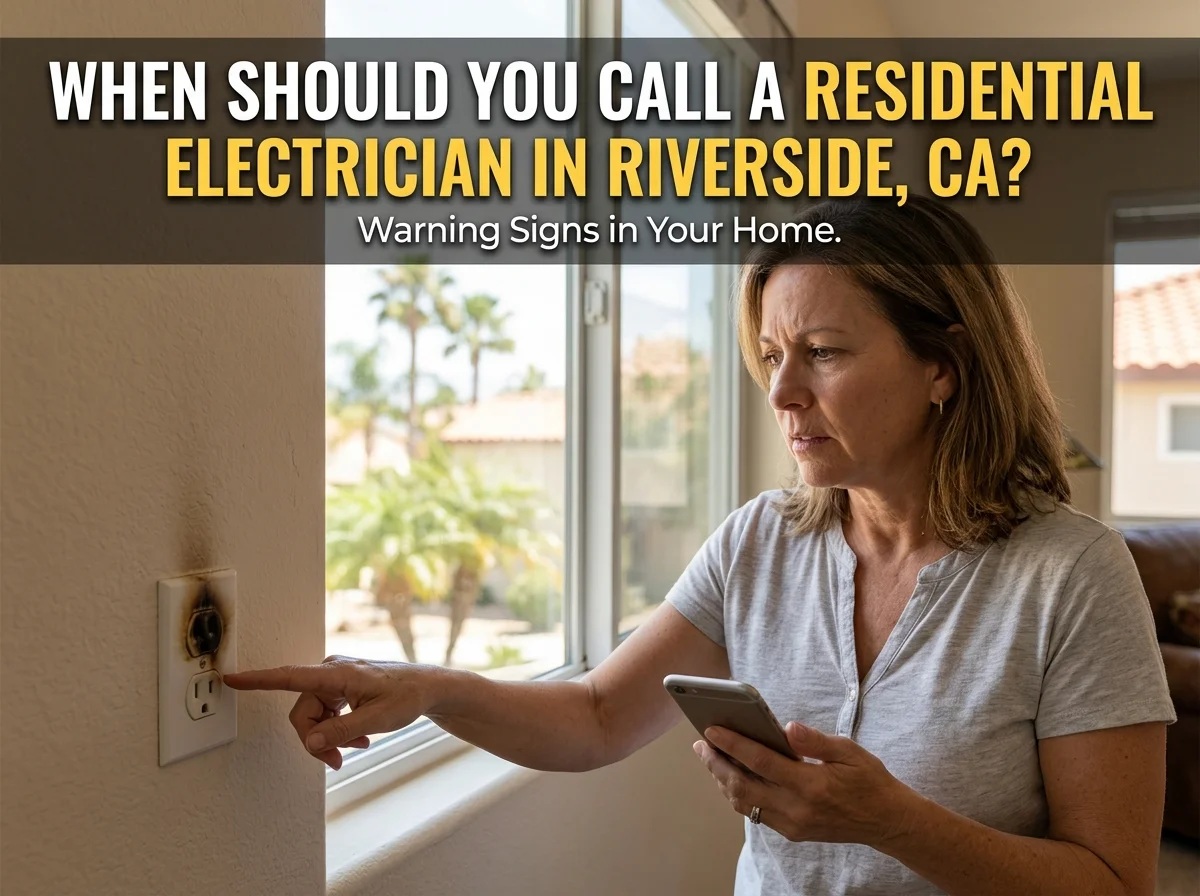
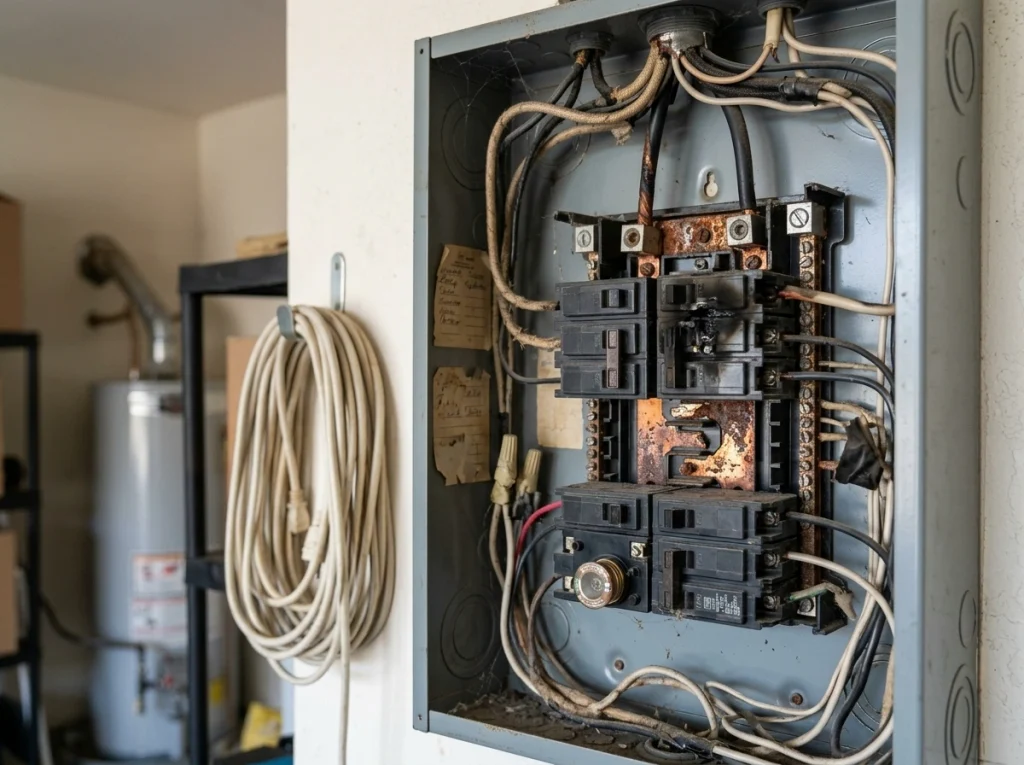
Your electrical panel should not show signs of overheating. If you notice excessive heat, a burning smell, scorch marks, melted components, corrosion, or unusual buzzing sounds, stop treating the issue as routine maintenance.
These warning signs can indicate loose connections, damaged breakers, internal overheating, or other conditions that require prompt attention. Don’t take the panel cover off or attempt to repair parts inside without the proper training. Any panel has parts that are energized and can cause a serious shock or fire hazard if handled improperly.
6. You Have No Room for Additional Breakers
When you need to install a new circuit, you may encounter a problem with a full electrical panel.
For example, adding a workshop, expanding your home, installing an EV charger, or bringing in a major appliance may call for a dedicated circuit. If every available breaker space is already occupied, the electrical system may need modification.
A sub-panel may be needed in some instances. In other cases, it makes more sense to upgrade the main service panel. The right selection will depend on the available service capacity and overall electrical load. Just because more breakers are added does not necessarily mean the home’s electrical service is capable of accommodating the increased demand.
7. You Still Have a Fuse Box
In older electrical systems, fuse boxes were used. A fuse system is not necessarily unsafe, but a fuse box might not have sufficient capacity or flexibility for contemporary households. Older systems can also lead to future electrical projects becoming more complicated, particularly when homeowners are considering installing larger appliances or new equipment.
Installing a circuit breaker panel can be more convenient and offer greater flexibility in circuit expansion as opposed to a fuse box. An electrician can give a comprehensive assessment of the overall electrical service before suggesting that the electrical service needs to be replaced.
8. Planning a Major Electrical Addition, Like an EV Charger
Modern electrical upgrades can significantly increase a home’s power demand. Level 2 EV chargers, electric stoves, heat pumps, hot tubs, shop equipment, and certain HVAC systems often need their own circuits. Before installation, the home’s electrical capacity should be evaluated.
One of the questions many homeowners ask is whether they’re automatically required to upgrade to 200-amp service. This is dependent on the electrical load calculations and existing equipment in the home. A larger service is not automatically necessary for every property.
A professional inspection will look to see if there is enough space for your existing panel or if you need an electrical service upgrade.
9. Your Home Has Ongoing Electrical Problems
Not all electrical problems are signs of a failing panel. However, if several problems recur, this should indicate that the electrical system warrants a closer examination.
Common examples include:
- Frequent breaker trips
- Repeated flickering or dimming lights
- Dead outlets
- Warm switches or receptacles
- Unexplained power loss
- Buzzing sounds from electrical equipment
- Burning electrical odors
- Circuits that cannot support normal household use
If you have several warnings, switching out one outlet or circuit breaker might not solve the problem. A qualified electrician will be able to examine the electrical panel, circuits, wiring, electrical grounding, and electrical load and determine what is actually causing the issue.
100 Amp vs. 200 Amp Service: What Is the Difference?
The numbers are the maximum electrical service sizes that can be provided to the home.
For some lower-demand, smaller homes, a 100-amp service may still be sufficient. But large electrical loads such as a home with central air conditioning, electric appliances, or an EV charger might need more capacity.
The 200-amp service will have more capacity for modern electrical demands and extra circuits. It is not a requirement for all Riverside residences to be upgraded to 200 amps. The decision should be based on a proper load calculation and inspection of the existing electrical system.
| Service Consideration | 100-Amp Service | 200-Amp Service |
| Electrical capacity | Lower | Higher |
| Room for future loads | May be limited | More flexibility |
| Suitable for all homes? | Depends on electrical demand | Depends on electrical demand |
| EV or major upgrades | May require evaluation or upgrade | May provide more available capacity |
What Happens During an Electrical Panel Upgrade?
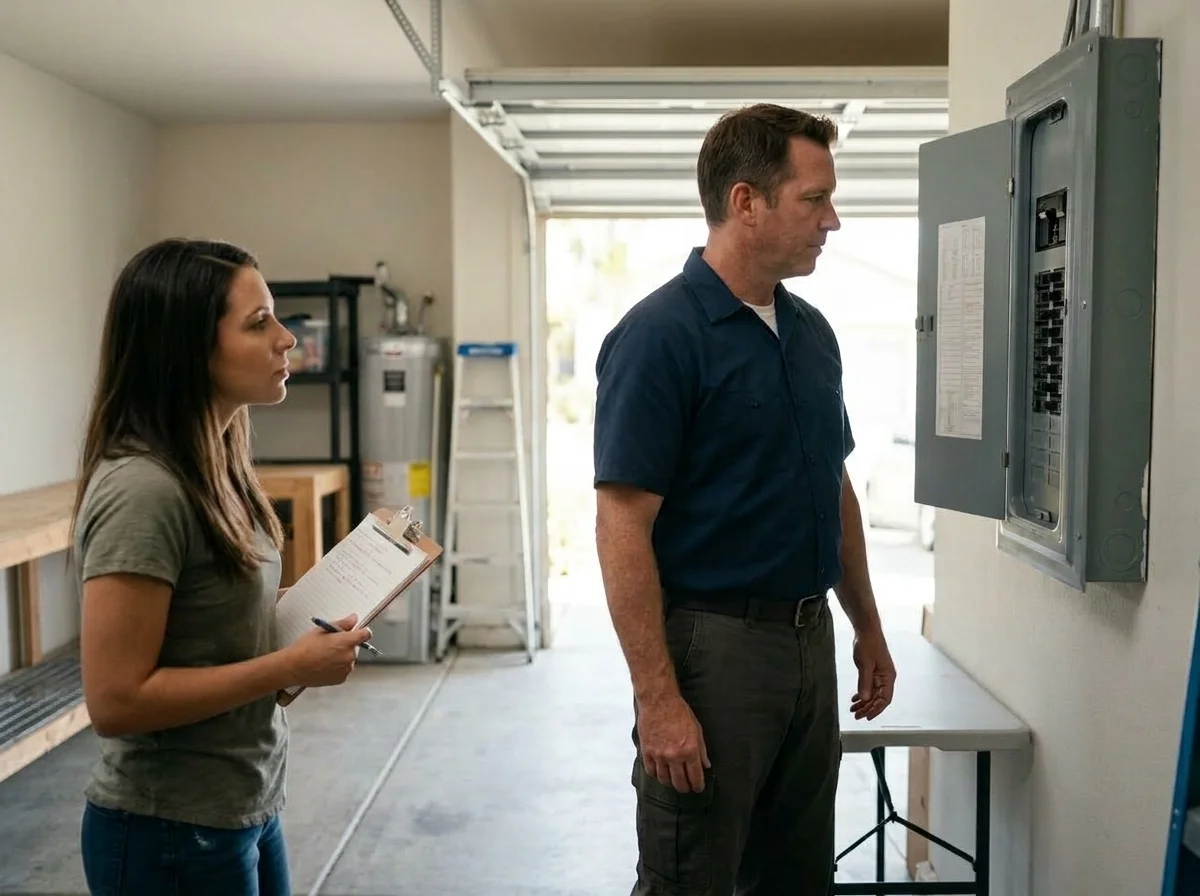
A professional panel upgrade usually begins with an inspection of the existing electrical system. The electrician evaluates the panel condition, service size, electrical load, wiring, grounding, and the reason for the upgrade.
This can include replacing a breaker panel, installing a new breaker panel, updating service equipment, or working with utilities for a service upgrade. There may also be permitting and inspection requirements as well. Permits will be required from the City of Riverside, CA, for any electrical work that applies, and any projects must meet current building and electrical requirements.
The duration of the upgrade will be dependent on the amount of work needed. Changing a panel is a simple job that could be done faster than a service change, which may involve extra equipment, coordination of utilities, or electrical work.
For homeowners who are unsure where to start, Fowles Electric Inc can inspect the existing electrical system and help determine whether a panel upgrade, repair, or another solution is appropriate.
When Should You Call a Licensed Electrician?
Call a professional promptly if you notice burning smells, scorch marks, excessive heat, repeated breaker trips, buzzing from the panel, or visible damage. It is also important to have an evaluation before a big remodel or when new electrical appliances like an EV charger or HVAC equipment are being added to the building.
Electrical panels are not a good DIY project. They include high-voltage equipment, electrical service connections, safety considerations, and permitting and inspection considerations.
A professional assessment can help prevent unnecessary upgrades while identifying situations where the existing electrical system no longer meets your home’s needs.
Frequently Asked Questions
How do I know if my electrical panel needs to be upgraded?
Common warning signs include frequent breaker trips, flickering lights, overheating, burning smells, visible damage, not enough breaker space, and not enough breaker capacity for new equipment. A trained electrician can look at the system and see if the panel itself is the problem or if there is another electrical problem causing the issue.
Does every Riverside home need a 200-amp electrical panel?
No. Modern homes typically have a 200-amp service, but the correct service size is dependent upon the electrical load and equipment in the home. A load calculation can determine if 100 amps is enough or if a bigger electrical service upgrade is needed.
How long does an electrical panel upgrade take?
It will depend on the work that needs to be done. A basic panel replacement service can be faster than co-ordinating utilities, installing new service equipment, obtaining permits, and/or making other electrical repairs as part of a service upgrade.
Can I add an EV charger without upgrading my panel?
Possibly. You need an electrician to assess your current panel capacity and estimate how much more electrical load you will require. Depending on the home, there may be enough room, or a panel or service upgrade may be required prior to the safe installation of a Level 2 charger.
Final Thoughts: Do Not Ignore Electrical Panel Warning Signs
An electrical panel upgrade is not something every homeowner needs immediately. However, if you’re getting a lot of breaker trips, your equipment is overheating, you’re running out of space in the circuit, or your electrical needs are growing, it’s time for professional help.
If your Riverside home is showing one or more of these warning signs, Fowles Electric Inc can help evaluate your electrical system and recommend the appropriate next step. Addressing electrical capacity or panel problems early can help improve reliability and reduce the risk of more serious issues.