A whole house surge protector installation usually costs a few hundred dollars for a normal home, although the price can be higher if the electrical panel needs extra work. Current national cost data puts many installations between about $70 and $700, with an average near $300. Southern California prices can run a little higher. These are planning figures, not a fixed Redlands quote. The final cost depends on the surge protector, panel setup, breaker space, labor, and any other electrical work needed.
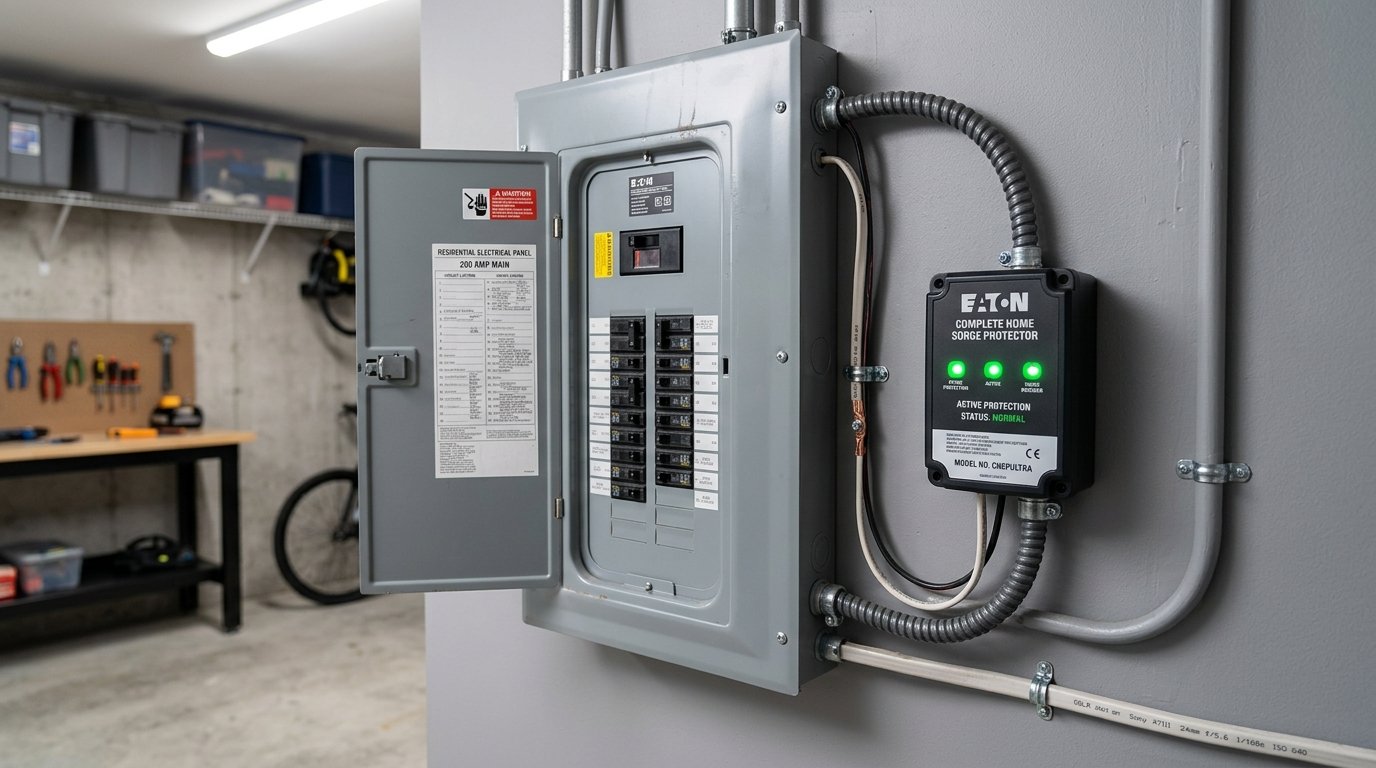
A whole-home surge protector is installed at or near the main electrical panel. It helps control short bursts of high voltage before they reach appliances and electronics around the house. It can help protect items that normal plug-in strips do not cover, such as air conditioning equipment, refrigerators, washers, dryers, lighting, and other hardwired equipment.
For Redlands homeowners, the main questions are simple. What type of device do you need? How much will installation cost? Will it work with your current panel? This guide answers those questions without making the subject more technical than it needs to be.
What Does a Whole House Surge Protector Do?
A surge protector helps limit a sudden rise in electrical voltage. These short voltage spikes can come from events outside or inside the electrical system. Lightning and utility switching are two examples. Equipment inside a property can also create smaller electrical surges. A surge protective device, often called an SPD, sends or limits that extra electrical energy so less of it reaches equipment in the home.
A whole-home unit works differently from the power strip under your desk. It connects much closer to the electrical service and protects many circuits at once. This makes it useful for equipment that cannot simply be plugged into a surge strip. A central air conditioner is a good example. The same is true for many ovens, dryers, lighting circuits, and other hardwired systems.
A whole home surge protector installation does not make a house safe from every possible electrical event. Think of it as another layer of protection for the electrical system rather than a promise that nothing can ever be damaged.
How Much Does Whole House Surge Protector Installation Cost?
Current national data places the typical whole house surge protector installation cost between about $70 and $700, with an average close to $300. Recent Los Angeles-area data from Angi shows a broader local range of about $80 to $795, with an average around $341. Redlands homeowners should use these numbers only for early budgeting because the actual quote depends on the home and panel.
The device itself is only part of the price. Labor also matters. Some panels are easy to work with and already have the right space. Others may be crowded or may need changes before the device can be added. The type of SPD also changes the cost. A simple residential unit will not always cost the same as a larger unit made for higher surge levels or outdoor mounting.
The best way to understand the whole house surge protector cost to install is to have the electrical panel checked first.
What Changes the Installation Cost?
The surge protector itself may not be the most expensive part of the job. Panel condition and installation needs can have a bigger effect on the final bill.
The Type of Surge Protector
Whole-home surge protectors come in different types. For residential use, Type 1 and Type 2 devices are the main options used near the electrical service.
A Type 1 SPD can be placed on the line side or load side of the main service disconnect, depending on the device and setup. A Type 2 unit is installed on the load side of the main service equipment. In simple terms, both can provide whole-home protection, but they connect to the electrical system in different places.
Homeowners do not need to choose based on the name alone. The electrician should look at the panel, service layout, product listing, and manufacturer instructions before picking the right device.
Breaker Space and Panel Setup
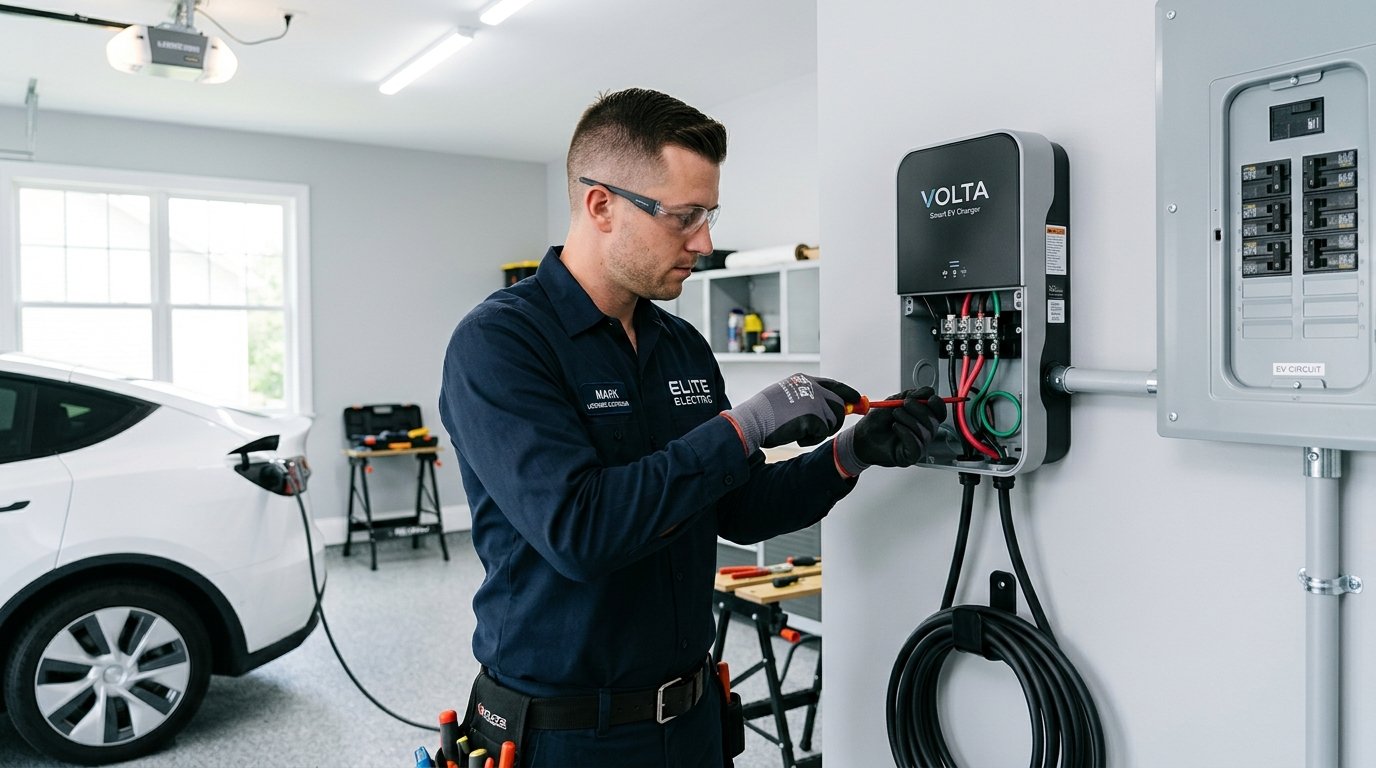
Many home surge protection installations involve work at the main electrical panel. Depending on the device, the electrician may need breaker space and a proper connection point.
A panel with enough room can make the job simple. A crowded panel may need more planning. The electrician should not add a panel upgrade just because a surge protector is being installed, but the panel should still be checked for damage, capacity, and safe working space.
If your panel already has problems or you are planning other upgrades, it may make sense to deal with both jobs together. Fowles Electric’s electrical panel upgrade service explains when a larger panel project may be worth considering.
Indoor or Outdoor Installation
Some electrical panels are inside the home, while others are outside. The surge protector has to be suitable for the place where it is installed.
Outdoor equipment may need an enclosure made for rain, dust, and changing weather. This can change the product price. Angi’s current cost guide also notes that the enclosure rating is one factor that can affect the price of a whole-home unit.
That does not mean an outdoor panel always makes the job expensive. It simply means the electrician needs to choose equipment made for that location.
What Is the Difference Between Type 1 and Type 2 Surge Protectors?
Type 1 and Type 2 surge protectors both help protect an electrical system, but they are installed in different parts of it. A Type 1 SPD can be installed ahead of or after the main service disconnect when the product and system allow it. A Type 2 SPD is installed after the main service protection, usually at a panel.
For most homeowners, there is no need to turn this into a product-shopping project. A licensed electrician can check the service and select a listed device that fits the panel and current electrical rules.
The product should also be properly listed for surge protection. Eaton notes that residential SPDs are commonly tested to UL 1449, the main safety standard used for these devices.
Will a Whole House Surge Protector Protect Everything?
It can help protect many parts of the home, but no surge protector can promise complete protection from every electrical event.
A panel-mounted SPD helps reduce voltage spikes across the home’s electrical circuits. That can add protection for TVs, computers, smart-home equipment, appliances, HVAC equipment, and other electronics. Eaton also recommends layered protection, with surge protection at the electrical service and point-of-use protection for sensitive equipment.
That means you do not have to throw away every good surge strip after installing a whole house surge protector. The two can work together.
For example, the whole-home device can provide protection at the panel while a quality surge strip gives another layer of protection to a desktop computer or home entertainment system.
Is Whole Home Surge Protection Required by Electrical Code?
Surge protection has become a bigger part of modern electrical code.
NEC Article 230.67 requires a Type 1 or Type 2 surge protective device for services supplying dwelling units under the covered code rules. The 2023 NEC also kept and expanded surge-protection requirements. California’s current 2025 Building Standards Code, including the California Electrical Code, took effect on January 1, 2026.
That does not mean every existing Redlands home must immediately add a surge protector simply because it does not have one. Code requirements can depend on the type of work being done, such as new service equipment or changes to an existing electrical system.
If you are replacing a panel or making major service changes, ask the electrician how the current California Electrical Code applies to the project.
Does a Surge Protector Help During Power Outages?
A whole-home surge protector does not keep the lights on during an outage. It is not a battery or generator.
Its job is different. It responds to short voltage spikes in the electrical system. Those spikes can happen for several reasons, including utility switching and other electrical events.
This distinction matters because homeowners sometimes mix surge protection with backup power. If the power goes out, the SPD does not provide electricity. A backup generator or battery is used for that job.
The surge protector is there to help protect electrical equipment from certain voltage spikes. It is a protection device, not a source of backup power.
Why Does Surge Protection Make Sense for Modern Homes?
Homes now contain far more electronics than they did a few decades ago. Even common appliances often have electronic controls inside them. Refrigerators, ovens, air conditioners, washers, dryers, smart switches, Wi-Fi equipment, TVs, and security systems can all contain sensitive electronic parts.
A plug-in surge strip can help with a computer or television, but it cannot protect equipment that is wired straight into the home’s electrical system. Whole-home protection works at the panel, so it can cover a much larger part of the house.
This is one reason whole house surge protector installation has become more common when homeowners update an electrical panel or other parts of the electrical system.
Does Your Electrical Panel Need an Upgrade First?
Usually, no. A surge protector can often be added to an existing panel if that panel is in good condition and the chosen device can be installed correctly.
The electrician still needs to inspect the panel. A damaged panel, unsafe past work, lack of breaker space, or other electrical problems may need attention before the SPD is installed.
Those issues should be explained separately. You should not be told that a full panel replacement is automatically required just because you want surge protection.
If you already have breakers that trip, signs of heat, damaged wiring, or other problems, the electrical repair service from Fowles Electric may be more relevant before adding new equipment.
What Should You Look for in a Whole House Surge Protector?
You do not need to become an electrical expert before calling an electrician. Still, it helps to know a few basic things.
Ask about:
- Whether the device is Type 1 or Type 2
- Whether it is listed to UL 1449
- Where it will be installed
- Whether your panel has the space it needs
- How you can tell if the device is still working
- The product warranty
- Whether any other electrical work is required
Many current surge protectors have a small light that shows the device’s status. The electrician should explain what that light means and what you should do if it changes or goes out.
The goal is not to buy the device with the biggest number on the box. It is to install the right listed product for your home’s electrical system.
Can You Install a Whole House Surge Protector Yourself?
For most homeowners, this should be an electrician’s job.
A whole house surge protector install involves working in or near the main electrical panel. That area can remain dangerous even when some breakers are switched off. A mistake can also damage the new device or create a problem inside the panel.
Professional installation also helps make sure the device is connected the way its maker requires. Surge protector makers such as Eaton and Schneider provide specific installation rules for their equipment.
If you are looking for whole house surge protector installation near me in Redlands, choose an electrician who can inspect the panel before recommending the device rather than simply installing the first unit available.
Do You Need a Permit in Redlands?
Electrical permit needs depend on the work being done.
The City of Redlands handles electrical permits through its Building & Safety Division. Since a whole-home surge protector is connected at the electrical panel, the electrician should confirm whether a permit or inspection applies to your specific installation before work begins.
This is especially worth checking if the surge protector is being installed as part of a larger panel or service project. A simple SPD installation and a complete electrical service change are very different jobs.
Homeowners can learn more about Fowles Electric’s local coverage on the Redlands service area page.
Is Whole House Surge Protection Worth It?
For many homes, it can be a sensible electrical upgrade. The installed cost is often small compared with the total value of the appliances and electronics connected to the electrical system.
That does not mean every homeowner needs the most expensive surge protector available. The right choice depends on the panel, the home’s electrical equipment, and the type of protection you want.
A home with central air, several computers, smart appliances, entertainment equipment, or other costly electronics may have more reason to consider whole home surge protector installation than a property with very few sensitive electrical loads.
The best starting point is a panel inspection and a clear installation quote.
Frequently Asked Questions
How much does whole house surge protector installation cost?
Current national data places many installations between about $70 and $700, with an average around $300. Recent Los Angeles-area estimates average around $341. Your Redlands price can change based on the device, panel setup, labor, and extra electrical work.
What type of whole house surge protector do I need?
Most residential installations use a Type 1 or Type 2 SPD. The right type depends on where the device will connect and how the electrical service is set up. An electrician should match the device to the panel and manufacturer instructions.
Will a whole house surge protector stop lightning damage?
It can help limit surges that enter the electrical system, including surge energy linked to lightning, but it cannot promise that no damage will ever occur. Surge protection works best as part of a layered protection plan.
Do I still need surge strips after installing one?
You may still want them for sensitive electronics. Eaton recommends protection at the electrical service together with point-of-use protection for important equipment.
Does a whole house surge protector need its own breaker?
Some Type 2 devices connect through a breaker, while other designs and Type 1 units may use a different setup. The correct method depends on the device and manufacturer instructions.
Schedule Whole House Surge Protector Installation in Redlands
A whole house surge protector installation can add another layer of protection for appliances, HVAC equipment, electronics, and other parts of your home’s electrical system. The job is often straightforward when the panel is in good shape, but the device still needs to match the panel and be installed the right way.
Fowles Electric serves homeowners in Redlands and the surrounding Inland Empire. Visit the Fowles Electric homepage to learn more about the company, or contact Fowles Electric to have your electrical panel checked and ask about whole-home surge protection.