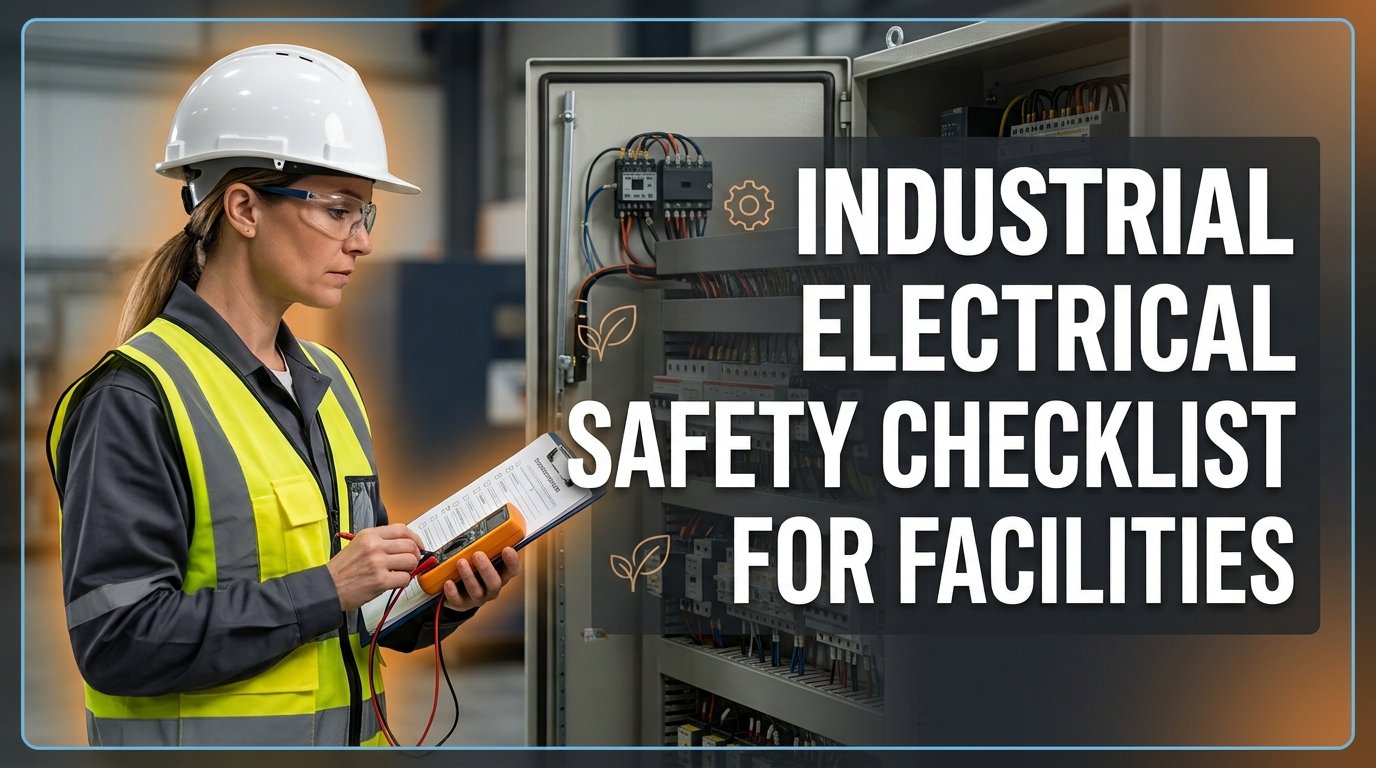
Electrical safety in industry protects workers, equipment, and daily operations. A loose wire can stop a machine, damage controls, or start a fire. A crowded panel can also hide heat, bad labels, and unsafe changes. Warehouses, factories, distribution centers, and industrial buildings need regular checks because their electrical systems work hard. Motors start often, panels carry large loads, and machines run for long hours. Dust, heat, water, and vibration can wear parts faster. This practical checklist explains what facility teams should inspect, which warning signs need quick action, and when a qualified industrial electrician should step in. Even a short outage can delay orders and raise repair costs.
A strong safety plan does more than react after power fails. It checks industrial electrical wiring, panels, controls, machinery connections, and emergency systems before trouble grows. It also uses lockout and tagout during repair work. The right plan should fit the building, equipment, and work schedule. A cold storage site has different risks than a dry warehouse. A production line also needs more control checks than a small storage building. This guide gives useful starting steps, but it does not replace worker training, site procedures, or a full inspection by qualified electrical staff. Managers should also review the plan after any major equipment change.
What Should an Electrical Safety in Industry Checklist Cover?
An electrical safety in industry checklist should follow power through the whole facility. Start with the main service and industrial electrical panels. Then review wiring, controls, machines, outlets, and emergency systems. The checklist should also cover work rules, repair records, and follow-up tests.
Daily walk-throughs can find visible damage before a shift becomes unsafe. Staff should report broken covers, loose cords, blocked panels, odd smells, or buzzing sounds. They should not open live equipment unless they are qualified.
A basic walk-through should check for:
- Cords with cuts, crushed spots, or bare wire
- Plugs that look burned or feel loose
- Water near electrical equipment
- Boxes with missing covers
- Panels blocked by tools or stored goods
- Machines that trip breakers often
- Smoke, heat, buzzing, or burning smells
- Exit signs or emergency lights that do not work
Each issue needs a clear owner and repair date. Someone should also confirm the final test.
How Can You Keep Industrial Electrical Wiring and Panels Safe?
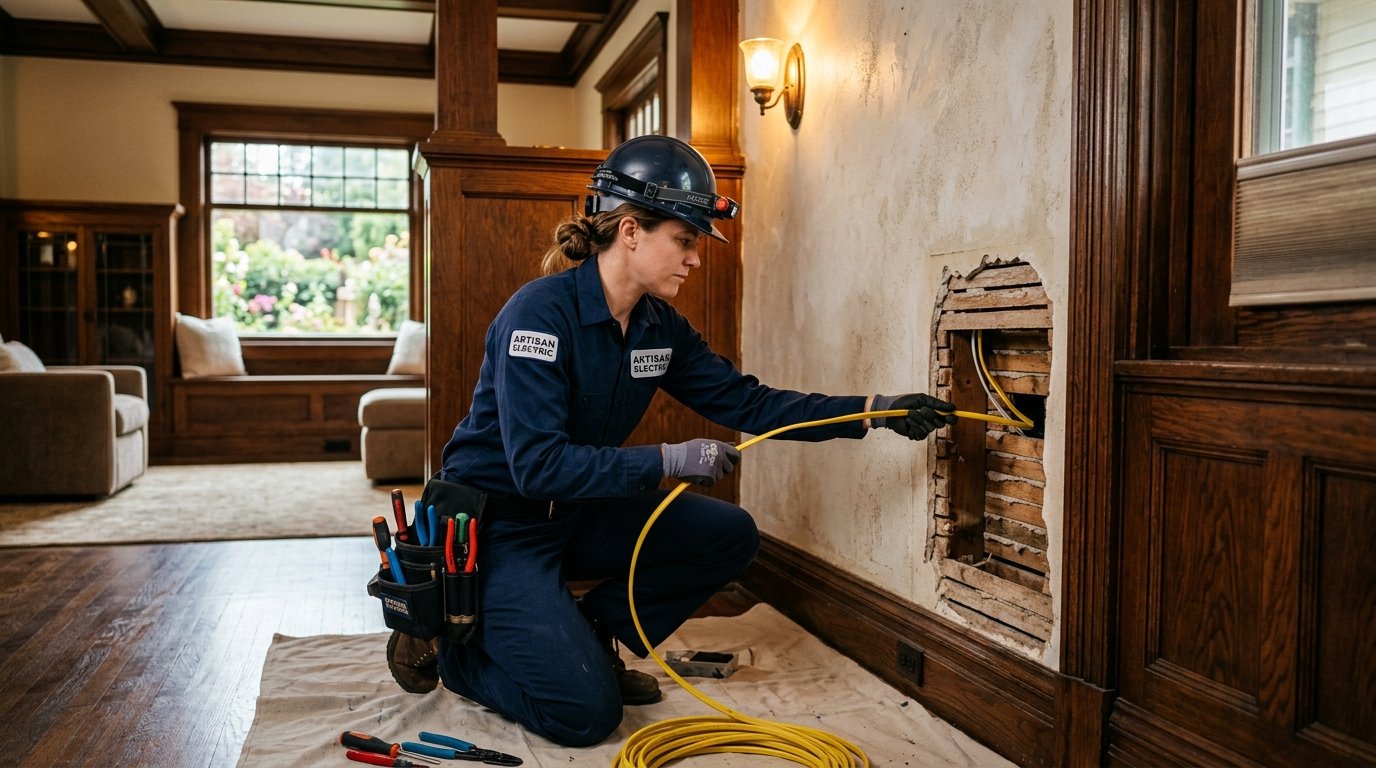
Industrial electrical wiring should remain protected, supported, and matched to its load. Damaged insulation can expose workers to shock. Loose connections can create heat and electrical arcing. Poor wire routes can place cables near sharp edges, moving parts, or wet areas.
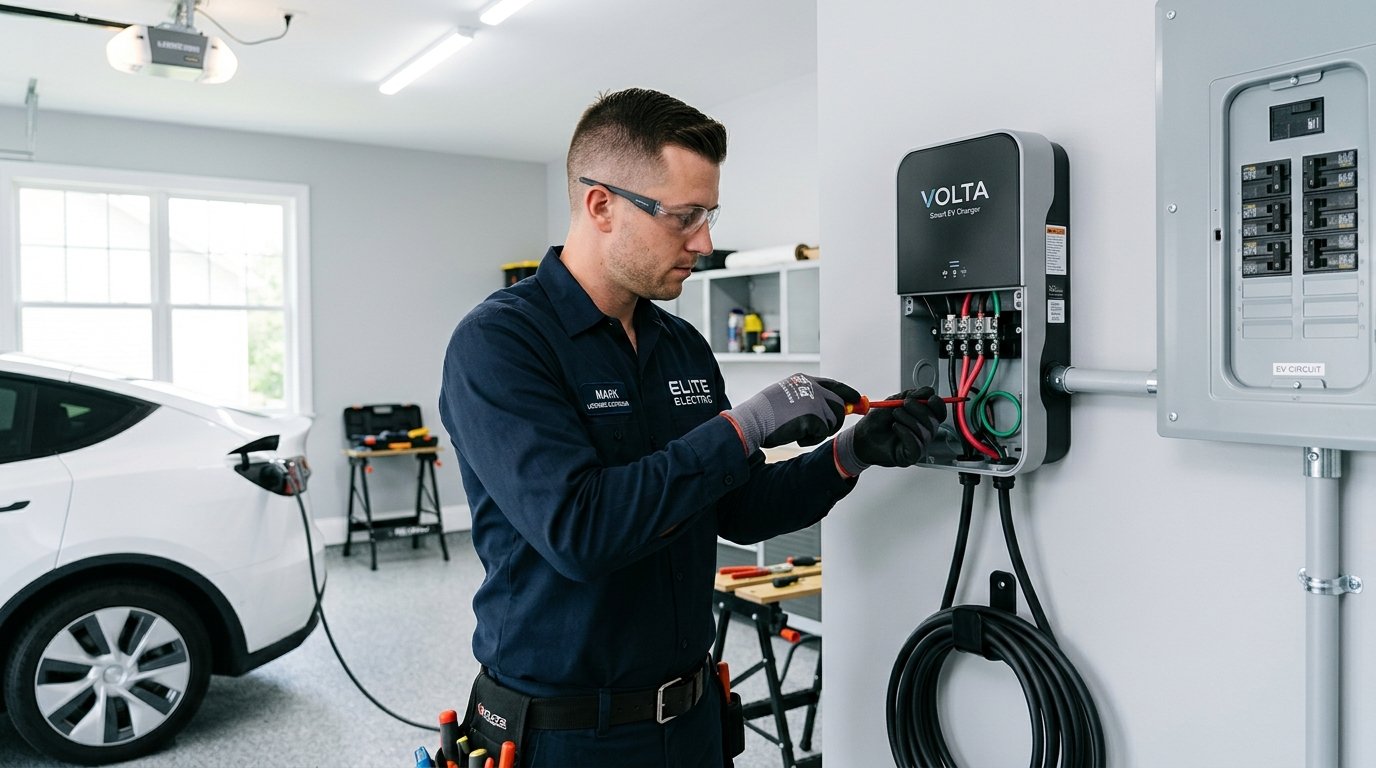
Industrial electrical panels need correct loads, clear labels, and open working space. Breakers protect circuits from overloads and faults. A breaker that keeps tripping is warning you about a problem.
What Wiring Damage Needs Immediate Action?
Bare wire, melted insulation, and burned connections need quick action. Crushed conduit, broken fittings, and water inside boxes also require inspection. The circuit may need to stay off until a qualified worker checks it. Staff should never cover serious cable damage with tape and keep working.
Forklifts, heat, and vibration can slowly harm industrial electrical wiring. Check where cables cross busy paths or enter moving equipment. Flexible cords should not run through doors, walls, or sharp openings. Temporary power should have an end date and a safe fixed replacement.
What Are the Signs of an Overloaded Panel?
Common signs include frequent breaker trips, dimming lights, and warm panel covers. Buzzing, burned marks, melted parts, or strong odors need urgent help. These signs may point to loose parts, overloads, or damaged equipment. Keep workers away from smoke or active sparks.
Review panel capacity whenever new machines are added. Labels should match the equipment each breaker serves. Clear names save time during repairs and emergencies. Storage should never block panel doors or safe access.
How Should Industrial Electrical Controls and Machines Be Checked?
Industrial electrical controls manage motors, sensors, guards, and machine steps. A failed control can cause a sudden stop or unsafe restart. Loose terminals may also create heat inside control cabinets. Planned checks help keep each machine working as designed.
Inspect disconnects, emergency stops, control panels, and machine connections. Review changes made after the machine was installed. Added motors, heaters, or sensors may change the original load.
What Should You Check at Machinery Connections?
Check that cables enter machines through proper fittings. Look for strain, loose connectors, and damage from movement. Flexible connections should not rub against frames or sharp metal. Grounding and bonding points should stay firm and free from corrosion.
Machine disconnects should be easy to find and clearly marked. Emergency stops should work as designed. Guards and safety switches should never be bypassed. Nope, defeating a failed switch is not a safe shortcut.
What Does the NFPA 79 Electrical Standard Cover?
The NFPA 79 electrical standard for industrial machinery covers electrical and electronic equipment used on industrial machines. It addresses machine wiring, controls, disconnects, and protective devices. The standard helps designers, installers, and maintenance teams use a clear safety approach. The machine type and local rules still need review for each job.
NFPA 79 is not the only safety source that may apply. OSHA, Cal/OSHA, electrical codes, and facility procedures may also affect the work. Poor field changes can make a once-safe machine unsafe.
How Should Lockout and Tagout Protect Workers?
Lockout and tagout control dangerous energy during service and repair. The machine must be stopped, isolated, and secured before work begins. Stored electrical, air, hydraulic, thermal, or mechanical energy must also be controlled. Workers then verify that the shutdown worked.
A written process should identify every energy source and isolation point. Authorized workers need training before using it. Shortcuts can place someone inside a machine while another person restores power.
What Steps Should a Lockout Procedure Include?
First, tell affected workers that the machine will shut down. Stop the equipment and isolate every energy source. Apply the required personal locks or approved devices. Release or block stored energy, then verify a safe energy state.
After repairs, check that tools and workers are clear. Restore guards before the machine starts. The proper person should remove each lock under the site procedure. Tell affected workers before power returns.
Review training when equipment or work steps change. Near misses and failed inspections are also reasons to retrain staff. Regular practice can expose wrong labels, missing isolation points, or unclear roles.
Which Emergency Electrical Systems Need Testing?
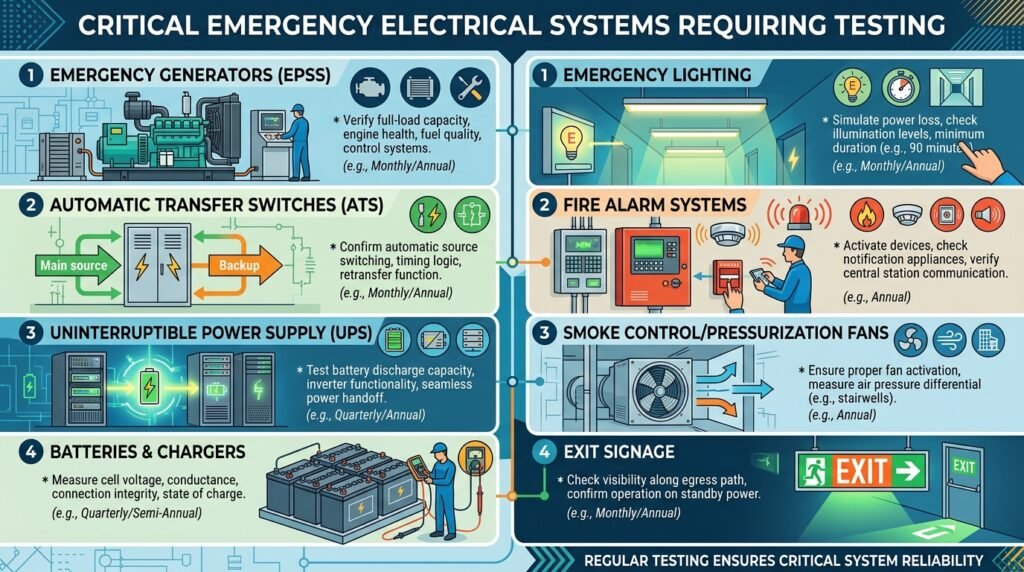
Emergency systems need planned tests because they may sit unused for months. Exit signs, emergency lights, alarms, generators, and transfer equipment must work when normal power fails. A dead battery or failed transfer switch may stay hidden during normal operations. Testing finds those faults before a real emergency.
Keep a test schedule and record the result. Failed items need a repair date and another test. New shelves or machines may block an old exit light.
What Should You Check During an Emergency System Test?
Check that exit signs remain bright, visible, and clear. Emergency lights should turn on when normal power stops. Battery units must hold power for their required period. Walk the full exit route instead of testing one fixture.
Generators and transfer switches also need regular service. Check batteries, alarms, fuel systems, and load operation. Emergency disconnects should stay clear and labeled. Staff should know which loads receive backup power.
How Does Industrial Electrical Maintenance Reduce Risk?
Industrial electrical maintenance finds weak parts before they stop production. It may include cleaning, testing, tightening, and replacing worn equipment. The schedule should reflect heat, dust, moisture, vibration, load, and run time. High-use areas may need more attention than quiet storage zones.
Good maintenance uses planned shutdown windows and clear work orders. Each repair should end with a final test. Records help the team see repeat faults and plan upgrades.
What Should a Preventive Maintenance Plan Include?
List panels, controls, machines, emergency systems, and critical circuits. Give each item an inspection period and responsible person. State what result requires repair or shutdown. A simple checked box is not enough.
Useful records should include:
- Inspection date and exact location
- Equipment name and panel number
- Faults, damage, or test results
- Repair work and parts replaced
- Person completing the work
- Date and result of the final test
Call an industrial electrician for heat, damage, repeated trips, or unsafe machine power. Get a review before adding large equipment or changing panel loads. Fowles Electric serves Redlands and nearby Inland Empire facilities with industrial electrical work, panel upgrades, repairs, troubleshooting, industrial electrical panels and lighting. A site visit can help build a plan around your work schedule.
Frequently Asked Questions
How Often Should an Industrial Electrical System Be Inspected?
The right schedule depends on equipment use and site conditions. Wet, dusty, hot, vibrating, or high-load areas may need more checks. Daily staff walk-throughs can find clear damage. Qualified inspections should follow equipment guidance, facility risk, and safety rules. An industrial electrician can help set a schedule for each machine, panel, control cabinet, and emergency system.
Can Facility Staff Open Electrical Panels During Checks?
Only qualified workers should open panels or work near exposed live parts. General staff can check labels, access, smells, outside heat, and visible damage. They should report anything unusual and keep the area clear. Opening a panel can expose energized parts even when some breakers are off. Site rules should state who may inspect or service the inside.
What Should We Do When a Breaker Keeps Tripping?
Do not keep resetting it without finding the cause. A trip may come from an overload, short circuit, ground fault, or damaged machine. Stop using the affected equipment and record when the trip happens. A qualified electrician should test the circuit, load, breaker, and connected equipment. Installing a larger breaker without checking the wire can create a serious fire risk.
Does NFPA 79 Apply to Every Industrial Building?
NFPA 79 focuses on electrical and electronic equipment used on industrial machinery. It does not replace every workplace, building, or electrical rule. The machine type, location, and work scope decide which standards apply. OSHA, Cal/OSHA, electrical codes, and local rules may also matter. A qualified professional should review all requirements before machine installation or major changes.
Why Is Preventive Electrical Maintenance Worth the Cost?
Preventive maintenance can find heat, worn wiring, loose parts, and weak controls early. Fixing a small fault during planned downtime often costs less than an emergency shutdown. It may also reduce worker risk and equipment damage. Clear records help managers plan repairs, parts, and future upgrades. The value comes from safer work, fewer surprises, and more reliable production.