A kitchen outlet near a sink, a bathroom receptacle beside a vanity, and a plug on a damp garage wall may look like ordinary parts of a home. However, each location presents a different electrical risk when moisture enters the picture. The danger is not always visible, which is why the right outlet protection matters.
GFCI outlet installation adds a layer of protection by detecting certain electrical imbalances and shutting off power quickly. For homeowners in Redlands, California, understanding where this protection belongs, how to test it, and when to replace a faulty device can help prevent avoidable electrical injuries.
What Happens When a GFCI Detects a Ground Fault?
A ground fault occurs when electricity escapes its intended path and travels through an unintended route. Anyone who comes into contact with the electrical current may receive a shock.
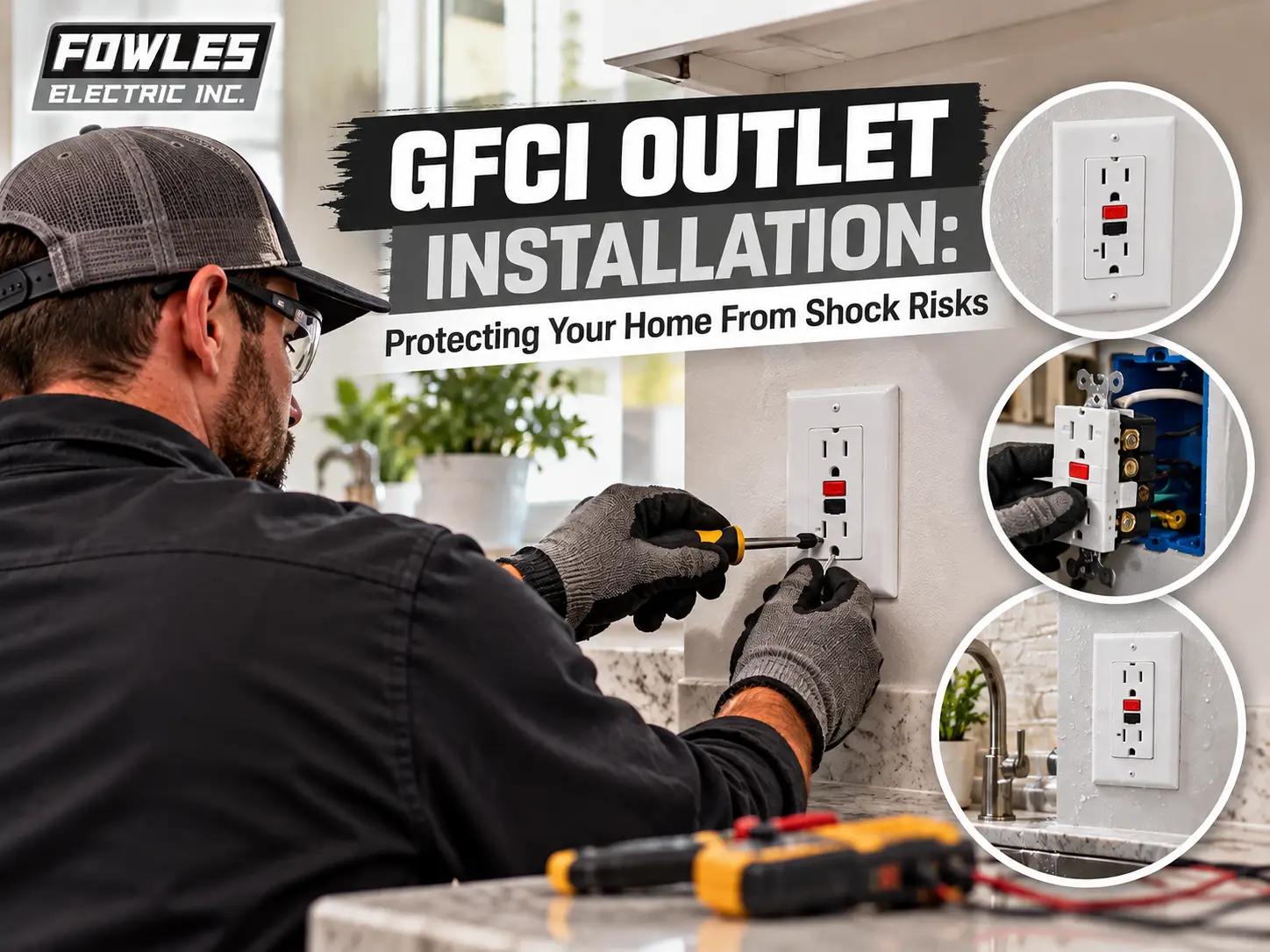
A GFCI (ground fault circuit interrupter) monitors the electrical current leaving a circuit and the current flowing back to detect imbalances. When it detects a difference that reaches its trip threshold, it interrupts the circuit. This response helps reduce the risk of serious shock.
What a GFCI does not do: It does not repair damaged wiring, replace a circuit breaker, or guarantee protection from every electrical hazard. Safe wiring, suitable equipment, and correct installation still matter.
The Places in Your Home That Deserve a Closer Look
The best way to review GFCI protection is to walk through the home and consider how each outlet is used. An outlet exposed to splashes or outdoor weather needs a different level of attention than one in a dry living room.
| Location | Why GFCI protection matters |
| Bathroom | Water near sinks, showers, and bathing areas can increase shock risk |
| Kitchen | Countertop appliances are often used close to sinks and wet hands |
| Garage | Concrete floors, cleaning equipment, and damp conditions create potential hazards |
| Laundry area | Water connections and appliances make electrical safety especially important |
| Exterior walls and patios | Rain, irrigation, and outdoor tools can expose receptacles to moisture |
| Basement or utility area | Dampness, plumbing, and service equipment may create additional risks |
These are common areas to review, not a complete code checklist. Requirements depend on the receptacle’s location, use, circuit, and applicable electrical rules.
Redlands Electrical Rules: What Homeowners Should Know
California’s updated 2025 Building Standards Code became effective on January 1, 2026. It includes the California Electrical Code, based on the 2023 National Electrical Code with state amendments. That is the current statewide code edition as of October 2026.
Electrical requirements should be considered early in renovation projects, particularly when adding outlets, upgrading kitchens or bathrooms, or modernizing older wiring. Existing installations do not all have identical upgrade requirements, so homeowners should avoid assuming that every older receptacle must automatically be replaced.
A qualified electrician can check which GFCI outlet requirements apply to the planned work and whether the existing circuit needs attention beyond changing the receptacle.
Three Signs Your Current Outlet Protection Needs Attention
An outlet can look perfectly normal while failing to provide the protection it was designed for. A few simple observations can help you recognize when professional testing is needed.
- The TEST button does not trip the device. The issue could stem from a defective GFCI or incorrect wiring during installation.
- The outlet repeatedly loses power. Moisture, a connected appliance, damaged wiring, or a failing device may be responsible.
- The receptacle shows physical damage. Cracks, discoloration, unusual warmth, or a burning smell should never be ignored.
If a GFCI keeps tripping, stop resetting it and have the issue checked. If you notice smoke, active sparking, or a burning odor, stay clear and seek urgent professional assistance.
A Simple Monthly GFCI Check
The U.S. Consumer Product Safety Commission recommends testing GFCIs at least once a month, after installation, and after a power failure. Always refer to the device’s manual for the correct setup and use.
- Plug in a small lamp and switch it on, provided the outlet and surrounding area are safe to use.
- Press the outlet’s TEST button. The lamp should switch off as the GFCI trips.
- Press RESET. Power should return to the outlet.
- If the device fails to operate correctly, have a qualified electrician inspect it before using it for electrical protection.
| Important Tip: This check does not require opening the receptacle or touching wiring. If the outlet is damaged or wet, do not perform the test; arrange a professional assessment instead. |
When an Outlet Problem Is More Than a GFCI Issue
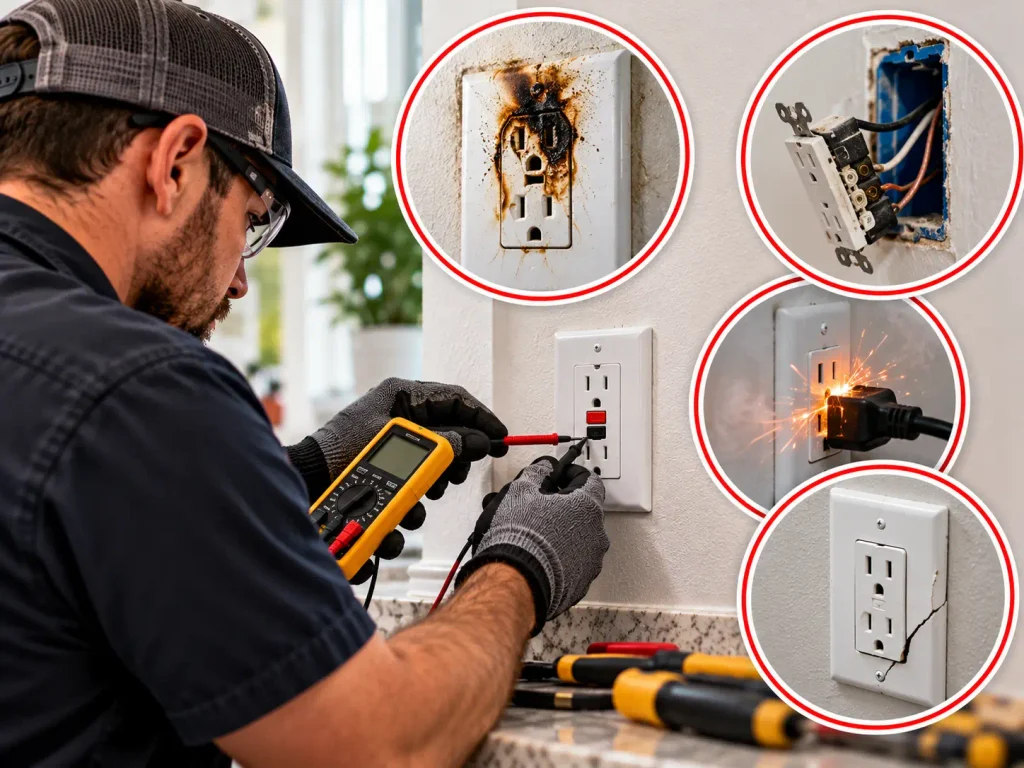
A dead receptacle may be connected to a tripped GFCI elsewhere in the home, a circuit breaker, or a wiring fault. Some GFCI receptacles protect other outlets connected downstream, so the affected plug may not be the source of the problem.
If you are investigating outlet troubleshooting, note which outlets have stopped working and whether the problem began after using a particular appliance. This information can help an electrician narrow down the cause without guesswork.
Fowles Electric Inc can assess whether the issue involves the GFCI itself, the branch circuit, or another part of the electrical system.
Plan Outlet Upgrades Around How You Use Each Room
Electrical improvements should account for both safety and everyday convenience. A kitchen renovation may call for better-protected countertop outlets, while a garage upgrade might require attention to outdoor receptacles and the equipment used there.
A media-room project offers another example. Planning TV power placement before mounting a television can help avoid trailing extension cords and awkward outlet locations. Before installation, verify that the circuit can handle the load and that the area has the required electrical protection.
Rather than replacing outlets at random, review the areas where moisture, appliance use, and household activity overlap. That approach helps prioritize upgrades based on actual needs.
Frequently Asked Questions
Will a GFCI Outlet Work Without Grounding?
GFCI protection can sometimes be installed on an ungrounded circuit, but it does not create an equipment ground. Required labeling and installation conditions apply, so have the circuit checked before making changes.
Why does my GFCI keep tripping?
Possible causes include moisture, a faulty appliance, damaged wiring, or a defective device. Repeated trips need investigation rather than repeated resets.
Should older homes have GFCI outlets installed?
Older homes may have receptacles that lack protection required for comparable new work. An electrician can review the installation and explain which upgrades are appropriate under current rules.
Final Thoughts: Make Outlet Safety a Regular Priority
GFCI protection is a small part of a home’s electrical system, but its role is important wherever moisture and electricity may come into contact. Correct installation, monthly testing, and timely attention to warning signs all help maintain that protection.
Fowles Electric Inc can help homeowners evaluate outlet concerns and provide suitable electrical improvements. A careful review today can help you address hidden problems before they become a larger safety concern.