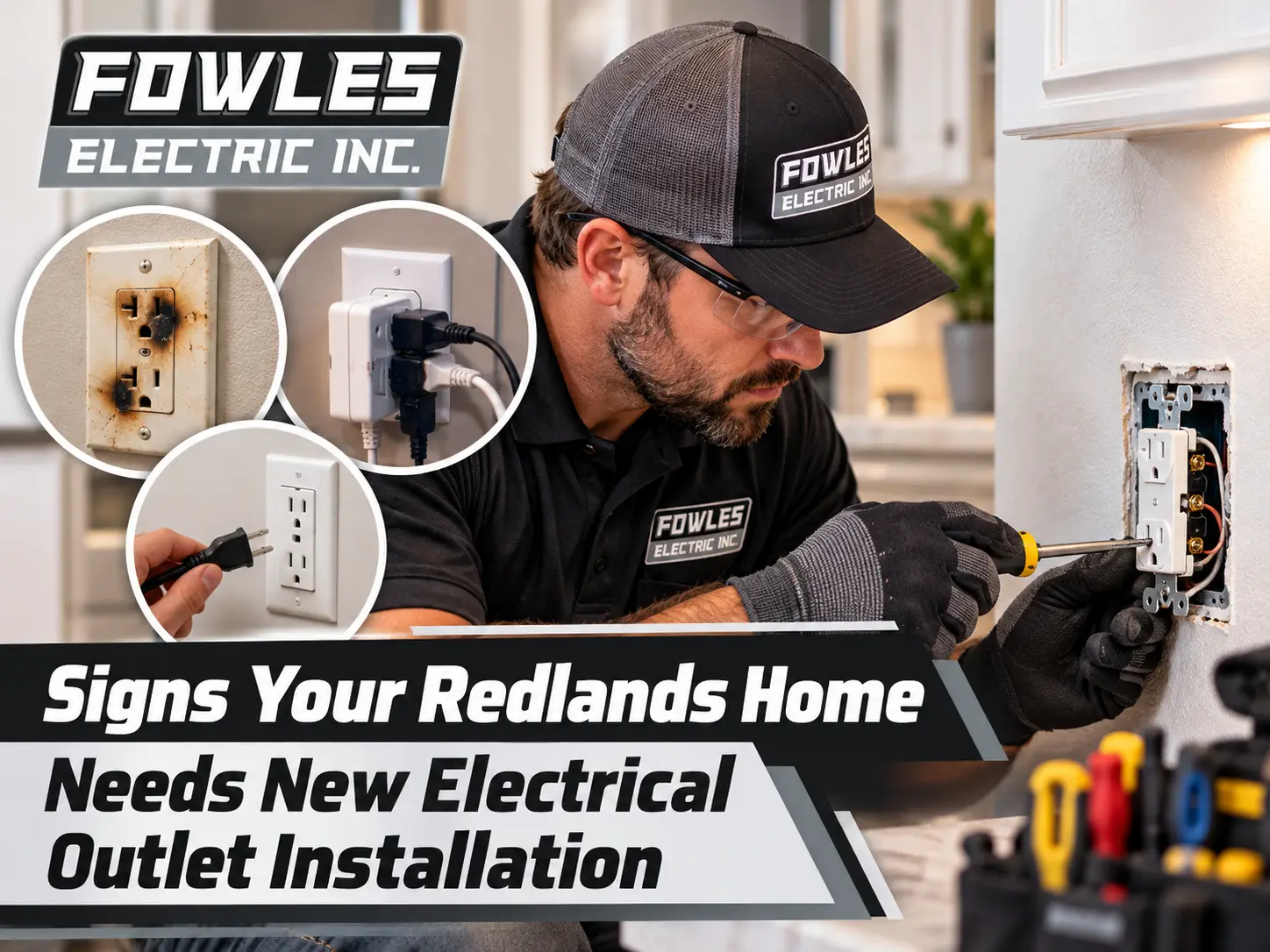
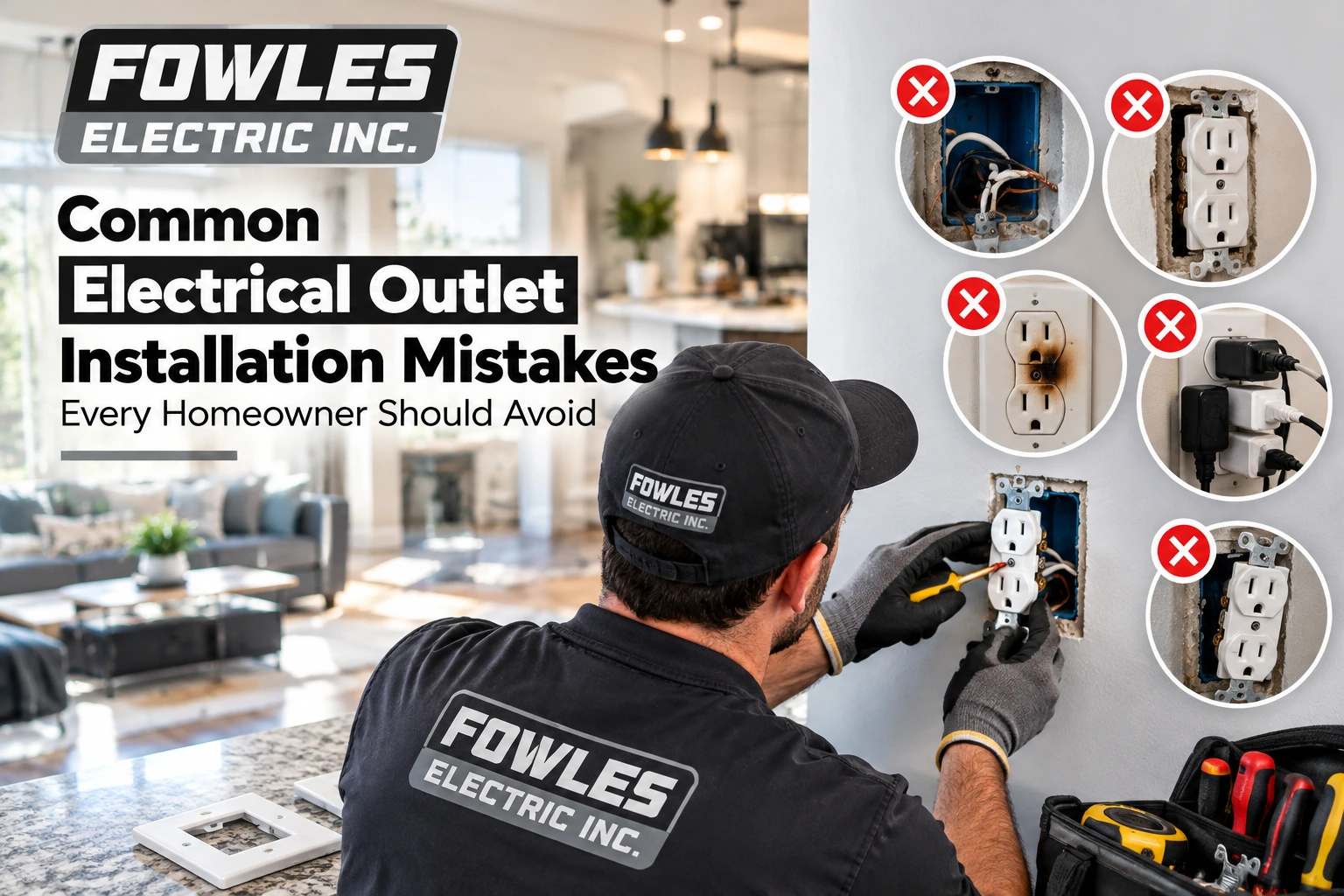
A small mistake in installing an electrical outlet can be a serious safety hazard. Electrical shocks, damaged appliances, or fires can result from loose connections, improper wiring, improper grounding, and the type of outlet used. Even an outlet that appears to work normally may have a hidden wiring problem.
For homeowners in Redlands, California, understanding these electrical outlet installation mistakes can help prevent expensive repairs and protect the household. Aging properties often contain obsolete wiring, while recent remodels can create issues if outlets are installed without first evaluating the current electrical system. By knowing the warning signs that are important, you will be able to tell if electrical work is needed.
1. Choosing the Wrong Outlet for the Location
Not all electrical outlets are appropriate for all situations. A standard outlet in a location that calls for ground-fault circuit interrupter (GFCI) protection could be a hazard for electric shock. The wrong-rated outlet can also cause compatibility and safety issues.
Before selecting an outlet, consider these factors:
- GFCI protection: Required in many locations where water or moisture increases shock risk, including applicable kitchen, bathroom, garage, and outdoor receptacles.
- AFCI protection: Arc-fault circuit interrupter protection is required for many residential circuits under applicable code provisions.
- Amperage and voltage: The outlet must be compatible with the circuit and intended equipment.
- Tamper resistance: Required for many receptacles in dwelling units to help protect children from inserting objects into outlet openings.
California has adapted and amended the National Electrical Code (NEC) as the standard for these installations. The specific rules vary by building, circuit, and location.
2. Ignoring Power Before Electrical Work
One of the most dangerous DIY outlet installation mistakes is assuming the power is off because a wall switch has been turned off or a breaker label says the circuit is disconnected. Circuit breakers may be mislabeled, connected to a shared circuit, or an electrical connection may occur unexpectedly, leaving wires live. Being touched by a live conductor will result in serious injury or death.
Never rely on a switch or label alone. Proper isolation and verification must be done using suitable test equipment for electrical work. A non-contact voltage detector can be a good screening tool but must not be used as the sole means of determining that wiring is safe to work with.
If you are not sure of the circuit and can’t verify it, stop and call a licensed electrician. Never touch exposed wires or disconnect an outlet when you don’t know what the electrical condition is.
3. Making Loose or Incorrect Wire Connections
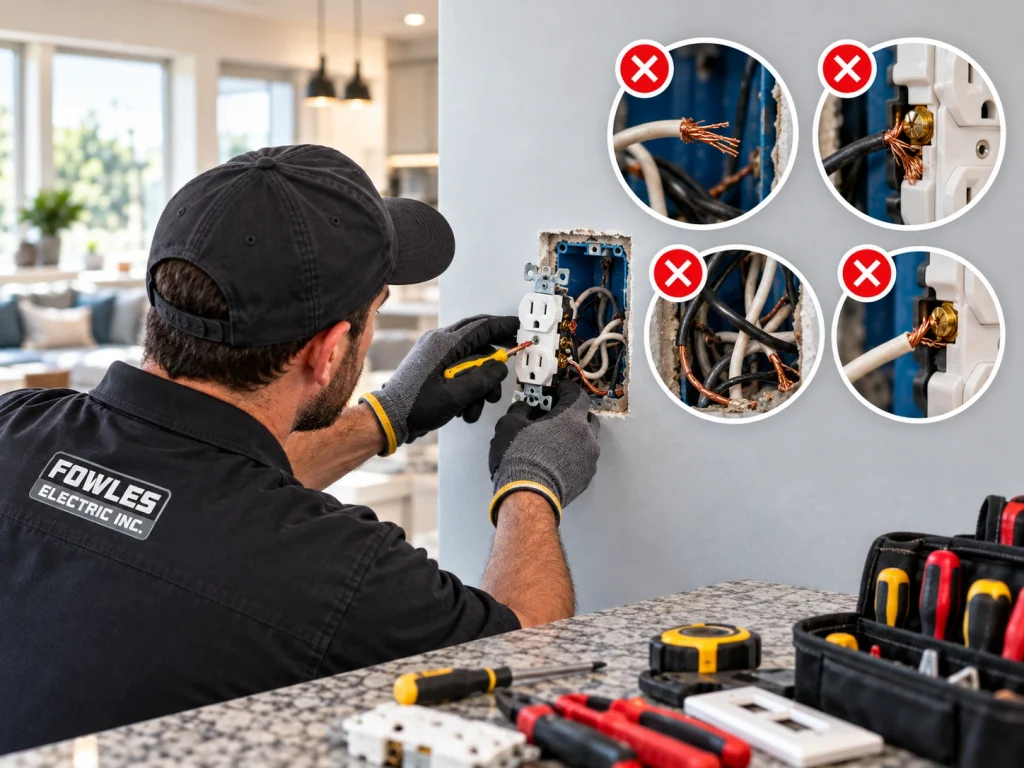
A frequent problem with outlets is loose electrical connections. A loose conductor may cause resistance and heat, which can cause damage to the receptacle or surrounding material. The incorrect placement can also lead to short circuits and make the outlet unsafe.
Common outlet wiring errors include:
- Reversed polarity: Hot and neutral connections are reversed, creating an unsafe condition even if a device still operates.
- Loose terminals: Wires are not secured according to the receptacle manufacturer’s instructions.
- Exposed copper: Too much bare conductor extends beyond the intended terminal area.
- Improper connections: Wires are attached to terminals not designed for that conductor or installation method.
The wiring is dependent upon the receptacle type, conductor type, and manufacturer’s instructions. Remember that match-up of wire colors is not enough to guarantee a safe installation. A qualified electrician can do a check on the connections and test the finished outlet.
4. Skipping Proper Grounding
The grounding system provides a path for fault current to help protective devices operate under certain fault conditions. If the ground wire is missing or if it is not connected properly, that protection may be ineffective and can lead to electric shock.
This is especially important in older Redlands homes where the existing wiring might not have an equipment grounding conductor at every outlet. A two-slot receptacle cannot be upgraded to a three-slot outlet to provide a grounded connection.
If an outlet is not grounded, then a licensed electrician can take a look at the wiring and suggest a safe and appropriate solution. Depending on the situation and the code, GFCI protection may be a possibility and will be labelled accordingly. But the installation of GFCI protection does not create an equipment grounding path.
5. Overloading the Circuit or Using the Wrong Rating
The looks of an outlet cannot inform you about how much electrical load a circuit can handle. If supplies are inadequate, a circuit can overload when too many high-demand appliances are plugged into it, resulting in the circuit breaking or overheating.
All factors of an electric circuit’s capacity, conductor size, circuit breaker rating, and anticipated appliance load should be taken into account by an electrician before the installation of outlets. A higher-rated receptacle should never be installed simply to accommodate a larger plug if the circuit is not designed for that use.
If the outlet keeps tripping, the outlet cover is hot, outlets make buzzing noises, or the outlet smells hot, something is wrong. Immediately unplug from an affected socket and contact a professional. If you notice smoke and/or active sparking, stay out and call emergency services as necessary.
6. Installing the Outlet Poorly in the Electrical Box
Even correctly selected and wired receptacles can become unsafe when they are mounted incorrectly. A loose device, electrical box damage, overcrowding, or a poorly fitted faceplate can lead to component exposure or strain on connections.
Watch for these installation problems:
- The outlet moves when a plug is inserted or removed.
- The faceplate does not sit securely against the wall.
- Wires are crowded, pinched, or under strain inside the box.
- The receptacle or cover shows cracks, discoloration, or heat damage.
The electrical box must be suitable for the installation, and its available space must meet applicable box-fill requirements. Proper mounting also helps to avoid repeated movement, which can cause connections to fall out over time.
7. Ignoring Outlet Placement and Local Code Requirements
Placing electrical outlets in the wrong location can render a room less convenient and can also pose problems for code compliance. The position and protection of outlets should be given special consideration in kitchens, bathrooms, outdoor areas and/or other regulated areas.
For example, Redlands’ published kitchen renovation guidance specifies that kitchen countertop receptacles need GFCI protection and addresses spacing and placement requirements. That guidance is useful context, but it dates from 2020; current requirements should be checked before renovation work begins.
The 2025 California Building Standards Code took effect on January 1, 2026, while the Redlands Building & Safety Division manages relevant electrical permits and inspections. Homeowners should confirm whether a project requires a permit rather than assuming that every outlet replacement or addition follows the same rules.
8. Skipping Final Testing and Inspection
Not all outlets are correctly wired if they are connected to a lamp. Proper testing is essential to detect incorrect polarity, grounding, and missing necessary protection.
Once installed, it is important for a qualified professional to verify that the wiring, ground, outlet function, and necessary GFCI or AFCI protection are in accordance with the manufacturer’s requirements. Permit inspections should also be conducted if necessary.
Fowles Electric Inc can help homeowners identify outlet installation problems and address electrical safety concerns. If an outlet sparks, feels unusually warm, produces a burning odor, or repeatedly loses power, stop using it until the issue has been assessed.
Frequently Asked Questions
What is the most dangerous electrical outlet installation mistake?
It is particularly dangerous to work on energized wiring. The use of the wrong connection, lack of grounding, and improper protective equipment can also pose a significant shock or fire risk.
Can a three-prong outlet be installed without a ground wire?
The three-slot receptacle must be grounded, but it does not ensure grounding. A few substitution arrangements might be acceptable (with GFCI protection and appropriate labelling) but should be determined by a qualified electrician.
Why does a newly installed outlet keep tripping the breaker?
A possible cause may be overloaded circuits, short circuits, ground fault, or faulty equipment. Never repeatedly reset the circuit breaker without determining the cause.
When should I call a licensed electrician?
If wiring is damaged, the outlet is not grounded, the breakers trip frequently, or if there are any odors of heat, sparks, or buzzing, call a professional. Do not use an outlet until it has been tested.
Final Thoughts: Make Outlet Safety a Priority
The installation of electrical outlets involves more than just wiring and attaching a faceplate. A safe electrical system is achieved by having the right electrical outlet, a well-connected electrical system, correct grounding, the right circuit protection, and the correct placement of electrical outlets.
For homeowners in Redlands, addressing warning signs early can help prevent larger electrical problems. Fowles Electric Inc can assist with outlet concerns and professional electrical work, helping homeowners make informed decisions about safety, repairs, and new installations.